
In Latin America, December doesn’t begin under a decorated tree or with last-minute shopping. It opens when cities take on a different rhythm, marked by gatherings, preparations, and rituals unique to this season. These moments combine history, community participation, and practices passed down through generations, offering a distinctive way to explore the region during the Christmas season.
Día de las Velitas: the night that opens the season
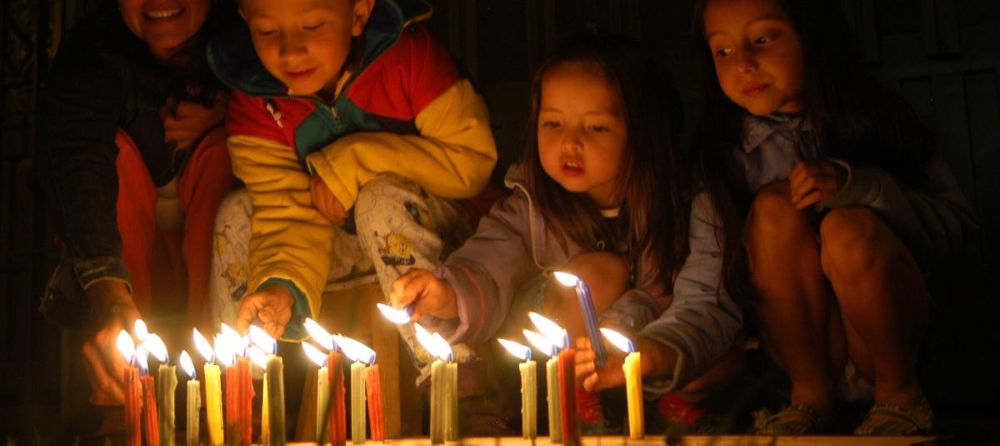
Every December 7, Christmas officially begins in Colombia. Initially associated with the celebration of the Immaculate Conception, Día de las Velitas has become a family and community tradition. Lighting candles and lanterns symbolizes gratitude, wishes for the year ahead, and the desire to illuminate homes and neighborhoods in celebration of the holidays.
Villa de Leyva is one of the most emblematic places to experience this celebration, thanks to its luminous festival that has become a national reference. But this night is celebrated across the country, from large urban centers to small towns.
The novenas: nine days that bring generations together
Novenas, celebrated from December 16 to 24, are among the most deeply rooted traditions in Colombia and Ecuador. Their origin dates back to the 18th century, when priest Fernando de Jesús Larrea from Quito wrote a text to accompany nine nights of preparation before Christmas. In the early 20th century, nun Bertilda Samper modernized its content and added the gozos, hymns that still accompany these gatherings.
These meetings take place around the nativity scene, where family, neighbors, or colleagues read the daily reflection, sing, and share seasonal specialties. In Colombia, buñuelos, natilla, tamales, and hot chocolate are indispensable; in Ecuador, pristiños, sweet breads, and canelazo mark these moments.
Las Posadas: a collective journey in Mexico

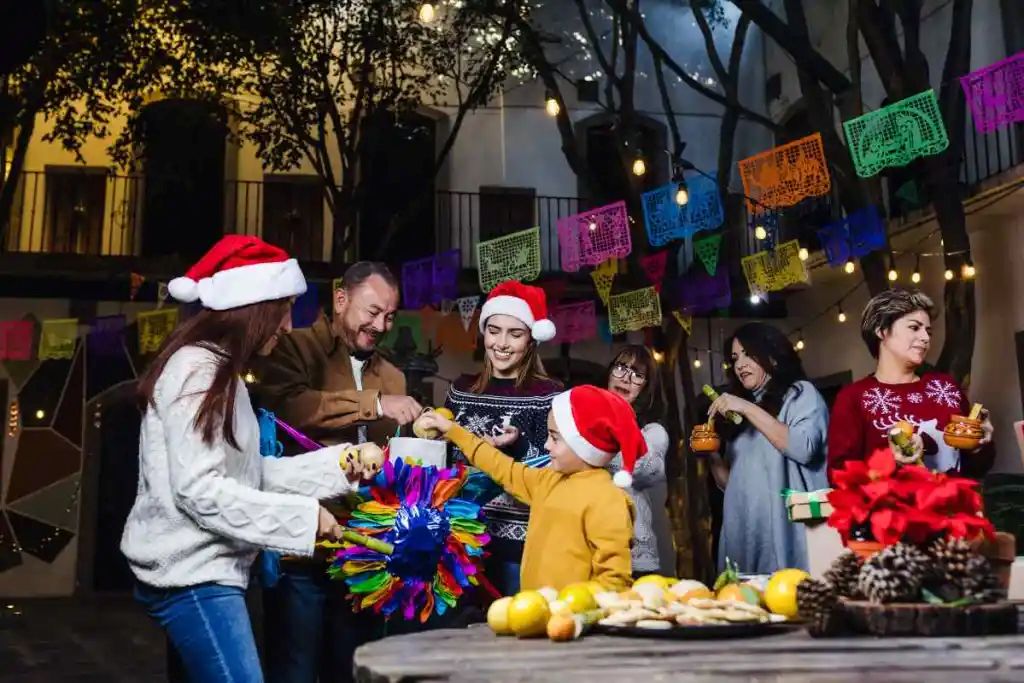
In Mexico, posadas, celebrated in the days leading up to Christmas, recreate Mary and Joseph’s search for lodging before the birth of Jesus. Their origin dates back to the 16th century, when the misas de aguinaldo, encouraged by the Augustinian friars, began to be accompanied by processions and street songs. Over time, the tradition moved into homes while keeping its participatory character.
One group represents the pilgrims, participants chant litanies requesting “posada,” and the gathering concludes with prayers, songs, and a community moment often accompanied by a piñata, snacks, and typical dishes such as tamales or atole.
Santurantikuy in Peru: a unique annual fair
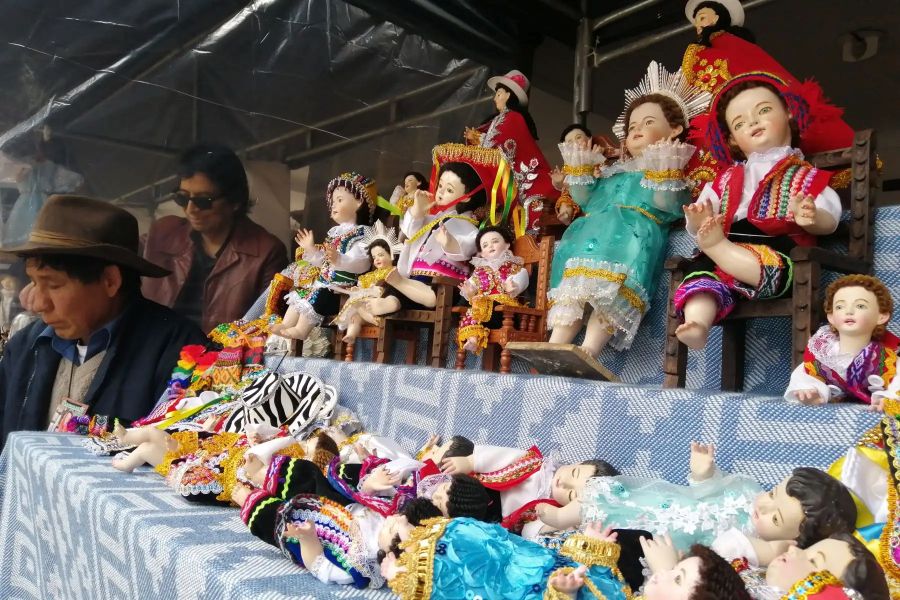
In Cusco, the days leading up to Christmas are marked by Santurantikuy, a craft fair held every December 24 on the Plaza de Armas since colonial times. Its name, Quechua for “sale of saints,” refers to its original purpose: providing figurines for domestic nativity scenes. Over time, the event has become one of the most important Christmas markets in the Andes, bringing together artisans from multiple regions who offer wooden sculptures, ceramic pieces, silver objects, and representations of Niño Manuelito, a central figure in Cusco tradition.
Whether it’s a family nativity scene, a candle-lit courtyard, or a table where traditional recipes are shared, these moments reflect what December represents in the region: a month of sharing, transmission, and celebration.
Photos: Abel Cárdenas | Marcos Castillo | Percy Hurtado Santillán