In La Paz and El Alto, where street food stalls shape the rhythm of everyday urban life, popular gastronomy is entering a new phase. Bolivia has officially launched SUMAQ, the country’s first tourism circuit dedicated to urban street food. The initiative aims to structure, certify, and make visible an offer that was long informal, now conceived as a fully fledged tourism product.
Led by cultural and tourism authorities, the project marks an important step in recognizing popular cuisine as a driver of identity and local development. What was once a spontaneous experience has now become an organized, identifiable offer that can be integrated into tourism itineraries.
Professionalizing a tradition rooted in the city
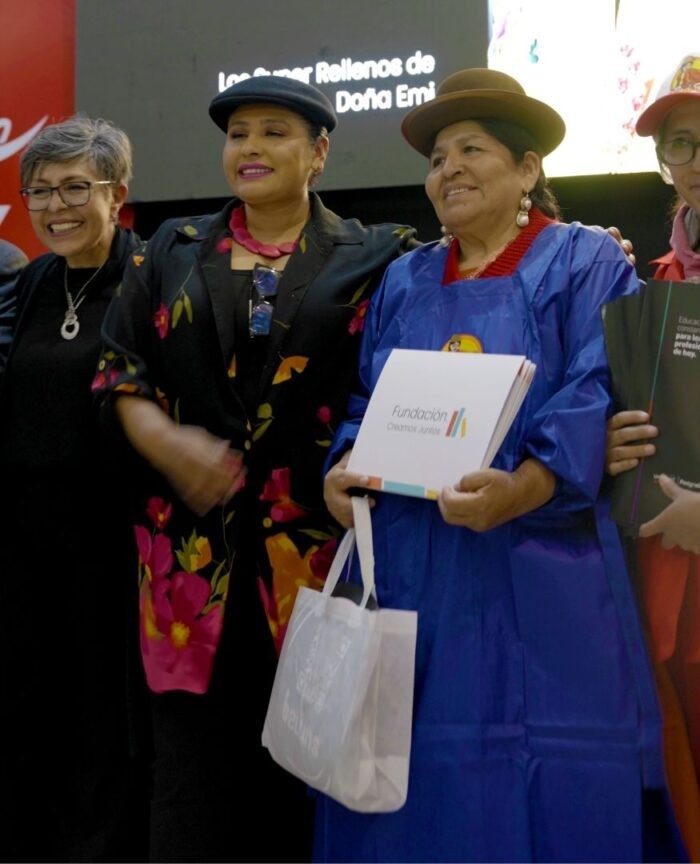
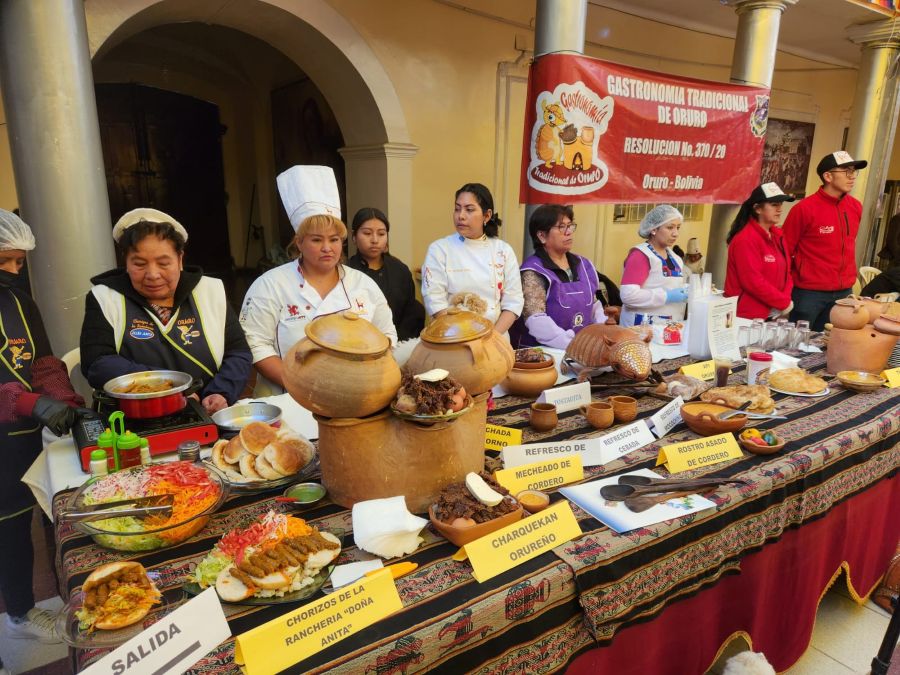
SUMAQ—meaning “delicious” in Quechua—was designed to strengthen the role of the cooks who provide daily meals in public spaces. The program relied on a technical and academic process carried out over several months, combining training, evaluations, and direct support at the stalls.
More than 220 participants were trained in hygiene standards, food handling, and customer service. In parallel, 64 stalls received technical visits aimed at improving practices, and 105 cooks obtained certification with the support of university institutions. At the end of the process, 25 stalls met all required criteria and were officially incorporated into the circuit.
The “caseritas,” mediators of urban culture
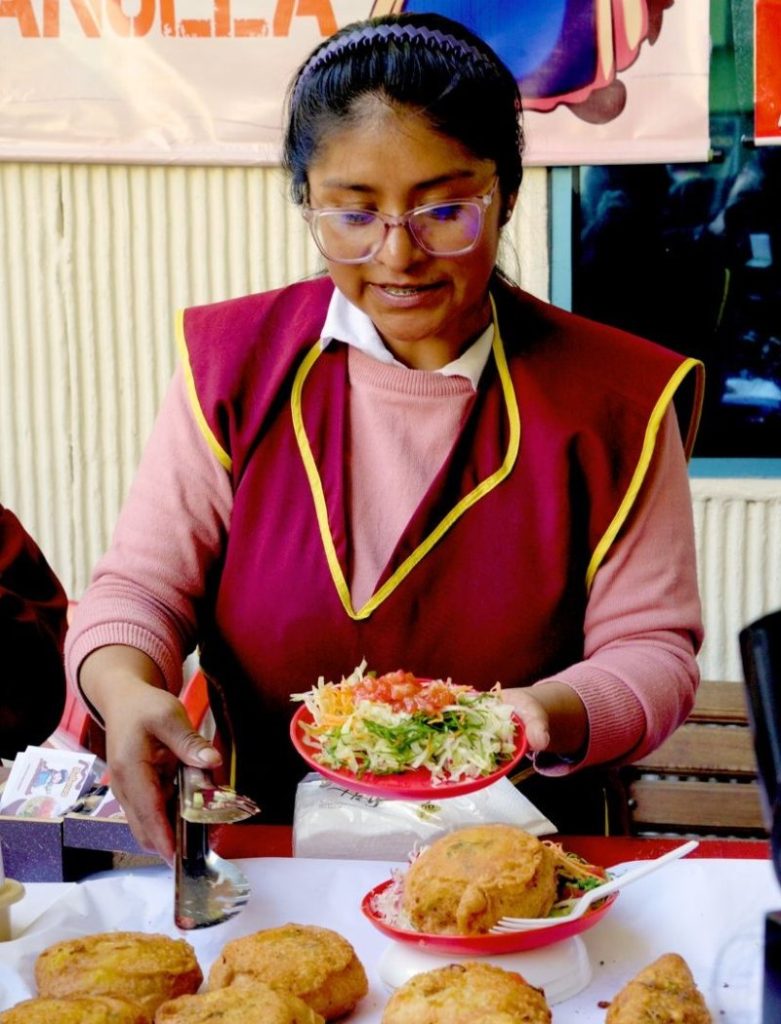
The SUMAQ circuit unfolds across seven routes—four in La Paz and three in El Alto. Each stop highlights a caserita, a central figure of popular cuisine and the holder of knowledge passed down or refined over the years.
Through the Crecemos Juntos platform, visitors can access detailed information: dish descriptions, stall locations, opening hours, and profiles of the cooks. The experience thus goes beyond tasting to offer a broader reading of the city, through the stories and trajectories of those who keep this cuisine alive every day.
A tourism model with multiple impacts
SUMAQ is based on a triple-impact approach: improving food quality in public spaces, strengthening economic opportunities for women—who make up the majority of street food vendors—and preserving a cuisine that expresses memory, identity, and territorial roots.
For tourism professionals, the circuit represents an operational product, with clearly defined routes and verified information. It also responds to growing demand for experiences rooted in local life, accessible and contextualized.
By structuring street food without erasing its identity, SUMAQ offers a new perspective on La Paz and El Alto. Popular gastronomy is no longer seen as merely an informal phenomenon, but as a key to understanding neighborhoods, traditions, and urban social dynamics—illustrating how tourism can engage with local practices without diluting them.
Photos: Viceministerio de Culturas y Folklore | Conoce Bolivia