

Traveling today is no longer just about arriving at a destination and ticking off stops on an itinerary. Travelers are looking for experiences capable of turning a journey into a lasting memory. In Latin America, this shift takes on a particular dimension, as territories, cultures and know-how invite a direct relationship with the place and with those who inhabit it. It is in this context that experiential tourism is gradually establishing itself as another way of traveling. Far from standardized routes and passive visits, it offers journeys in which the traveler is no longer a mere spectator, but an active participant in what they discover.
What experiential tourism encompasses
It is not about adding activities to an already packed program, but about thinking of travel as a time for involvement and learning. Participating, understanding, experiencing: meaning takes precedence over the accumulation of places visited. As expectations evolve toward greater personalization, nature and coherence, these experiences are becoming a pillar of contemporary tourism offerings in their own right.
Our article: Travel Trends 2026: Meaningful Experiences in Latin America
This dynamic is now recognized by the industry itself: in 2026, FITUR launched FITUR Experience for the first time, a space entirely dedicated to experiential tourism, a sign that these practices are moving from the margins to the heart of industry discussions.
Exploring the territory, rather than skimming over it
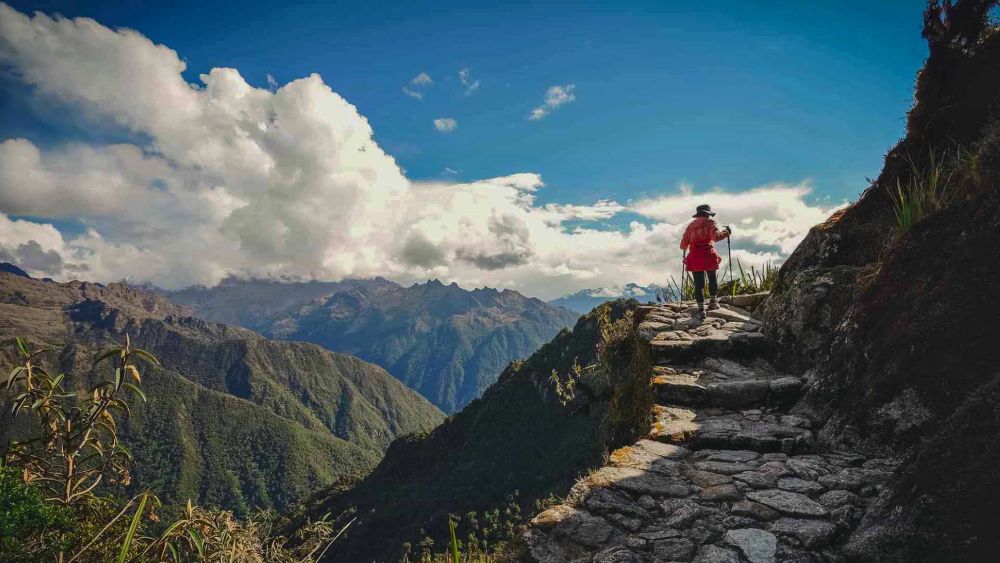
A direct connection with nature is one of the foundations of this approach in Latin America. In Peru, routes leading to Machu Picchu via the Inca Trail or Salkantay make the journey itself the central element of the trip. Walking along ancient Andean paths, crossing high-altitude forests and discovering secondary archaeological sites allows travelers to understand the territory as a continuum, far beyond the final site.
In Bolivia, multi-day crossings of the Salar de Uyuni and the southern Altiplano radically transform the experience. Nights in salt lodges, volcanic landscapes, high-altitude lagoons and isolated villages create an itinerary where immersion takes precedence over speed.
From monument to cultural experience
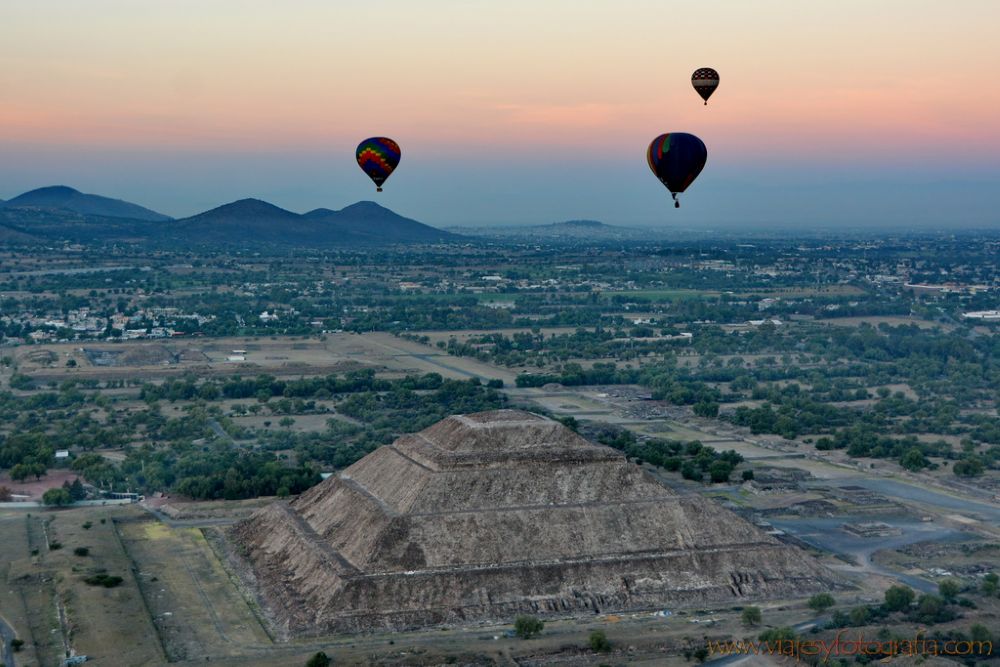
This logic also extends to the way heritage is approached. Flying over Teotihuacán in a hot-air balloon in Mexico offers a different reading of this major site: urban geometry, ceremonial orientation and the link with the valley appear as a whole, complementing the ground-level visit.
On another scale, around Lake Atitlán in Guatemala, community-based initiatives allow visitors to discover practices that are still alive: textile workshops, traditional agriculture and the oral transmission of Mayan knowledge. Here, heritage is discovered through exchange and participation, not simple observation.
When cuisine becomes a field of experience
Gastronomy naturally fits into this approach. In northern Brazil, in Belém or Manaus, culinary routes are organized around markets and guided tastings, offering a direct insight into Amazonian products — açaí, tucupi, river fish — and their place in everyday life.
In Argentina, the Mendoza region has transformed the wine experience: taking part in the harvest, interacting with producers and understanding agricultural cycles. Wine thus becomes a lens through which to read history, landscape and local culture.
Our article: “Manso Destino”: Mendoza Banks on Identity to Win Over the World
Toward deeper itineraries
Developing experiences requires rethinking the very design of travel: pace, duration, choice of encounters and depth of proposals. In Latin America, this is particularly fertile ground. While some experiences are already well established, many avenues remain to be explored to transform travel into a lasting memory, built over time and through exchange.
Ultimately, experiential tourism in Latin America is not based on an imported or theoretical concept. It draws on practices, knowledge and territories that existed long before the term became widespread. Walking, cooking, crossing, learning: simple gestures that restore the human dimension of travel.
It is less the destinations that are changing than the way they are explored, and in this evolution, Latin America offers a particularly rich field of expression to imagine journeys that leave a mark long after the return.
Photos: Avim Wu | Viajes y Fotografía