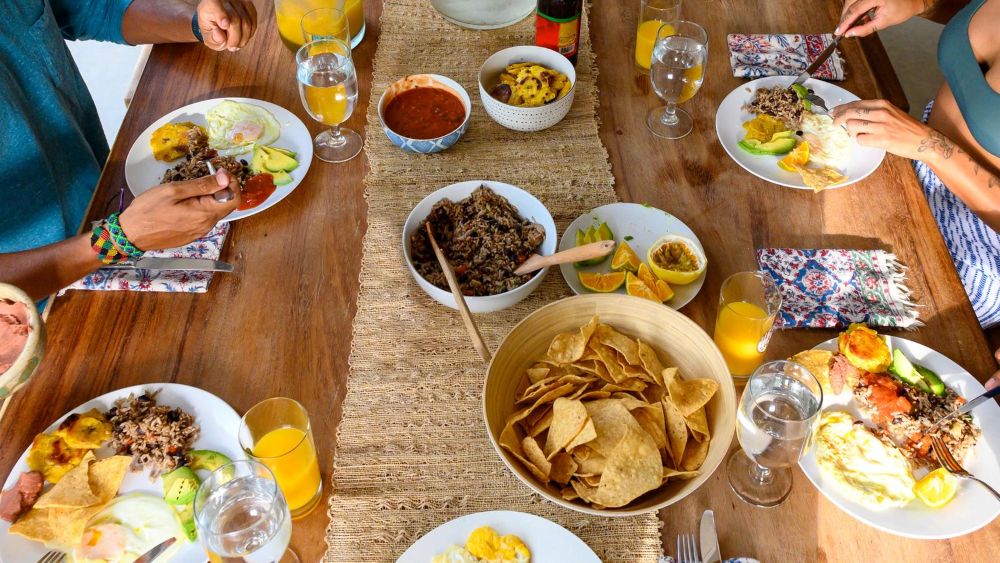
Costa Rican cuisine has its roots in the home, shaped by rural and Caribbean kitchens alike. Passed down through generations, it remains part of everyday life and today offers a way to better understand the country’s cultural diversity through local ingredients, traditional techniques, and recipes that are still widely prepared across the territory.
Here are five dishes that form this culinary portrait and deserve a place on every traveler’s list.
Gallo pinto
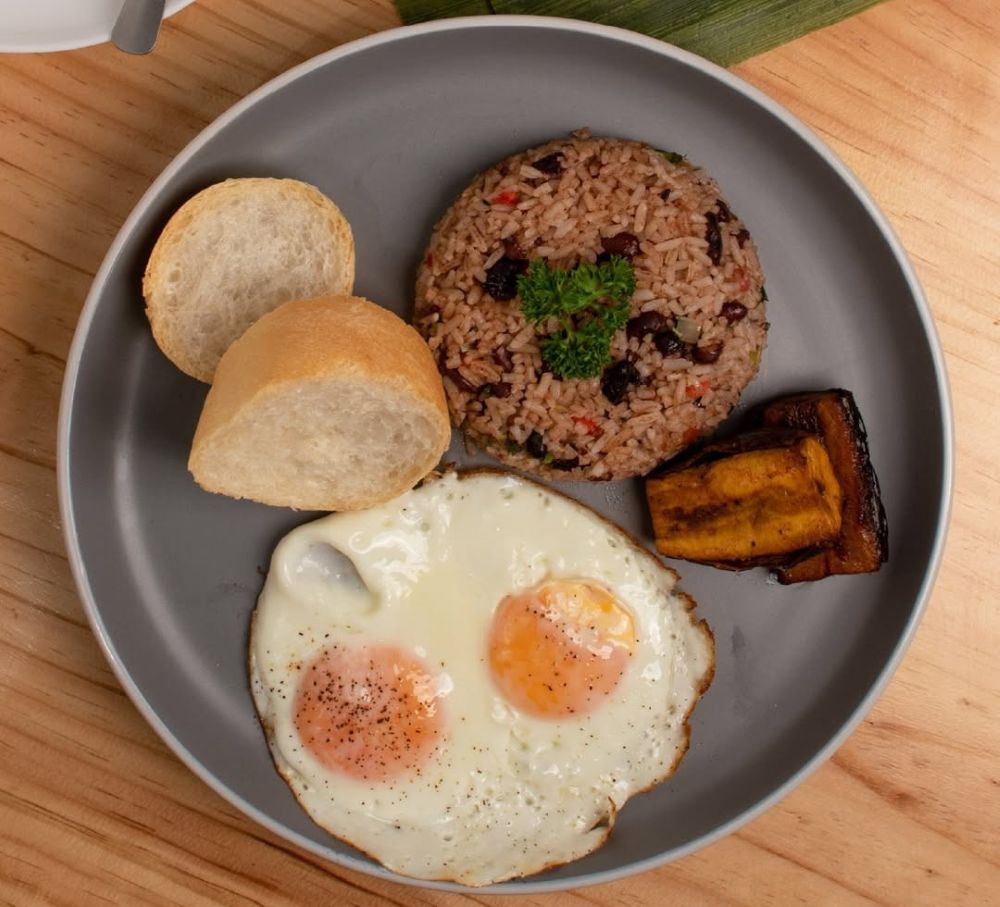
It is impossible to start the day without it. Gallo pinto, a mix of rice and beans, is Costa Rica’s breakfast staple. Onion, bell pepper, coriander, and above all a touch of Salsa Lizano—a mild, slightly tangy sauce—give it its instantly recognizable flavor.
Served with eggs, fresh cream, and fried ripe plantains, it accompanies the early morning across the country. On the Caribbean coast, the recipe evolves: coconut milk and spices are added, and the dish is often paired with fish or fried chicken.
Casado
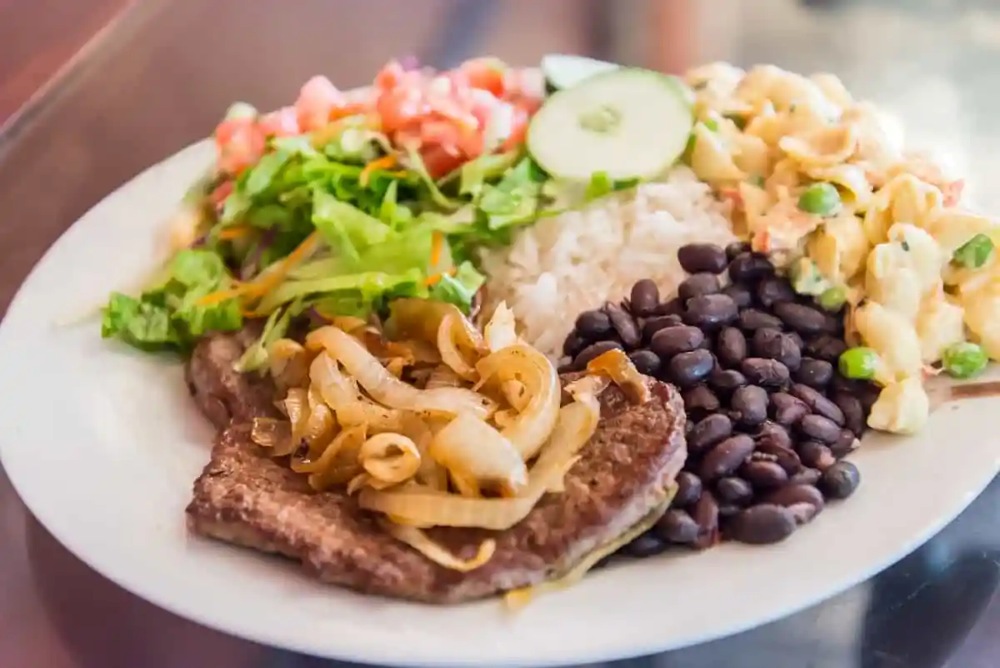
Casado structures the Costa Rican lunch. Rice, beans, plantains, salad, and a portion of meat or fish come together on a complete plate, commonly found in sodas—small, family-run eateries that are ubiquitous throughout the country.
Its name, meaning “married,” has given rise to several interpretations. One suggests that the ingredients are always served together, like a united couple on the plate. Another, more common in local accounts, recalls how workers eating away from home sought a meal reminiscent of those prepared by their wives. This combination of flavors thus became associated with comfort and the idea of a home-style meal.
Rondón
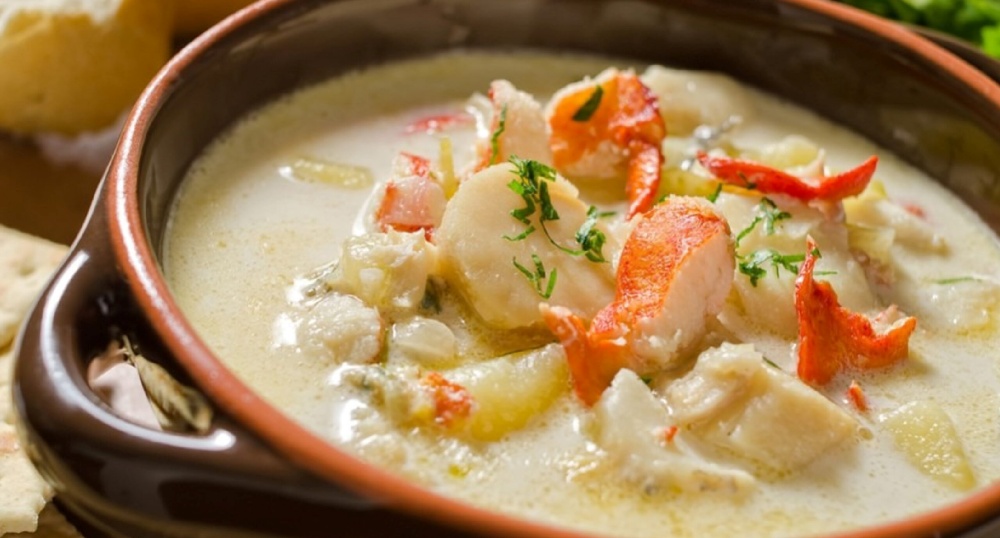
On the Caribbean coast, rondón reveals another facet of the country’s cuisine. This stew, made with coconut milk, fish or seafood, and tubers such as cassava or yam, draws its origins from Afro-Caribbean traditions.
In Limón, home to communities of Jamaican descent, rondón varies according to available ingredients. Its name, derived from “run down,” reflects this constant adaptability. More than a fixed recipe, it is a dish of circumstance, closely tied to coastal life.
Chifrijo
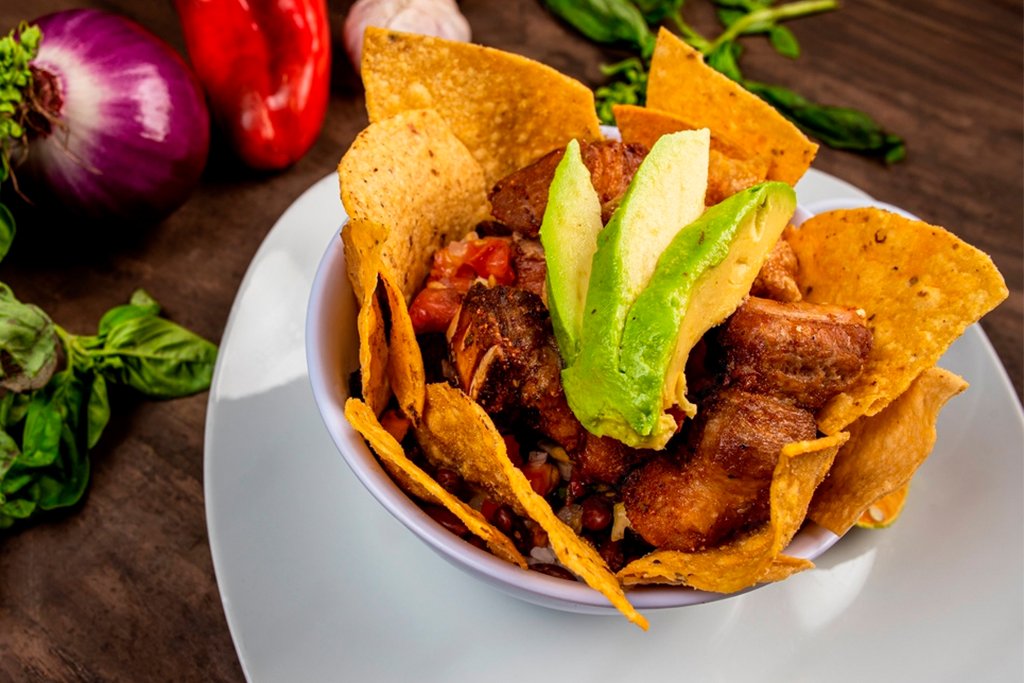
Born in the bars and cantinas of the Central Valley, chifrijo sits somewhere between a dish to share and a hearty snack. Tender beans, rice, crispy pieces of chicharrón, and pico de gallo form its base. Lime juice, hot sauce, and grilled tortillas complete the ensemble, with each person adjusting the flavors to their taste.
Often enjoyed among friends, chifrijo reflects a relaxed approach to the table, where people nibble, talk, and share without formality. A simple dish, yet revealing of a particular way of life.
Cajeta de chiverre

Especially present during Holy Week, cajeta de chiverre belongs to the realm of traditional sweets. Made from chiverre—a local fibrous squash—it is slowly cooked with sugar or panela, cloves, and cinnamon until it reaches a dense, fragrant texture.
Used as a filling for empanadas or eaten on its own, it illustrates Costa Rican appreciation for slow preparations, warm flavors, and artisanal techniques.
Discovering Costa Rica also means discovering these everyday dishes. Emerging from different contexts—home cooking, popular eateries, regional traditions—they illustrate how the country’s culinary identity has been shaped.
More than a gastronomic inventory, these dishes serve as a compass for exploring the country. Taking an interest in them offers a glimpse of a Costa Rica often best understood when the stove tells its own version of the territory.
Photos: D.R | Javier Ramirez