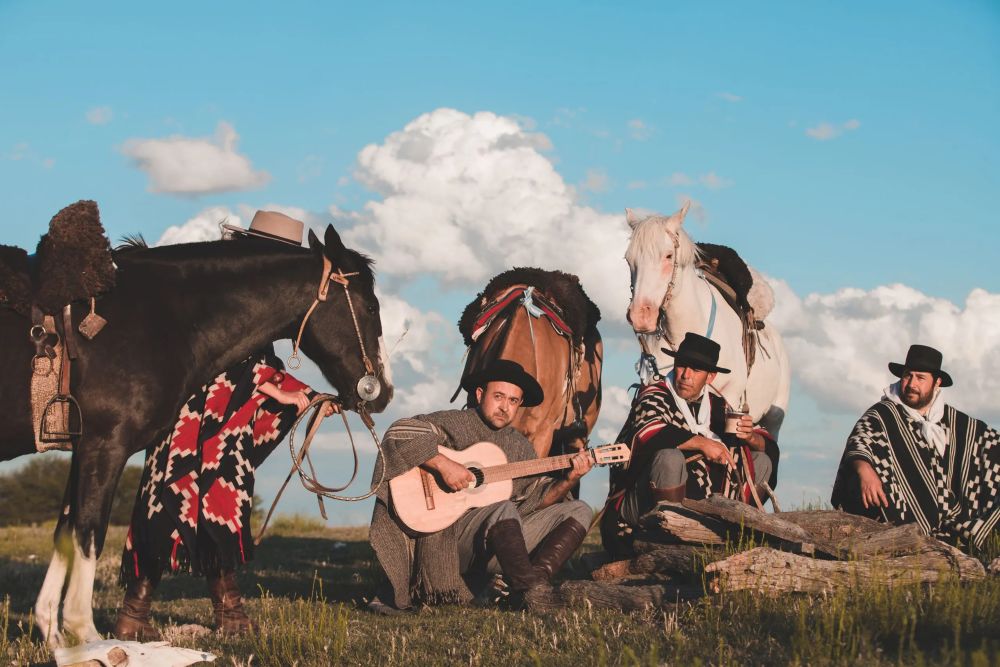



Across the vast expanses of South America, where the horizon seems to stretch endlessly and the wind sets the rhythm of rural life, a figure has emerged as one of the continent’s most recognizable cultural symbols: the gaucho. Often compared to the North American cowboy — a comparison that falls short when reduced to a mere equestrian icon — the gaucho actually embodies a way of inhabiting the land, relating to work, music, and hospitality. For travelers, his world offers a gateway to experiences that blend nature, tradition, and rural life.
An Origin Shaped by Mixing and Territory
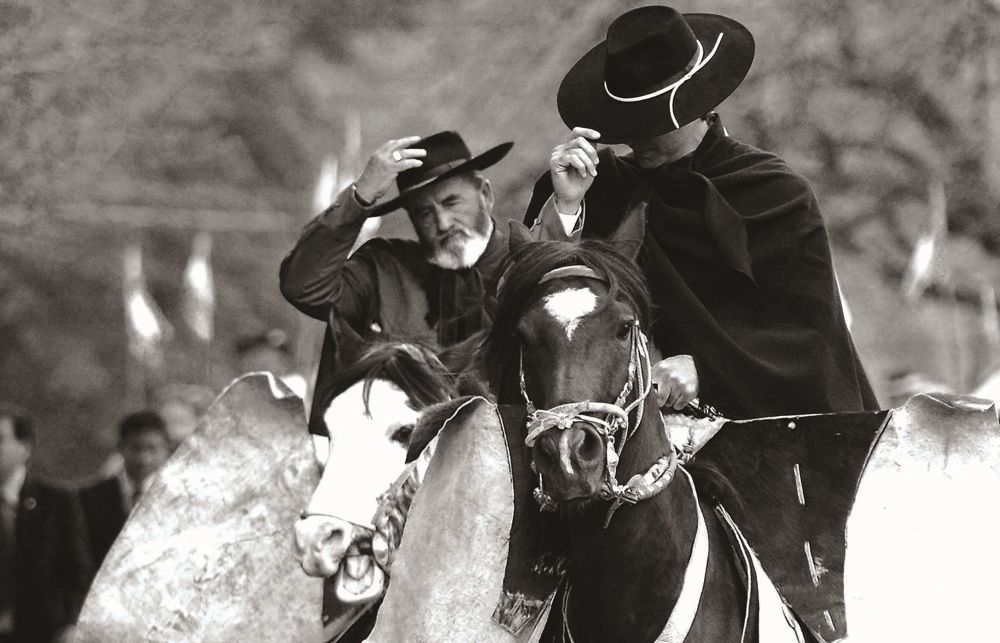
The gaucho appeared between the 17th and 19th centuries in the plains of the Río de la Plata, now shared by Argentina, Uruguay, and southern Brazil, within the context of the expansion of livestock farming after the introduction of horses and cattle by the Spanish. A product of cultural mixing, he combines Iberian equestrian traditions with indigenous knowledge of the land, giving rise to a rural worker capable of traversing vast open spaces and managing livestock.
During his travels in the region, Charles Darwin noted the gauchos’ hospitality, courtesy, and remarkable horsemanship, while also highlighting their independence and the sometimes harsh social conditions in which they lived. This duality — freedom and precariousness — is an integral part of their history.
The Estancias: Rural Life Today
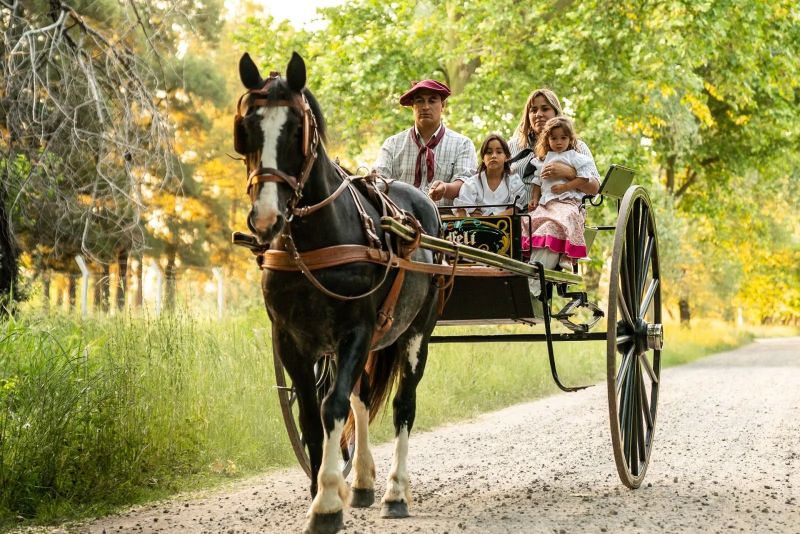
Gaucho culture can still be observed today in estancias — large rural estates historically dedicated to livestock and agricultural production. Many have evolved toward models combining productive activity with hospitality, without breaking with their original function.
In regions such as the Argentine pampas, the Sierras de Córdoba, or the interior of Uruguay, visitors can accompany herd movements, participate in horseback rides led by local riders, and observe the daily routines of working ranches. These experiences do not reconstruct an idealized past; on the contrary, they reveal a lifestyle that is very much alive.
Enduring Traditions
The gaucho heritage remains visible at rural gatherings where folk music, traditional dances, and the payada — a form of improvised verse sung and accompanied by guitar — form part of the social fabric. Certain regional festivals highlight these expressions, as do national celebrations such as the Fiesta de la Tradición in Argentina or the Semana Criolla del Prado in Uruguay, which combine equestrian skill with cultural transmission.
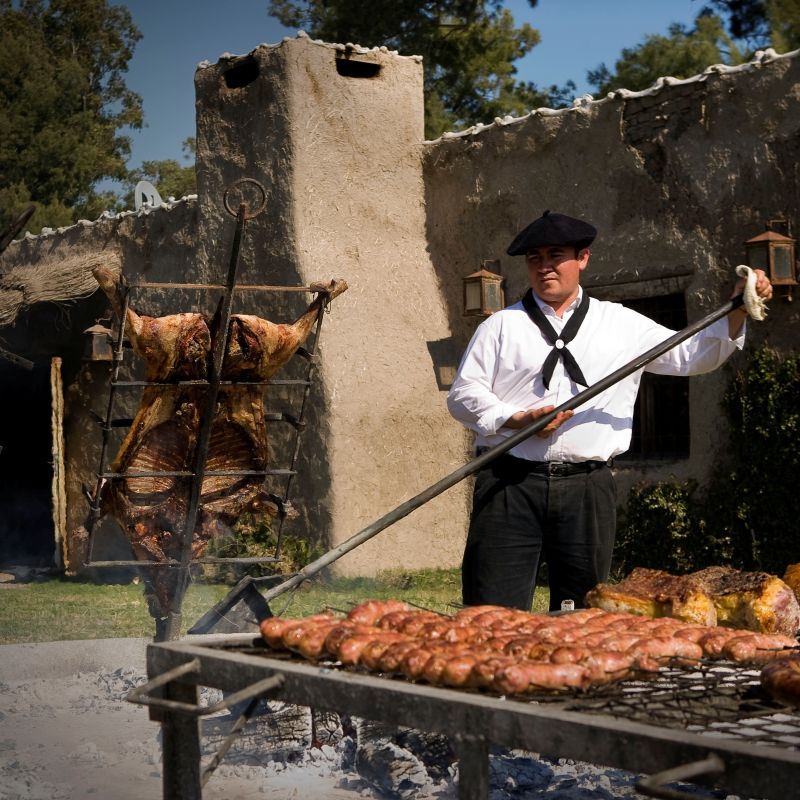
Among the most spectacular practices are the jineteadas, where riders try to stay on an untamed horse for a few seconds, demonstrating balance and mastery. Traditional attire — loose bombachas, leather boots, hat, and scarf — is worn as much for practicality as for identity.
Gastronomy and Rural Hospitality
In this culture, sharing a table follows a social code. The asado, slowly cooked over a wood fire, brings families and workers together around the same hearth. Local meats, homemade bread, artisanal cheeses, and regional wines reflect a cuisine directly linked to livestock and agricultural rhythms.
More than a fixed heritage, gaucho culture expresses itself in daily gestures where work, environmental knowledge, and hospitality form a single whole. Observing these practices helps understand how a figure born in the plains of the Río de la Plata continues to shape the imagination and social reality of part of South America.
Photos: Visit Argentina