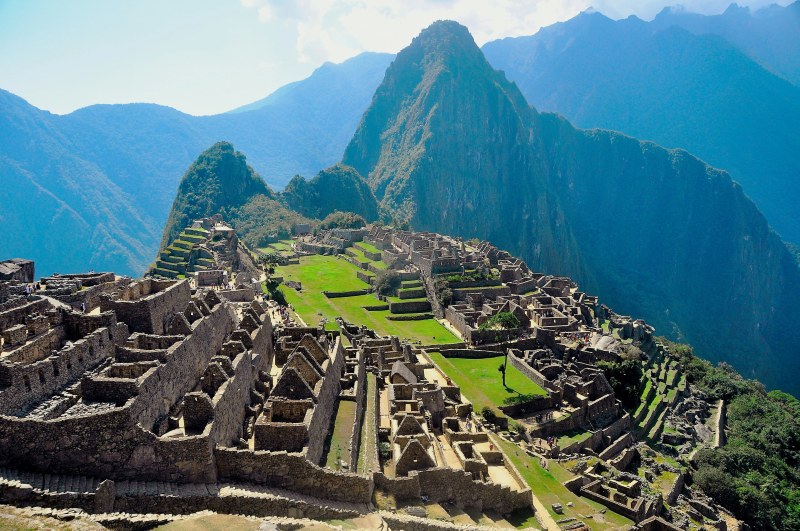

Visiting Machu Picchu now requires more planning than before. Since the official reorganization of the site, the entrance ticket no longer allows free movement across the entire citadel: each ticket corresponds to a specific circuit, a defined route, and a fixed entry time.
For tourism professionals, this change is essential for clients arriving from Cusco who wish to discover the iconic Inca citadel of Machu Picchu. The choice of ticket directly determines what the traveler will see, how long they will stay on site, the level of physical effort required, and sometimes even access to emblematic viewpoints.
The current system is based on 3 main circuits and 10 routes, designed to better manage visitor flows, preserve the site, and adapt the visit to different traveler profiles. Visitors must also respect the time indicated on their ticket, with a tolerance of 45 minutes in high season and 30 minutes in low season.
Seasons, capacity, and available routes: key data to anticipate
The distinction between low and high season does not only affect visitor numbers; it also changes the number of authorized visitors and the routes that are actually open.
In 2026, daily capacity in low season is set at 4,500 visitors. It can reach 5,600 visitors per day during peak demand periods:
- January 1
- April 2 to 5
- June 19 to November
- December 30 and 31
During regular periods, six main routes are offered. In high season, four additional itineraries are added: Inti Punku, the Inca Bridge, the Great Cavern, and Huchuy Picchu. This must be taken into account when designing the trip, as a route available in July may not be accessible in May or November.
Three circuits, three ways to discover the site
Circuit 1: the panoramic route
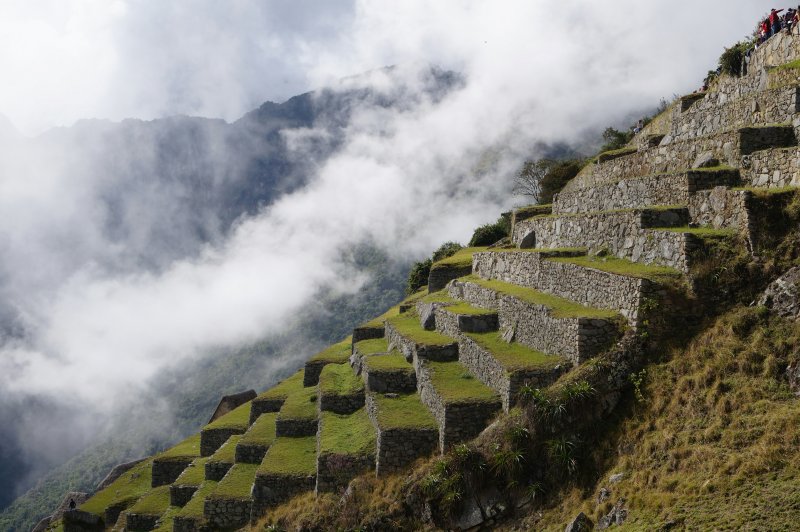
Circuit 1 focuses on panoramic views of Machu Picchu. It is designed for travelers seeking wide landscapes, classic photography of the site, or a less interior-focused visit.
Route 1A, Machu Picchu Mountain, is available year-round and suits travelers with time and a reasonable fitness level. The route is about 4 km round trip and can take up to six hours. The effort is moderate to demanding, but altitude and duration must be considered. It leads to the highest viewpoint over the citadel: a unique experience.
Route 1B, Upper Terrace, is also open year-round. It is the most accessible option for obtaining the classic Machu Picchu photo from above. The visit lasts about 2.5 hours, with no long walking or major difficulty. It is particularly suitable for families, travelers with limited time, or those seeking minimal physical effort.
In high season, Route 1C to Inti Punku (the Sun Gate) adds a historical dimension. The trail is about 3 km round trip and can take up to four hours. Route 1D to the Inca Bridge, also seasonal, is shorter (around 1.5 km) but restricted to visitors over 12 due to exposed cliff sections.
Circuit 2: the classic route
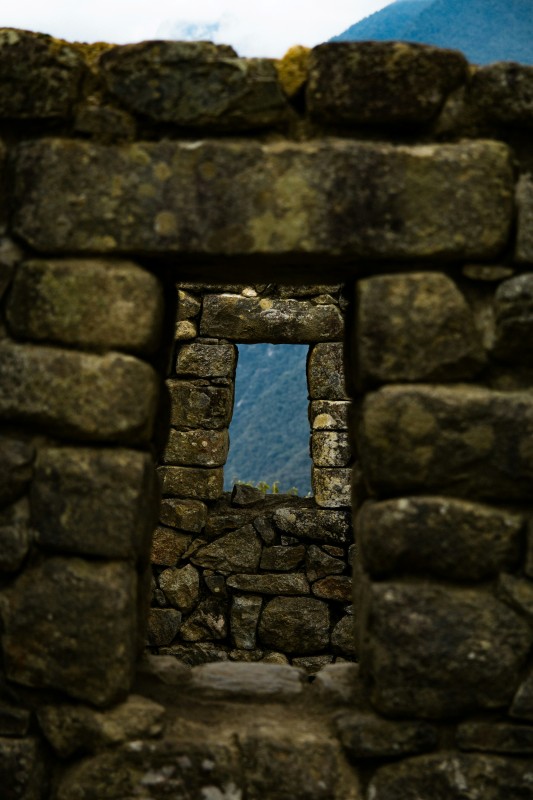
Circuit 2 remains generally the best choice for a first visit. It covers a large part of the llaqta of Machu Picchu, including its urban, agricultural, and religious sectors. It no longer includes access to upper platforms or the Intihuatana (monolithic sundial), but it offers the most complete reading of the site’s organization.
Its two routes, 2A Classic Designed and 2B Lower Terrace, are available year-round. They last about 2.5 hours and operate with entry slots between 6:00 a.m. and 3:00 p.m.
Route 2A allows access to much of the citadel, including the Temple of the Sun, Pisonay Square, the Sacred Rock, agricultural terraces, religious sectors, ancient colcas (granaries), and residential areas. It also offers a close view of the classic postcard perspective, though not exactly from the upper terraces viewpoint.
Route 2B offers a similar visit but from the lower terrace. It is fully accessible to the general public and has no age restrictions. For professionals, this is often the easiest circuit to recommend for first-time visitors who want to understand the site without hiking. However, clients must be informed that the routes are one-way only, with no backtracking or re-entry once exited.
Circuit 3: the royal route
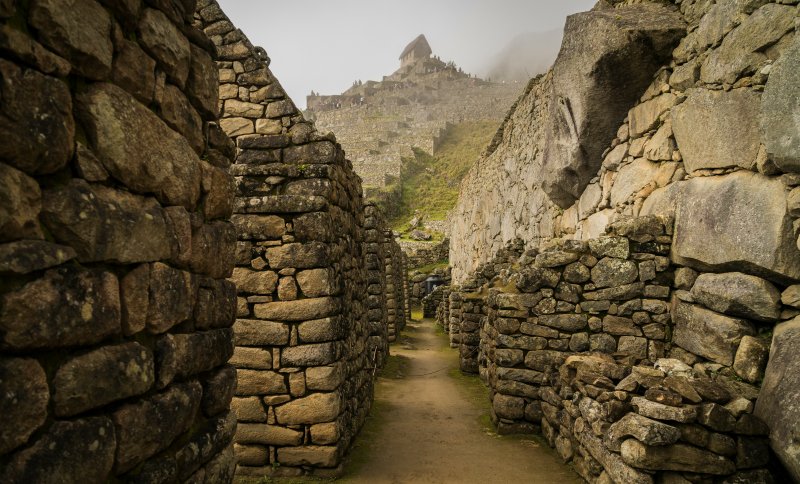
Circuit 3 focuses on the lower parts of the citadel, offering a shorter visit, but also options that can become significantly more demanding depending on the chosen route. It includes several important ceremonial and residential sectors.
Route 3A, Huayna Picchu, is one of the most in-demand. It combines a partial visit of the citadel with a mountain ascent. Total duration can reach six hours, with two entry groups (200 visitors each) at 6:00 a.m. and 8:00 a.m. Access is restricted to adults over 18.
Route 3B, Royal Designed Route, is available year-round. It lasts about 2.5 hours, with access from 6:00 a.m. to 3:00 p.m. It includes lower sectors such as the Temple of the Condor and the Water Mirrors. It is suitable for travelers seeking a shorter visit or with physical constraints.
In high season, Route 3C to the Great Cavern (Temple of the Moon) takes about 3.5 hours and is also restricted to adults over 18. Route 3D to Huchuy Picchu can last up to seven hours, with two entry times (6:00 a.m. and 9:00 a.m.), also reserved for adults. These routes are more suitable for physically fit travelers interested in less conventional areas of the site.
A decision to make from the trip design stage
Advance planning is now essential. The ticket determines not only the time of visit but also the type of experience: panoramic views, in-depth exploration, short circuits, hiking, or access to specific sectors.
The choice of circuit must take into account the season, daily capacity, available time, physical level, traveler age, and entry schedules. This added precision requires more advisory work, but it also allows for a more accurate and better-tailored visit.
You may also like: The Inca Trail: An epic adventure to Machu Picchu
Whatever the chosen route, Machu Picchu remains one of Peru’s most remarkable sites. From the terraces, within the citadel, or along more demanding trails, each circuit reveals a different part of the site. For travelers, the experience remains rare, memorable, and deeply impactful.
Photos: Willian Justen De Vasconcellos | Adrian Dascal | Simon Schwyter | Victor He Yam