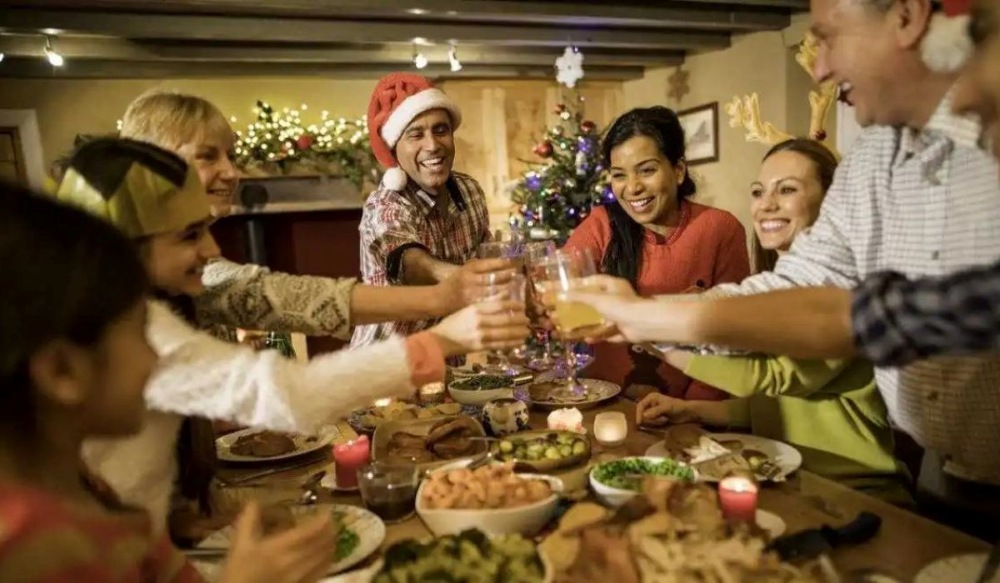

In Latin America, the end-of-year celebrations are lived as much around the table as in the streets or in homes. Each country prepares its own recipes, reflecting multiple heritages and practices passed down from generation to generation. Through these dishes, each nation reveals its own way of celebrating the holidays, shaped by its ingredients, its history, and its family customs.
Continental and Island Caribbean: blends and culinary heritage
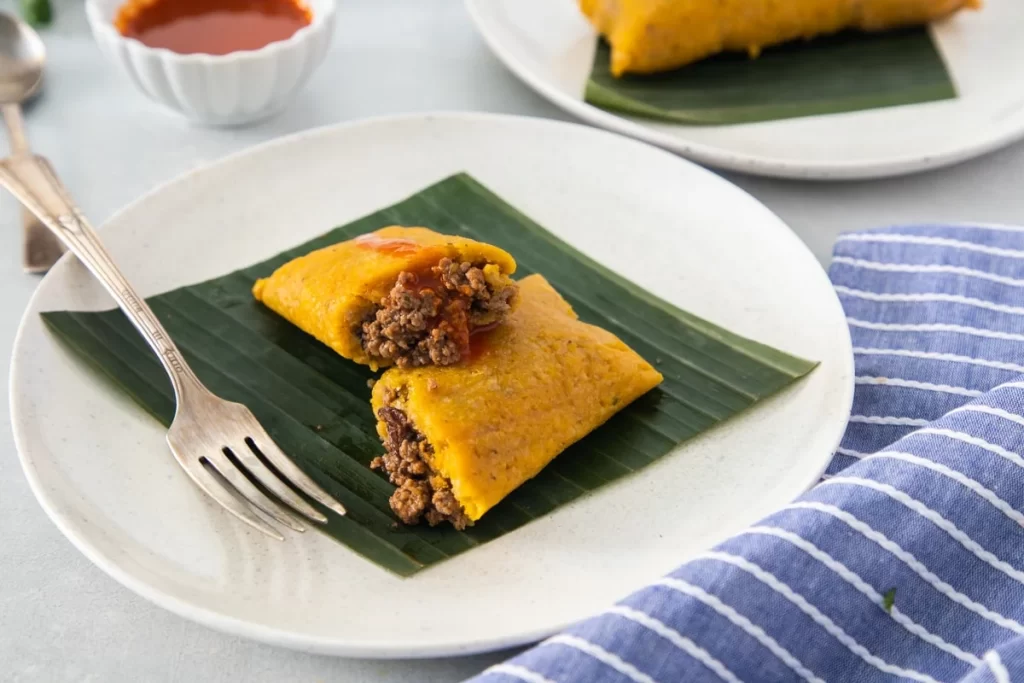
In Caribbean kitchens, December is defined by slow-cooked dishes, spiced breads, and preparations where Indigenous, African, and European influences intersect. In the Dominican Republic, pasteles en hoja—a dough made of plantain or yuca (cassava) filled with seasoned meat—hold a central place. They are often served with licor de mandarina, an artisanal liqueur obtained by macerating citrus peels, served very cold at the end of the meal.
In Cuba, Christmas Eve often centers around roasted pork—either baked or cooked in a caja china—served with yuca, rice, and the traditional garlic mojo.
Andes and highlands: sweets and warm drinks
In the Andean regions, Christmas recipes follow well-established traditions. In Colombia, buñuelos—small fried cheese dough balls—are shared alongside natilla, a sweet milk-based custard made with panela and cinnamon. Canelazo, a hot drink flavored with cinnamon and aguardiente, accompanies the coolest evenings.
In Bolivia, picana holds a special place: this stew combining meats, vegetables, and aromatic broths is traditionally served after Christmas Mass.
You may also like: Discover Bolivia through its cuisine: 5 dishes you absolutely must try
Coasts and Indigenous heritage: intertwined influences
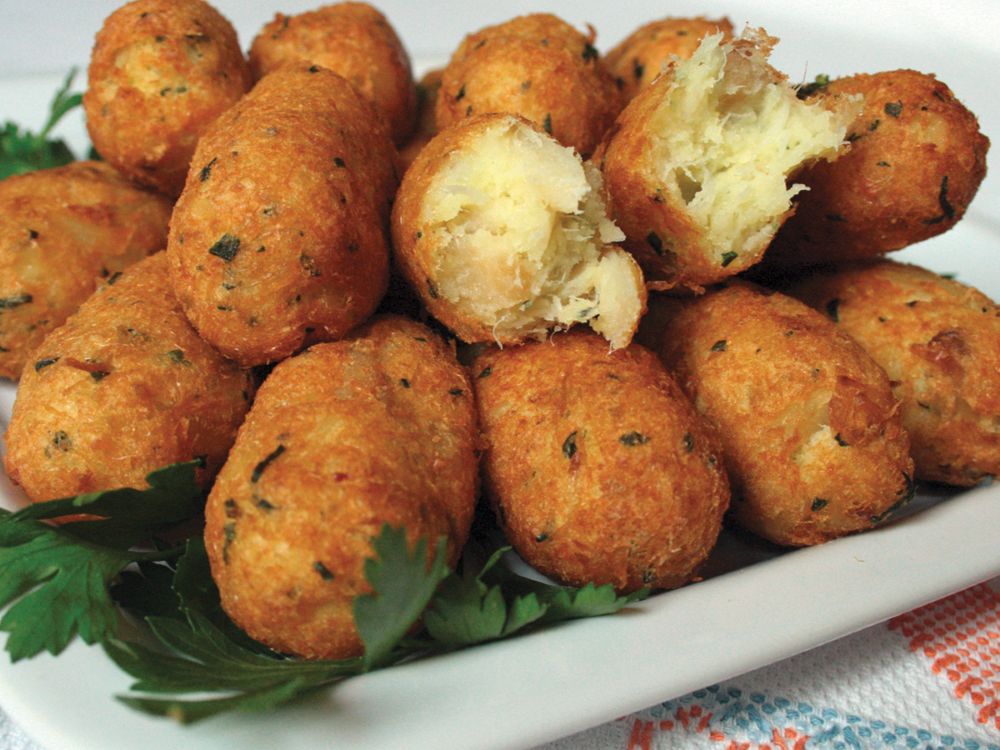
In Brazil, holiday tables bring together traditions of diverse origins. Peru de Natal is served alongside farofa, a toasted cassava flour preparation inherited from the Tupí-Guaraní peoples, and bolinhos de bacalhau, a reminder of Portuguese influence. These dishes illustrate how historical exchanges continue to shape the flavors of the season.
From the Southern Cone to Mexico: celebrations shaped by climate and custom
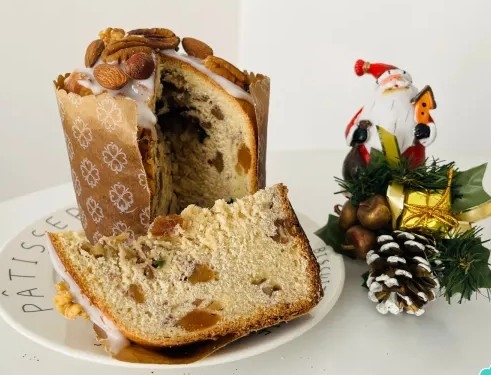
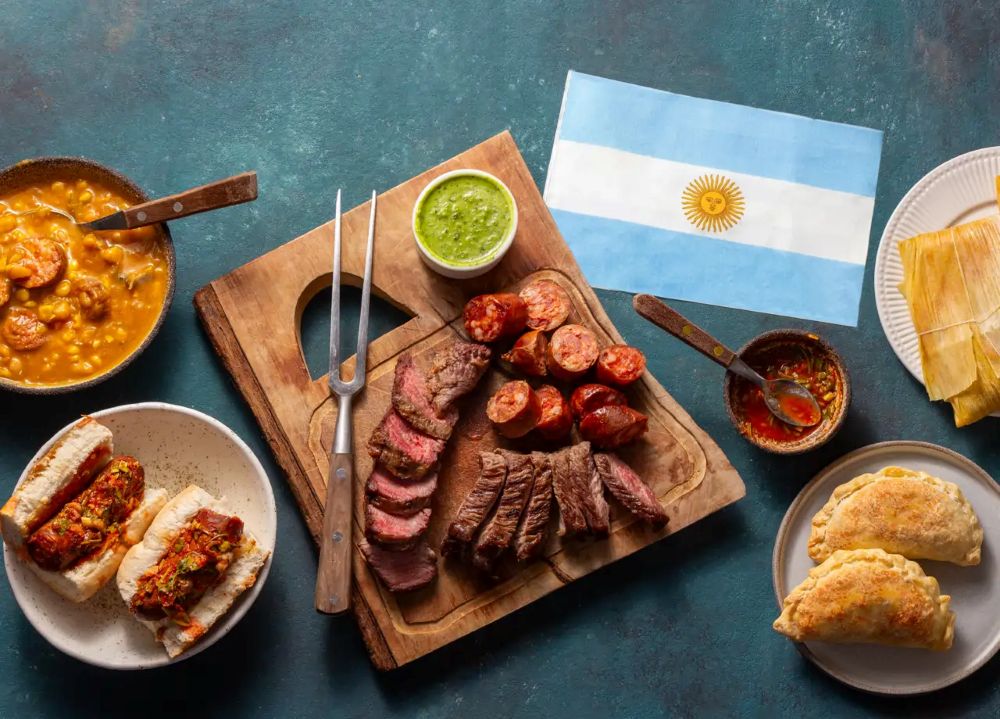
In the Southern Cone, meals adapt to summer temperatures. In Argentina and Uruguay, sweet breads, salads, and cold dishes are preferred for December evenings. In Chile, cola de mono, a homemade liqueur made with coffee and spices, is one of the most widespread traditions.
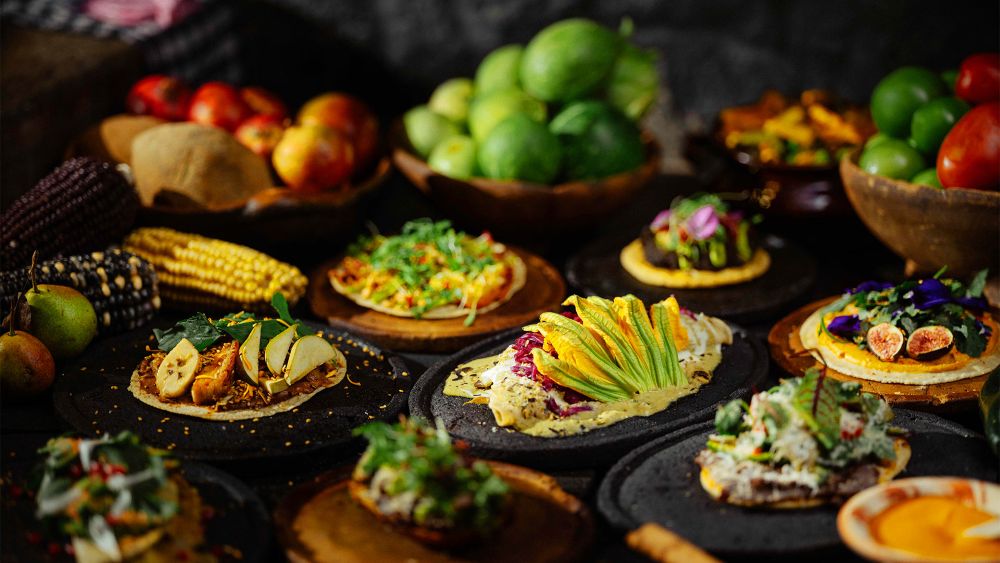
Further north, Mexico maintains a wide array of characteristic recipes: tamales, fruit punch, and regional preparations vary by state but remain at the heart of the holiday season.
Taken together, these dishes reflect a culinary tradition that transcends national borders. In Latin America, the holidays are shaped as much by kitchen rituals as by the moments shared. Through recipes transmitted, adapted, or reinterpreted over time, the region affirms an identity that brings residents and visitors together around a common ritual: cooking and sharing.
Photos: D.R | Sabor Brasil