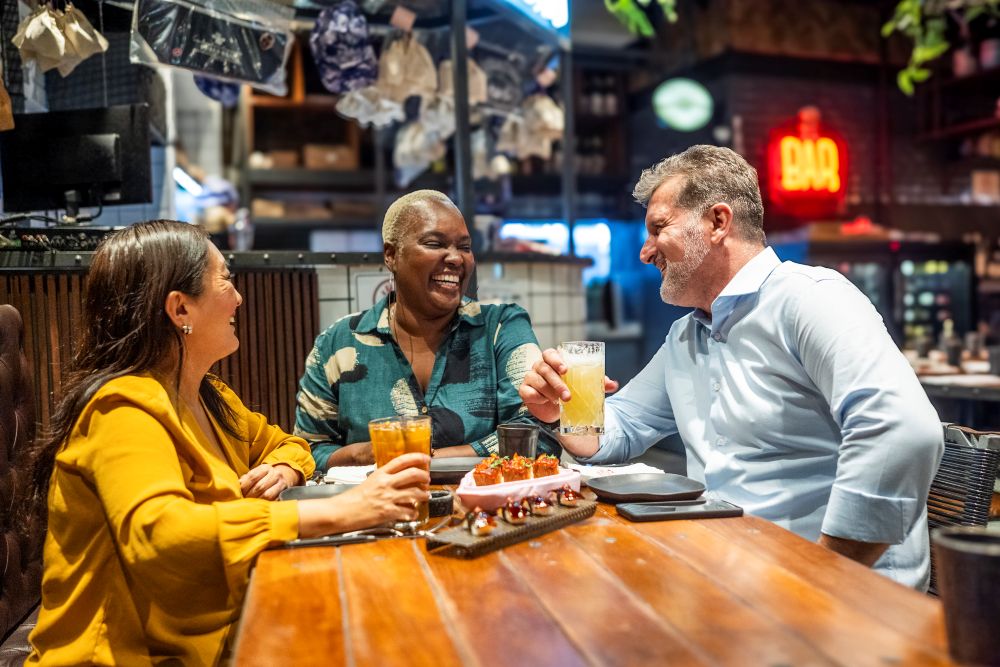

A destination’s identity is not expressed only through monuments or landscapes. It is also discovered at the table: in recipes repeated daily, products sourced from local markets, and eateries frequented by residents themselves. This relationship between gastronomy and everyday life is what the Gastronomic Authenticity Index set out to measure.
Conducted by travel insurer InsureandGo, the study draws on more than 1.3 million Google Maps reviews analyzed across 144 cities worldwide. Each destination receives a score from 0 to 100 based on mentions of authenticity versus negative references. It is not an academic ranking but a perception indicator — precisely what makes it valuable for the tourism sector.
The results are unequivocal: seven of the top ten cities are in Latin America.
Colombia leads: everyday food and regional diversity

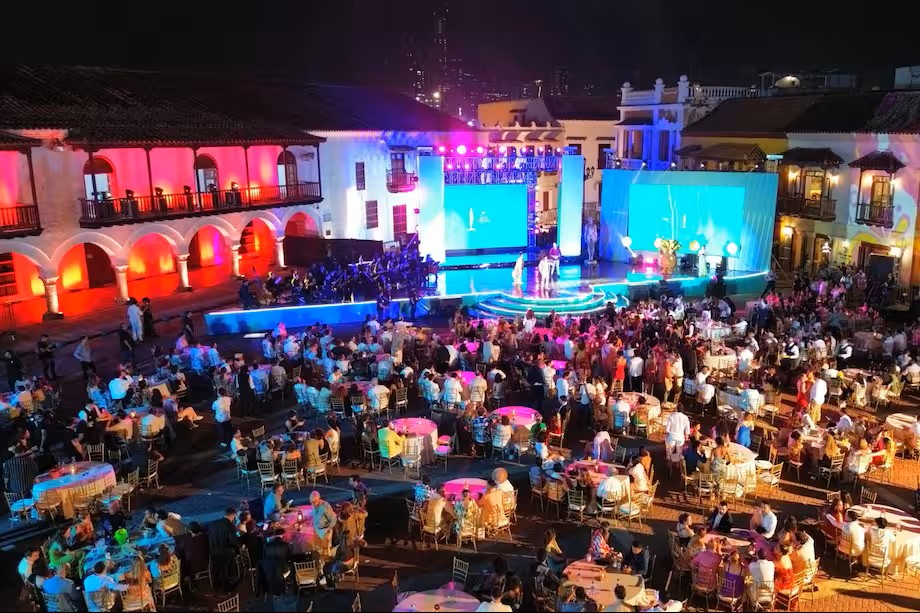
With a perfect score of 100/100, Bogotá ranks first worldwide. The study highlights the vitality of neighborhood kitchens, traditional markets, and the continuity of local culinary practices. Arepas, ajiaco santafereño, and Andean soups coexist with contemporary interpretations in independent restaurants, without breaking from everyday food culture.
Ranked seventh, Medellín confirms this momentum. The Antioquian capital combines rural traditions — visible in dishes such as bandeja paisa — with an emerging gastronomic scene that prioritizes regional products. The presence of two Colombian cities in the Top 10 underscores the strength of this culinary identity beyond fleeting trends.
You might like: 4 destinations to discover Colombian regional cuisine
Peru and Ecuador: heritage and international projection
Lima ranks second with 70.5 points, consolidating its international reputation. The Peruvian capital blends pre-Hispanic heritage, colonial influences, and Asian contributions in a scene where historic markets, traditional cevicherías, and contemporary restaurants coexist. The global recognition of Peruvian gastronomy finds measurable reflection in traveler perception.
In fifth place, Quito relies on the continuity of Andean techniques and local ingredients in dishes such as locro de papa and hornado. This visibility was recently reinforced at Madrid Fusión 2026, where the Ecuadorian capital showcased its traditional cuisine as part of its international positioning strategy.
You might like: Discover Ecuador through its cuisine: 5 must-try dishes
Chile and Brazil: ports, metropolises, and migratory heritage
Valparaíso (6th) represents a port-based cuisine tied to the central coastline: caldillo de congrio, fresh seafood, maritime empanadas, and machas a la parmesana reflect both maritime tradition and migratory influences.
Santiago (11th) complements Chile’s presence through spaces such as Mercado Central and La Vega Central, where Pacific products, Central Valley produce, and traditional cuisine converge — forming the foundation for contemporary proposals.
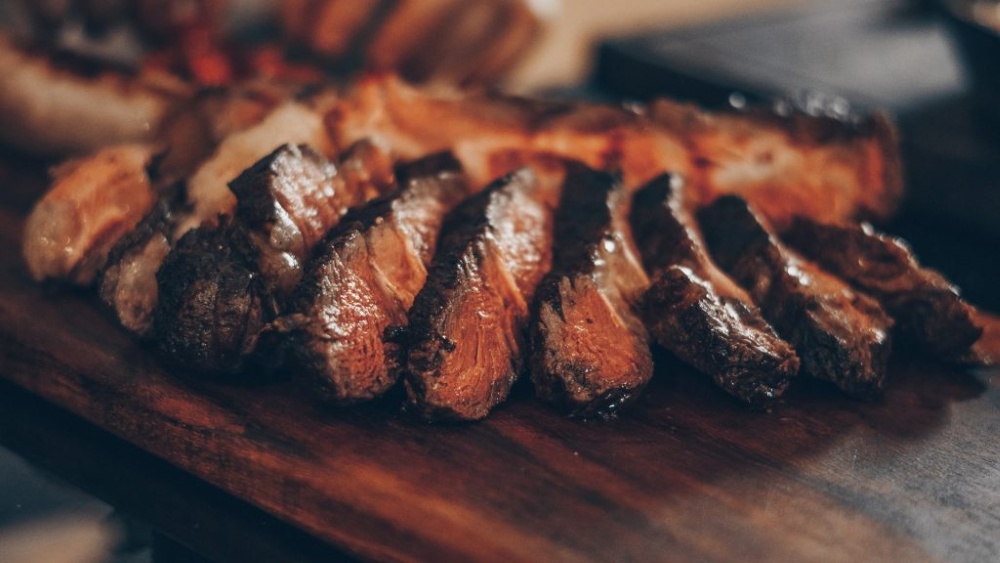
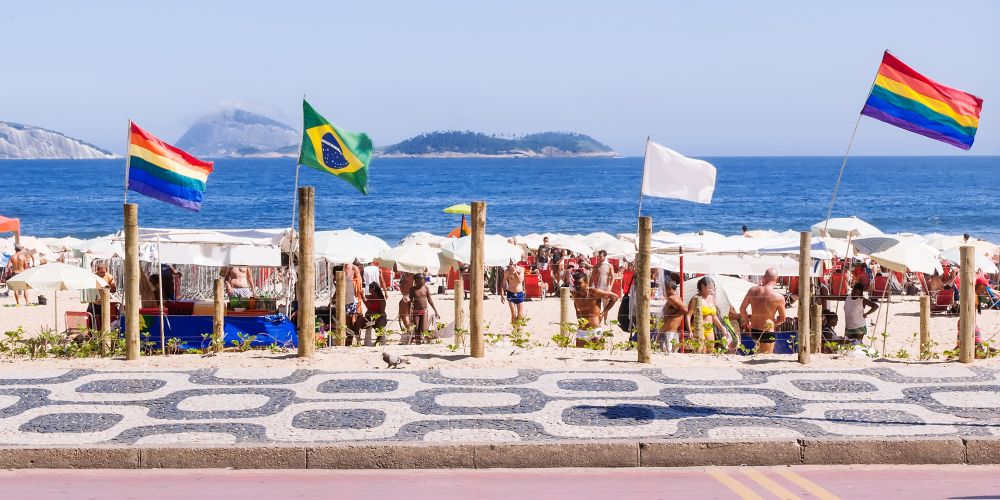
Brazil places two cities in the ranking: Río de Janeiro (8th) and São Paulo (9th). In Rio, feijoada and moqueca remain both domestic and popular references. In São Paulo, migratory diversity — Italian, Japanese, and Arab — shapes a gastronomic scene where municipal markets coexist with churrascarias. The rodízio model, continuous service of grilled meats, illustrates this collective dining experience that has become emblematic.
Authenticity as a competitive advantage
Another notable element: no Latin American city appears among destinations travelers identify as “tourist traps.” At a time when urban standardization is often criticized, this contrast strengthens the perception of a culinary offer deeply connected to its territory.
For tourism professionals, these results go beyond rankings. They confirm that everyday gastronomy — with its markets, popular kitchens, and neighborhood restaurants — is becoming a key differentiator. While other regions rely on haute cuisine or staged experiences, Latin American cities also capitalize on continuity between local life and visitor experience.
In an international market where authenticity has become a central decision factor, this recognition reinforces a structural asset for the region: a table that goes beyond the exceptional to tell the story of a territory in everyday life.
Photos: Visit Brasil| Colombia Travel | Emerson Vieir