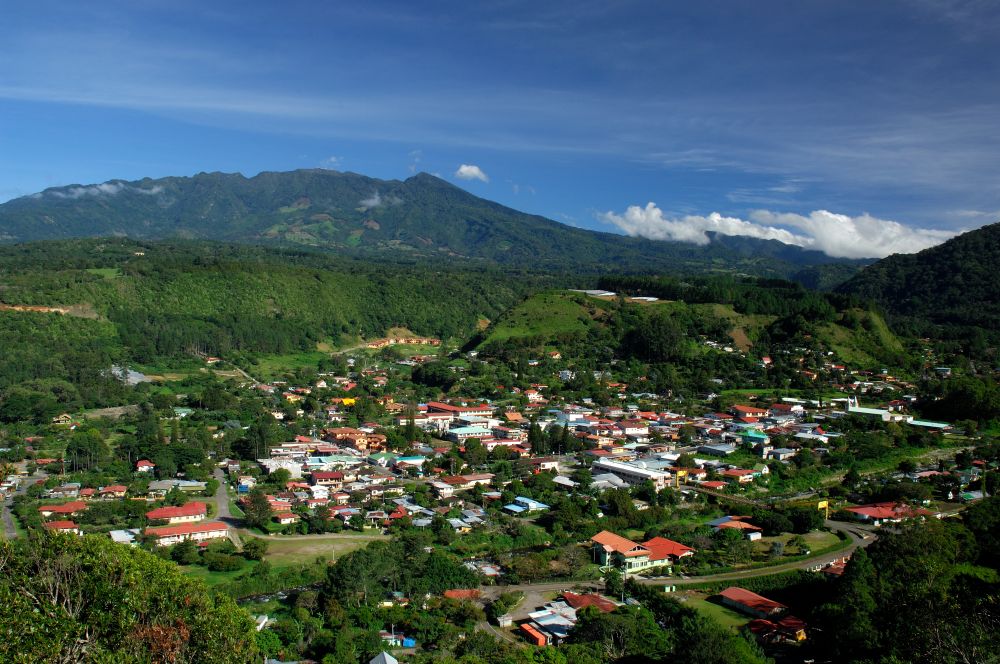
Located in the highlands of Chiriquí province, in western Panama, Boquete stands out from the moment of arrival. Leaving the tropical lowlands behind, the road climbs and the landscape gradually changes: the air becomes cooler, the vegetation denser, the terrain more pronounced. At around 1,200 metres above sea level, the valley offers an environment shaped by volcanic soils, mountain rivers and a temperate climate that contrasts with the rest of the country.
A defining geography
Boquete lies at the foot of Volcán Barú, Panama’s highest peak at 3,475 metres. This proximity has a strong influence on the area: fertile soils, a diversity of microclimates and moderate temperatures throughout the year. Humid forests, agricultural land and waterways form a balanced landscape, suitable for both hiking and rural activities. This geography largely explains the destination’s appeal, for active travellers as well as for those seeking accessible nature.
Coffee, a pillar of local identity
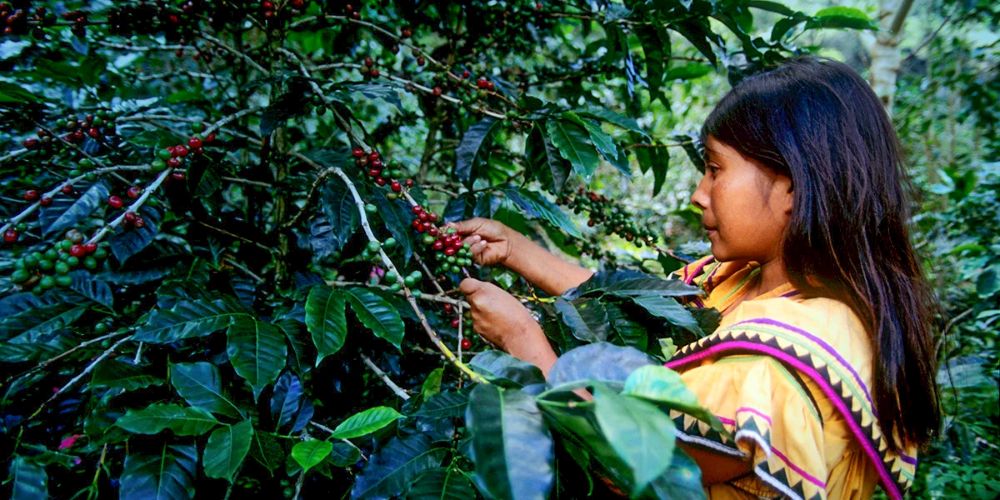
Coffee cultivation plays a central role in Boquete’s history and economy. Altitude, volcanic soils and climatic conditions have favoured the development of Arabica coffees with international recognition. Some farms produce varieties that are particularly sought after on specialised markets.
Visits to plantations are an integral part of the local experience. They allow visitors to follow the entire process, from cultivation to roasting, and to better understand the demands of high-altitude coffee production. Tastings highlight specific aromatic profiles, directly linked to the valley’s natural conditions.
Hiking, observation and outdoor activities
Boquete is also a key starting point for exploring the landscapes of Volcán Barú National Park. The Los Quetzales Trail, which connects Boquete with Cerro Punta, crosses a cloud forest known for its biodiversity. Depending on the season, it is possible to spot the resplendent quetzal. While the full hike is aimed at experienced walkers, shorter sections allow for a more gradual approach.
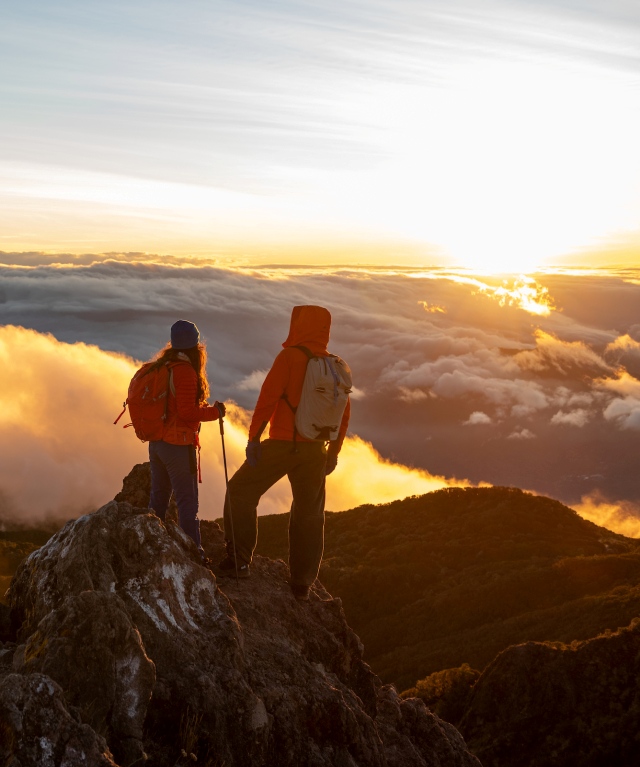
The Pipeline Trail offers a more accessible alternative: a short route following a river and leading to a waterfall, suitable for families or visitors with limited time. For more seasoned hikers, the ascent of Volcán Barú remains the most demanding experience. Undertaken before dawn and under favourable weather conditions, it offers, on clear days, the rare possibility of seeing both of the country’s ocean coastlines at the same time.
You may also like: Chiriquí: A journey to the heart of Panamanian diversity
A destination with a flexible pace
Beyond physical effort, Boquete offers gentler activities: nearby hot springs, natural pools, horseback or cycling excursions, farm visits and rural stays. This diversity makes it possible to tailor a stay to different traveller profiles, without breaking with the region’s natural and agricultural identity.
At the crossroads of mountains, coffee and cloud forests, Boquete stands out as a well-defined destination, where the environment shapes experiences without standardising them. A territory that reveals another side of Panama—cooler, more rural and deeply connected to its landscape.
Photos : D.R | Visit Centroamerica | Tourism Panama