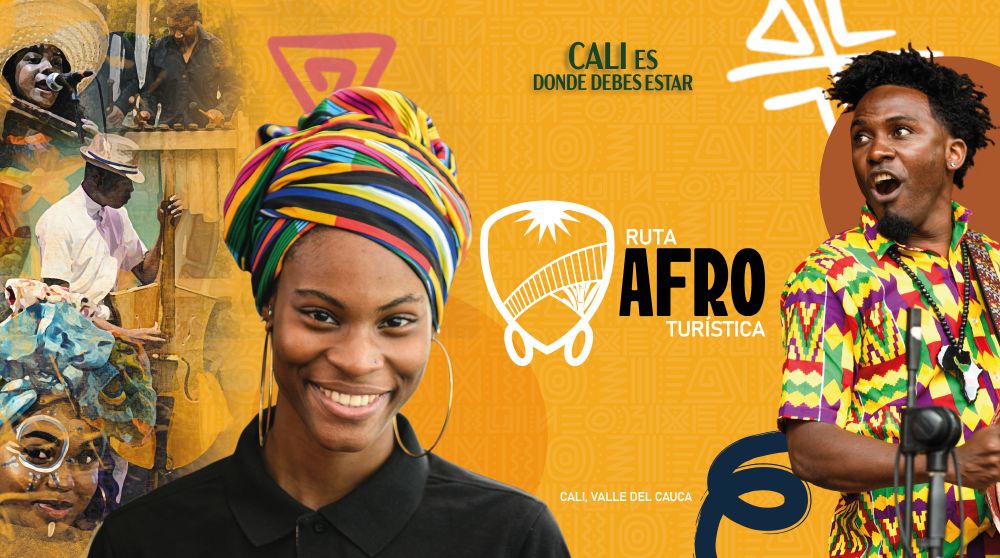
Long almost exclusively associated with salsa, Cali is now broadening its tourism narrative. The city has launched an Afro Tourism Route, a free guide bringing together 53 cultural experiences linked to the Afro-descendant heritage of Colombia’s Pacific region. The initiative does not seek to replace existing symbols, but rather to make visible another foundational dimension of local identity.
Conceived as a structured tool aimed at the international market, the route expands the range of urban tourism offerings by drawing on practices, knowledge, and cultural expressions that have long remained on the margins of traditional tourism circuits.
A project rooted in territory and communities
Cali is the second city in Ibero-America with the largest Afro-descendant population. This demographic reality is now reflected in a tourism product with a clearly defined identity, developed through collaborative work between the city’s Tourism Secretariat and local Afro-descendant communities.
The experiences included cover several complementary dimensions of this heritage. They range from traditional musical expressions—such as marimba and percussion—to spaces dedicated to oral transmission and memory, knowledge related to midwifery, contemporary fashion and aesthetic proposals with African roots, handicrafts, and a gastronomic offering centered on recipes and beverages from the Pacific region, including viche and traditional confectionery.
A lever for the local cultural economy
Beyond its cultural dimension, the Afro Tourism Route also functions as an economic tool. The guide includes a directory of 14 local companies from different sectors of the Afro cultural economy, linking the proposed experiences with active service providers.
This connection between cultural content and economic actors aims to facilitate the development of a coherent and evolving offer, while increasing the visibility of small-scale initiatives that are often underrepresented in traditional circuits. The initiative is presented by local authorities and national entities such as ProColombia as an example of socially oriented tourism, where benefits are directed straight to the communities that preserve these forms of knowledge.
The stated goal is to support local income without distorting the cultural practices from which it originates, avoiding excessive standardization or staging disconnected from local realities.
A format designed for international markets
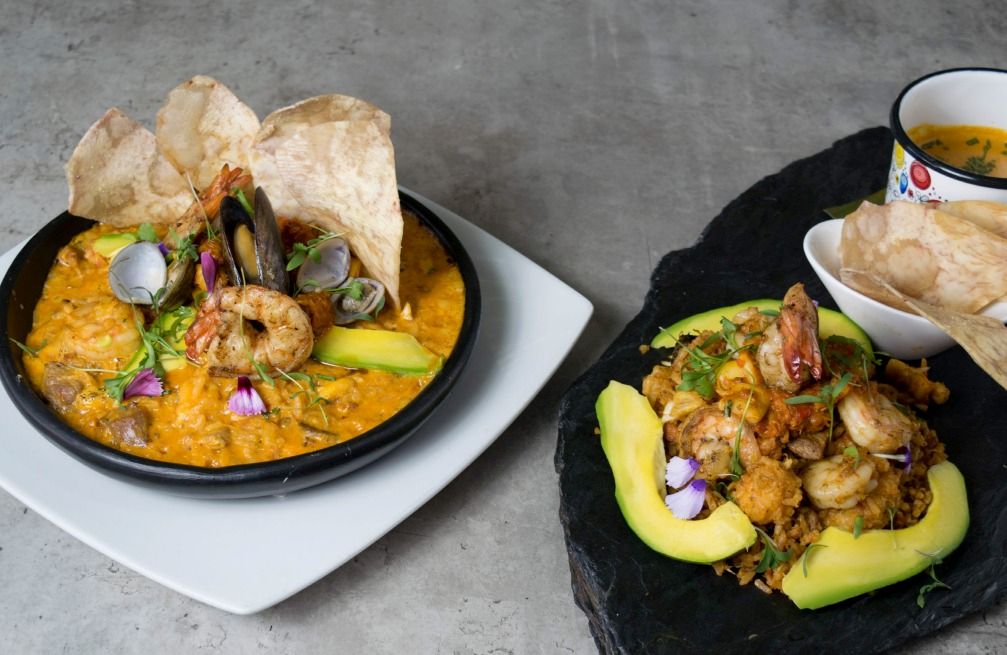
Unlike many urban tourism products, the Afro Tourism Route does not propose a single itinerary or a fixed circuit. Instead, it is structured as a network, allowing for tailor-made proposals based on different interests: Pacific gastronomy, traditional music, cultural practices, or contemporary creative expressions linked to Afro heritage.
This flexibility responds to the needs of international agencies and operators, often seeking adaptable products for different traveler profiles. Available free of charge in digital format through the city’s official tourism portal, the guide can be integrated into catalogs and commercial offerings throughout the year, independently of major events such as the Feria de Cali.
With this initiative, Cali offers a broader and more representative reading of its history and identity. By organizing cultural expressions that are essential to the city’s formation and giving them structured visibility, the Afro Tourism Route goes beyond the logic of a thematic product. It also illustrates a wider evolution of urban tourism in Colombia, where the recognition of Afro-descendant heritage is becoming a lever for diversification, structuring of the offer, and local economic development—contributing to a more balanced form of tourism rooted in the realities of the territory.
Photos: Visit Cali | Alcaldía de Cali