
From the northern high plateaus to the Patagonian glaciers, Chile brings together a diversity of altitudes rarely found elsewhere on the continent. As travellers increasingly seek adventure experiences that are responsible and connected to preserved environments, the country stands out as one of the most structured territories in South America for mountain tourism. Nationwide, infrastructure, safety and varied ecosystems allow both trekking enthusiasts and high-altitude expedition lovers to be welcomed.
The Six-Thousand Route: at the edge of the desert, another world
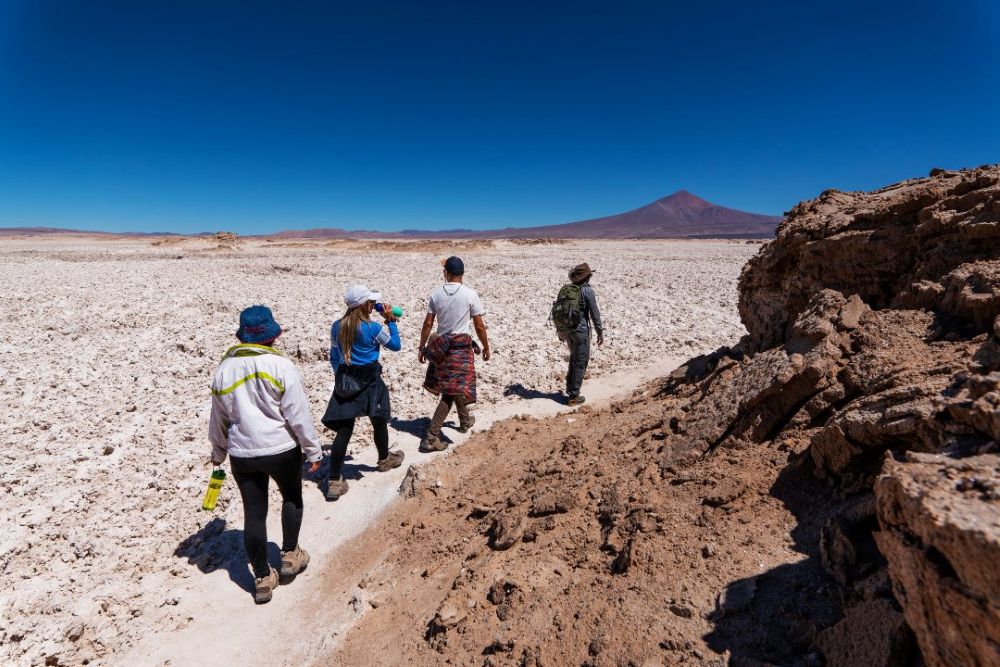
In the Altiplano of the Atacama region, the Six-Thousand Route brings together more than a dozen peaks rising above 6,000 meters, including Ojos del Salado (6,893 m), the highest active volcano on the planet. The route begins in Copiapó and crosses the Claudio Gay mountain range, an area of salt flats, high-altitude lagoons — Verde, Santa Rosa, Negro Francisco — and mineral hues shaped by wind and aridity.
The ascent requires rigorous logistics: 4×4 vehicles, certified guides and access permits. Yet the area offers remarkable accessibility for high mountain terrain, since it is possible to reach nearly 5,800 meters by vehicle. Expeditions focus between November and March, the most stable period in terms of weather. Exceptional visibility also makes this region a prime location for astrophotography and certain scientific research.
You may also like: Excellence at altitude: SERNATUR’s initiative for mountain guides
Patagonia: the classic “W” and “O” circuits of Torres del Paine National Park
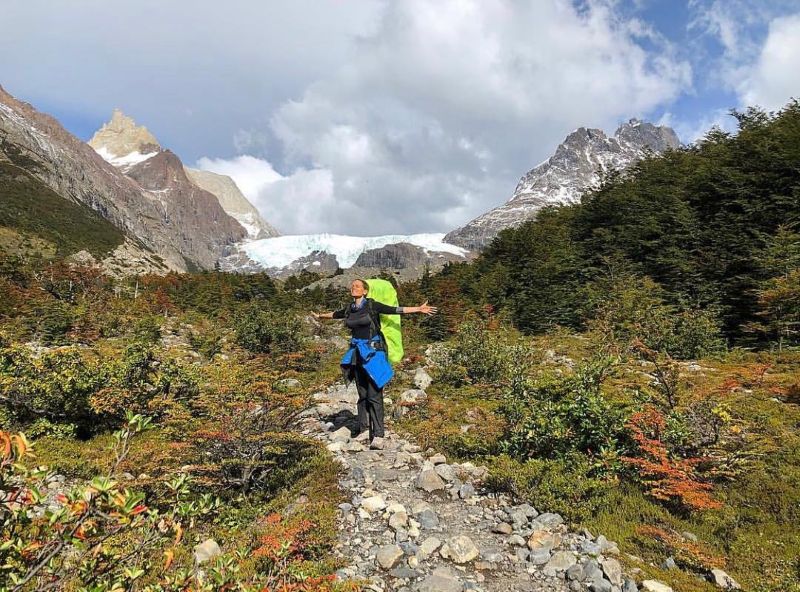
In the far south, Torres del Paine National Park remains a global benchmark for trekking. The
More demanding, the O Circuit circles the entire massif over more than 110 kilometers. It takes travellers into more remote sections, notably the John Gardner Pass, which opens onto the immensity of the Southern Ice Field. The ideal season runs from October to April, when tourist services operate fully and the winds are less intense.
You may also like: Torres del Paine: Hiking, Glaciers and Wildlife in the Heart of Chilean Patagonia
Central Andes: skiing, high-altitude sports and urban escapes
Less than two hours from Santiago, Valle Nevado, La Parva and El Colorado form a tourism corridor capable of hosting elite athletes and international families. From June to September, they offer one of the most complete ski and snowboard options in the region, supported by specialized schools, accommodation and restaurants.
In the warmer months, the slopes give way to mountain-bike routes, hiking trails and wildlife observation. Their proximity to the capital allows for easy combinations of nature, culture, gastronomy and urban visits — a flexibility valued by short-stay travellers.
Cajón del Maipo: the gateway to the Andes
Southeast of Santiago, the Cajón del Maipo valley is the main access point to the Andes for medium and high-mountain activities. The emblematic El Yeso reservoir attracts visitors with its turquoise waters framed by snow-covered peaks, but the valley offers much more: rafting, climbing, hot springs, hiking and climbs to the San José volcano or the Marmolejo, the southernmost six-thousand-meter peak on the planet.
The growth of rural accommodations, eco-lodges and a gastronomic offer centred on local producers strengthens the appeal of this destination among international travellers.
From the Andean summits of the north to the vast southern ice fields, Chile reveals a unique way of approaching the mountains: a territory where each altitude tells a different story about landscape, effort and silence. In a country that combines safety, variety and accessibility, the high mountains become not only a place of adventure, but also a journey to what truly matters.
Photos: Chile Travel | Saúde Sem Escala