Long known for its major beach destinations, the Dominican Republic is now embarking on a strategic adjustment of its tourism model. Without abandoning the fundamentals that have driven its success, the country is working on a National Ecotourism Strategy designed to structure, prioritize and support the development of territories where nature, history and local communities form the core of new tourism offerings. The objective is clear: to better balance tourism growth and diversify the Dominican positioning within the Caribbean.
This approach follows the legacy of the historic slogan “The Dominican Republic has it all,” but with a change in method. The aim is no longer simply to assert the diversity of the offer, but to make it legible, organized and institutionally supported, through clear territorial choices and well-defined governance frameworks.
A strategy under development through 2030
Led by the Ministry of Tourism, in coordination with the Ministries of Environment and Culture, the strategy seeks to establish ecotourism as a full-fledged pillar of the national tourism model. It is based on planning focused on land-use management, conservation and the active participation of local communities.
The first phase, scheduled through 2030, focuses on the development of master plans, budget definition and the prioritization of projects with the greatest economic and environmental potential. The goal is less about accelerating the creation of new destinations and more about channeling development into areas that have so far remained secondary within the international tourism offer.
Five pilot routes to expand the tourism map
The operational core of the strategy lies in the development of five pilot routes, each following a specific territorial logic and highlighting natural and historical resources that remain largely underrepresented at the international level.
- Pomier – Boca de Nigua (San Cristóbal): a route linking the Pomier Caves, the most significant collection of pre-Hispanic rock art in the Caribbean, with the Ingenio Boca de Nigua, a key site in the history of sugar production and slavery.
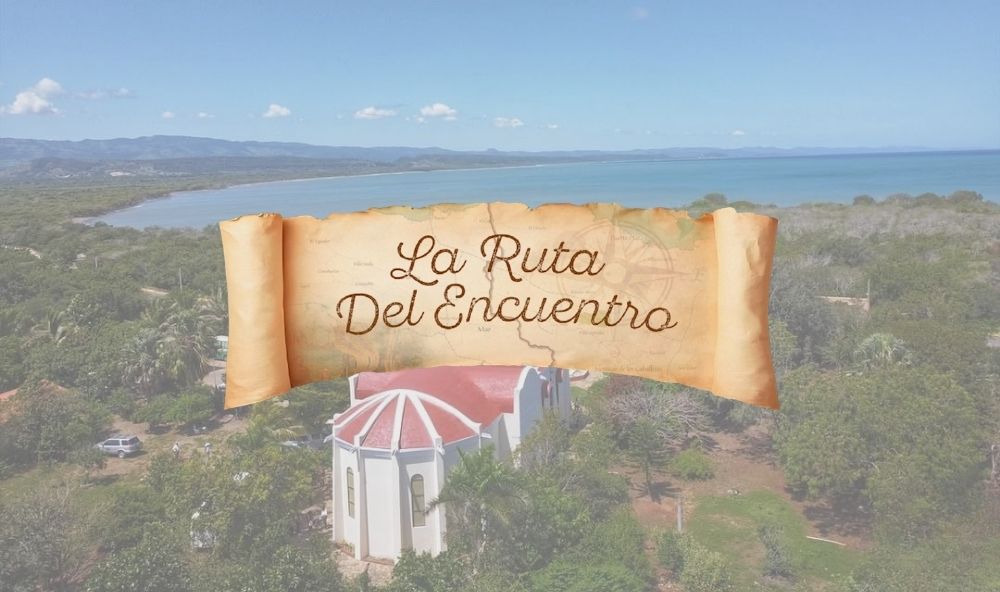
- La Isabela – Route of the Encounter (north coast): centered on the remains of La Isabela, the first permanent European settlement in the Americas, along with other documented sites from Christopher Columbus’s first voyage, with Puerto Plata as the main hub.
- Samaná Bay: an integrated area combining seasonal humpback whale watching, mangroves, cays and national parks, connected to coastal communities and governed by environmental regulations.
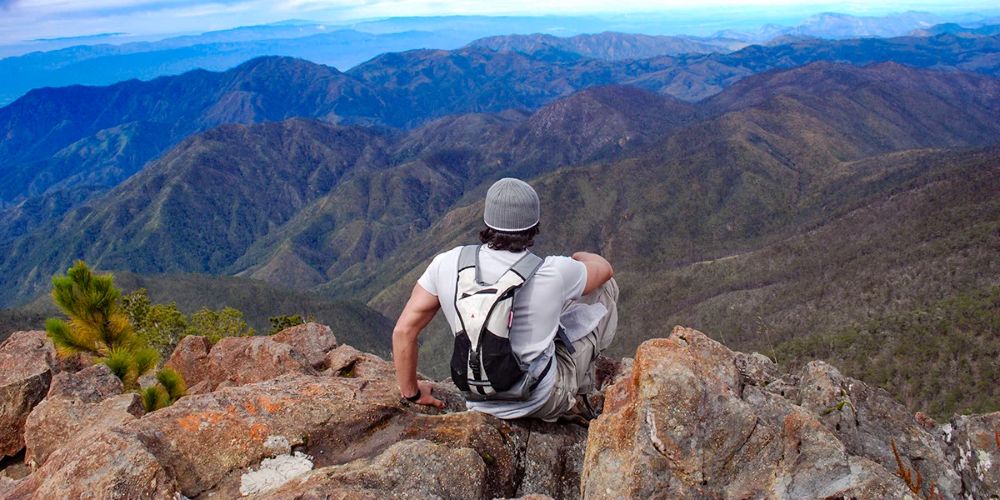
- Valle Nuevo – Manabao – Pico Duarte: a mountain corridor linking protected areas of the Central Mountain Range with the main trails leading to Pico Duarte, the highest peak in the insular Caribbean, and the surrounding communities.
- Lake Enriquillo (southwest): a route focused on a hypersaline lake located below sea level within a national park, recognized for its endemic biodiversity and distinctive landscapes.
A structuring framework for tourism professionals
The rollout of this strategy comes at a time when tourism plays a central role in the Dominican economy. According to the World Travel & Tourism Council (WTTC), the sector contributed approximately USD 21 billion to GDP in 2024–2025, representing nearly 16.1% of the national economy, and supported more than 876,000 direct and indirect jobs.
For tourism professionals, the National Ecotourism Strategy primarily provides a clearer and more secure framework for product development. By identifying priority territories, clarifying regulations and linking conservation with local development, it facilitates the emergence of higher value-added nature, culture and adventure offerings that complement the existing beach tourism model.
More than a radical shift in direction, the Dominican Republic’s initiative reflects a desire to rebalance its tourism model. By structuring territories that have long remained on the margins of tourism flows, the country broadens its narrative and asserts a different reading of its natural and historical heritage.
In a highly competitive Caribbean context, this strategy positions ecotourism not as a marginal alternative, but as a lever for sustainable differentiation, capable of meeting the expectations of international demand in search of meaning, diversity and experiences more deeply rooted in local territories.
Photo: Visit Centroamérica