
At the beginning of each year, major international media outlets and travel platforms publish their forecasts for destinations set to shape the months ahead. For 2026, Latin America once again occupies a central place in these rankings. Titles such as The New York Times and BBC Travel highlight the region in their annual selections, often citing Mexico, Costa Rica, the Dominican Republic, and Chile, through a variety of cities and territories.
Beyond the well-known names, these lists reflect a deeper trend: destinations that expand offerings, relieve pressure on traditional hotspots, and propose new ways to explore the continent are gaining visibility.
Costa Rica: Osa and Expanding Nature Offerings
Costa Rica stands out for its ability to go beyond its busiest routes. The Osa Peninsula emerges as an alternative to the more crowded Pacific coast, combining wide beaches and protected areas where biodiversity remains dominant. Corcovado National Park continues to attract travelers interested in wildlife observation and low-density hiking, while the waters around Caño Island strengthen the region’s appeal for snorkeling and diving, thanks to their reefs and marine richness.
Brazil: Inhotim and Minas Gerais on the Cultural Stage
Inhotim, located in Brumadinho, has become a cultural reference beyond Brazil’s coastal circuits. This museum-park, where contemporary art and botanical collections coexist, encourages longer stays and a slower discovery of the territory. Its twentieth anniversary and associated programming reinforce its place in the national cultural calendar.
Minas Gerais complements this dynamic with Belo Horizonte, where gastronomy and emerging wine projects enrich the region’s architectural and cultural identity, offering a travel approach centered on culture and territory.
Dominican Republic: Santo Domingo and Miches
The Dominican Republic appears in the selections for two complementary dynamics. Miches, north of Punta Cana, gains visibility through new hotel projects and easier access to natural spaces such as Los Haitises National Park. Its quieter coastline and proximity to protected areas place it on the periphery of the most visited Caribbean destinations.
Santo Domingo offers an urban perspective. Renovation projects in the colonial center and preparations for the Central American and Caribbean Games strengthen its role as a cultural and event hub by 2026.
Mexico: Querétaro and Loreto, Emerging Hubs
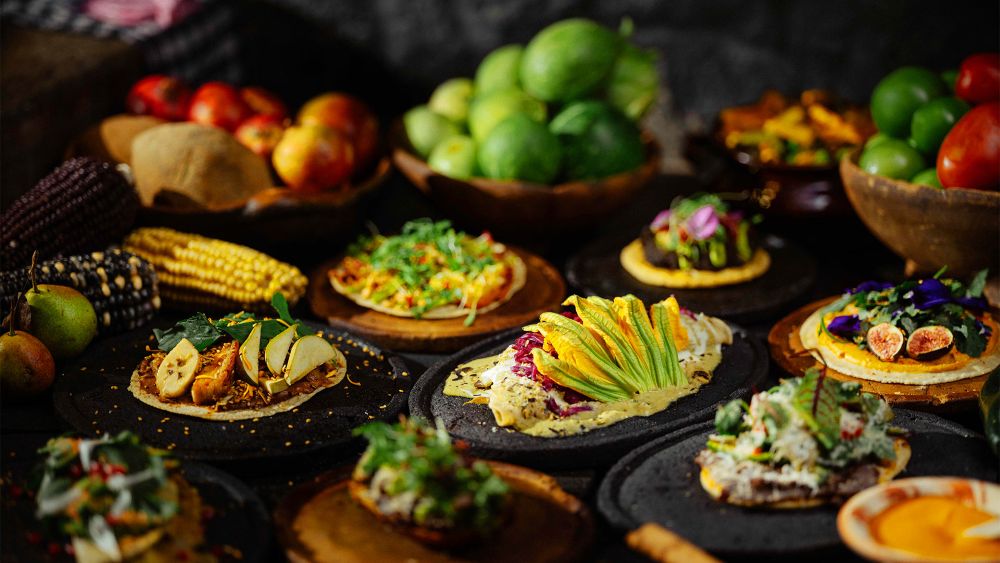
Mexico’s presence reflects a desire to broaden its tourism narrative. Querétaro gains recognition for its historic center and cultural offerings related to wine routes and local gastronomy, complemented by nearby villages suitable for short, easily combinable excursions.
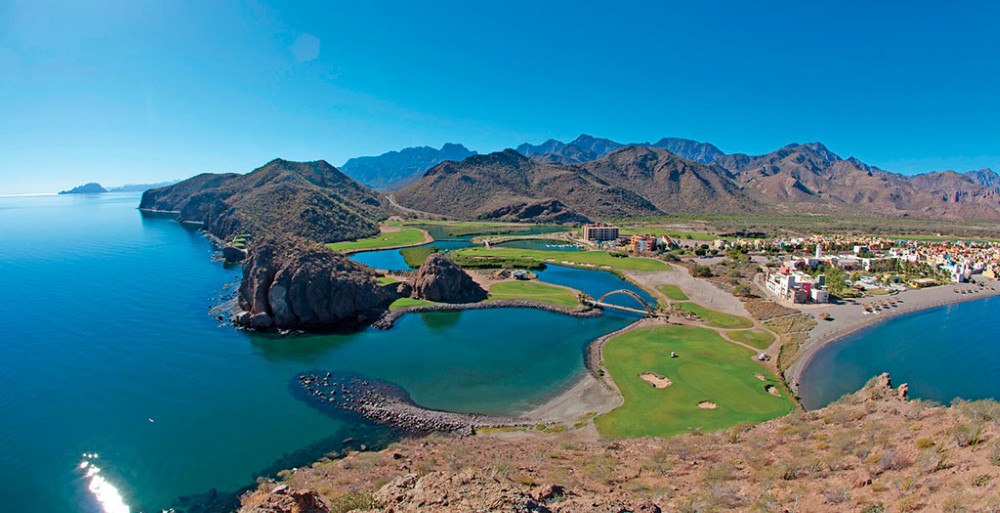
Loreto, in Baja California Sur, establishes itself as a calmer alternative in the Gulf of California. Wildlife encounters, coastal navigation, and trails in the Sierra de la Giganta provide a nature-focused, low-density experience, in contrast with the country’s better-known resorts.
You may also like: Los Cabos : Harmonie Entre Nature et Luxe au Cœur de la Basse-Californie
Uruguay: Sustainability, Heritage, and Diverse Experiences
Uruguay comes into focus with Montevideo as the gateway, blending port heritage, culinary traditions, and urban life. The offering extends to Colonia del Sacramento, renowned for its heritage, and to coastal areas like Cabo Polonio, where beaches, dunes, and lagoons frequented by flamingos create landscapes associated with measured tourism. Overall, responsible practices and attention to local communities occupy a central place in the international discourse around the country.
Chile: Raw Nature and Wine Routes
At Chile’s southern extreme, Cape Froward is highlighted for its demanding trekking routes, aimed at travelers seeking long journeys along exposed coasts and vast landscapes. The opening of a new national park in the area supports the diversification of adventure tourism at the southern tip of the continent.
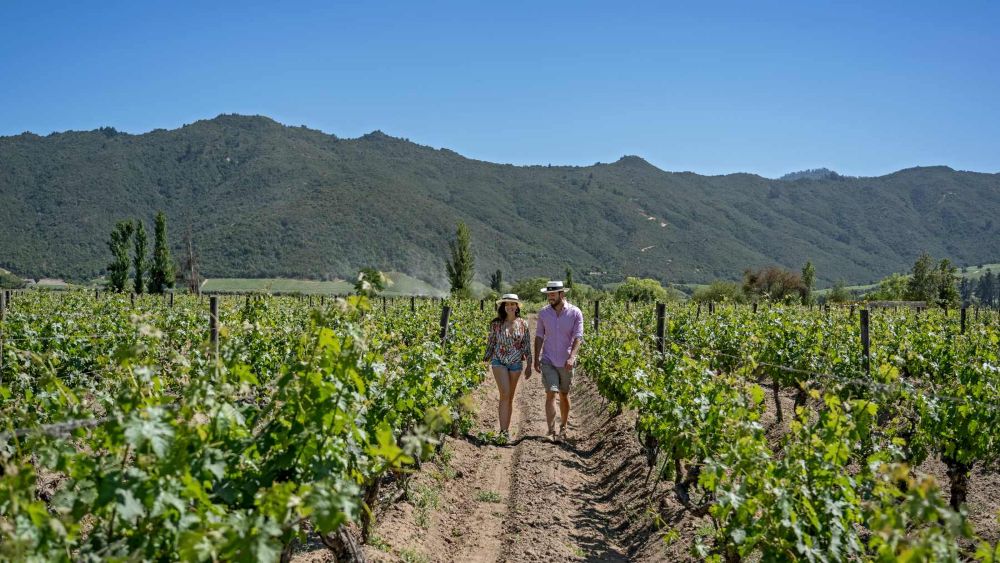
The Colchagua Valley also appears in the selections, underlining the strength of Chile’s wine sector. Historic estates, vineyards, and new lodging projects combine wine, gastronomy, and outdoor activities, offering both a qualitative view of production and the local rural identity.
Taken together, these choices confirm that Latin America is not only on the international radar but is gradually reshaping its tourism balances. The highlighted destinations go beyond the most established names, revealing territories that expand offerings, redistribute flows, and propose new ways to explore the region.
Beyond these selections, many countries and regions remain to be discovered throughout the year.
Photos: Gobierno de México | Chile es tuyo