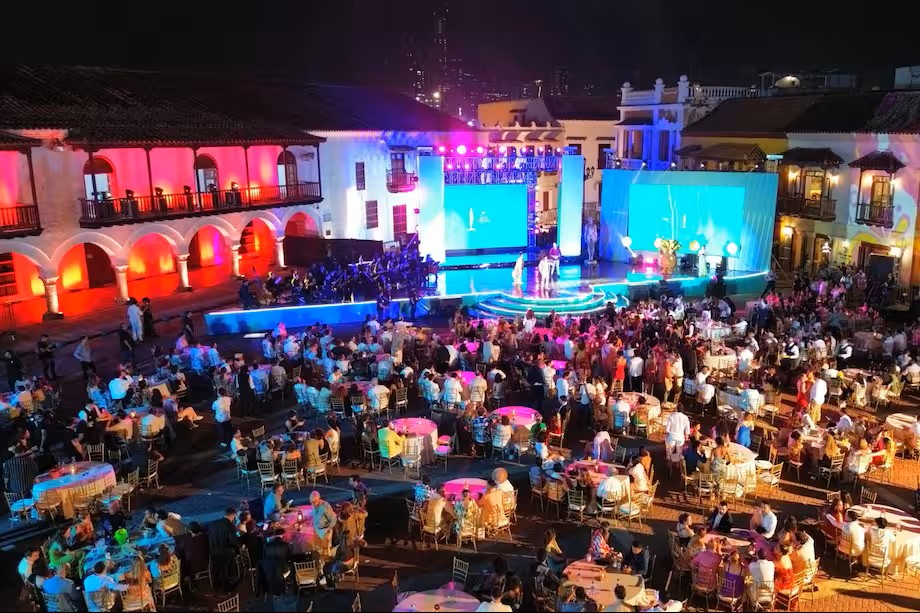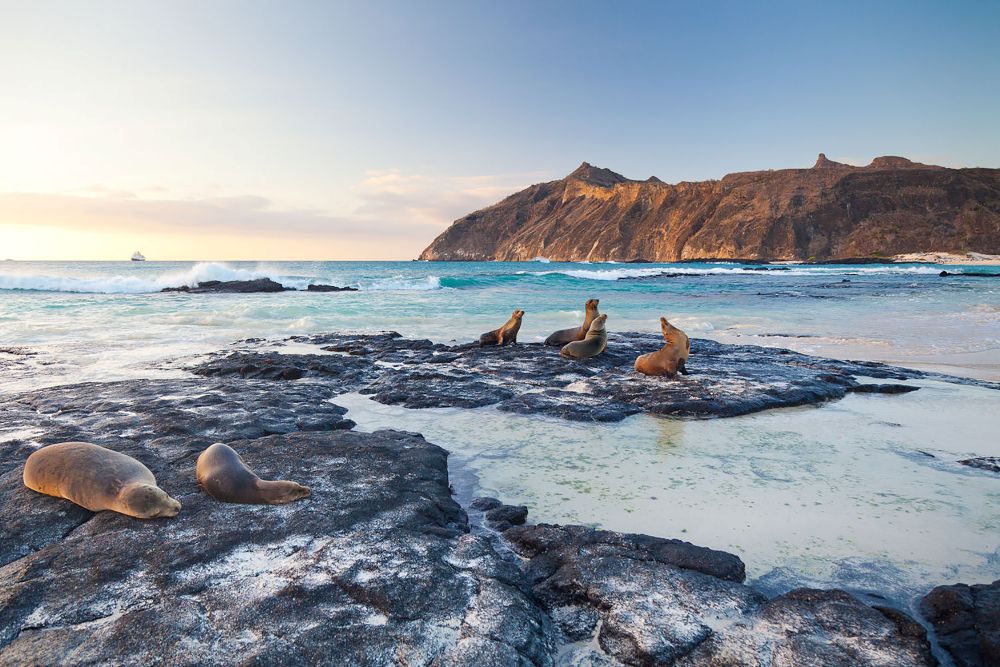
In Galápagos, tourism is never conceived as a simple sightseeing activity. Every visit is part of a broader framework: that of actively protecting one of the most fragile ecosystems on the planet. This approach has just been recognised internationally: Galápagos National Park has received the 2025 Impact Award for Conservation, granted by Regenerative Travel.
This distinction highlights a tourism model where visitor numbers become a lever for preservation rather than an additional pressure on natural environments.
Recognition focused on tangible impact
The award is part of the Regenerative Travel Impact Awards, which every year highlight tourism initiatives capable of demonstrating measurable environmental and social results. The focus is not on intentions or discourse, but on observable actions: protection of biodiversity, involvement of local communities, clear governance, and the ability to embed measures for the long term.
In the case of the Galápagos, the distinction applies to systems in which tourism activity directly contributes to conservation, integrating visitor flow management, ecosystem restoration and visitor responsibility.
Shared-rule governance
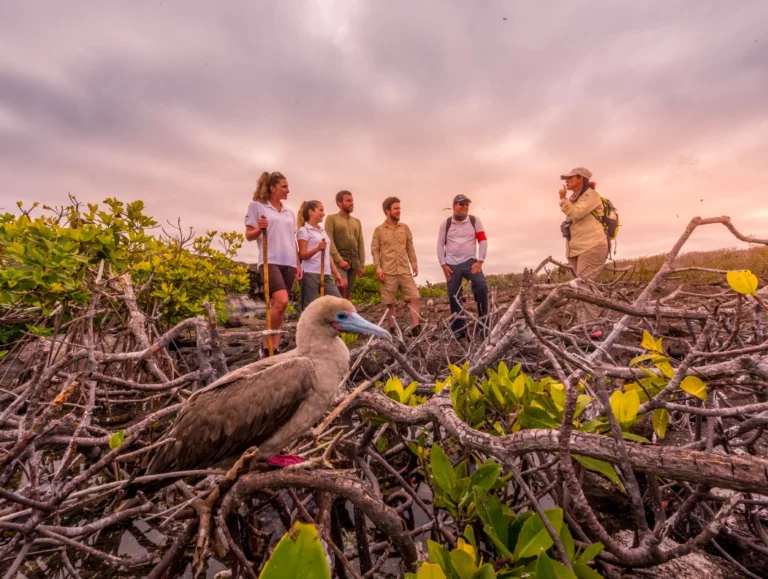
One of the pillars of this approach is the Visitor Code of Conduct, developed through a collective effort bringing together park authorities, naturalist guides, tour operators and community representatives. This framework lays out precise rules for behaviour regarding wildlife and landscapes, and clearly defines everyone’s responsibilities.
The aim is twofold: limiting the direct impacts of tourism and turning each visitor into a conscious protector of the islands rather than a mere observer.
Our article: Tourism in the Galapagos: preserving the fragile balance
Practices that go beyond impact reduction
Park management is not limited to containing visitor numbers. It integrates regenerative principles into all authorised activities: planning of itineraries to avoid saturation of sensitive sites, restoration of degraded areas, continuous scientific monitoring, and involvement of local stakeholders in operational decisions.
This approach also relies on long-term partnerships with recognised institutions such as the Charles Darwin Foundation and the Galapagos Conservation Trust, ensuring alignment with Ecuador’s commitments to UNESCO.
Direct benefits for local communities
This model also benefits the inhabitants of the archipelago. Naturalist guides receive continuous training and play an active role in designing itineraries and experiences. Tourism operators adopting responsible practices can obtain internationally recognised certifications, strengthening their visibility and competitiveness in markets sensitive to environmental issues.
Tourism thus becomes a source of skilled employment and a tool for transmitting knowledge rather than an activity disconnected from local realities.
In Galápagos, sustainability is no longer a distant promise: it forms the very foundation of the visitor experience. The award received in 2025 does not celebrate an abstract concept, but a concrete way of understanding tourism as an extension of ecosystem protection. In a context where traveller expectations are changing and pressure on natural areas remains high, the archipelago reminds us that travel can be both discovery and commitment, leaving a trace that goes far beyond the time spent on the islands.
Photos: Ministerio de Turismo Ecuador | D.R