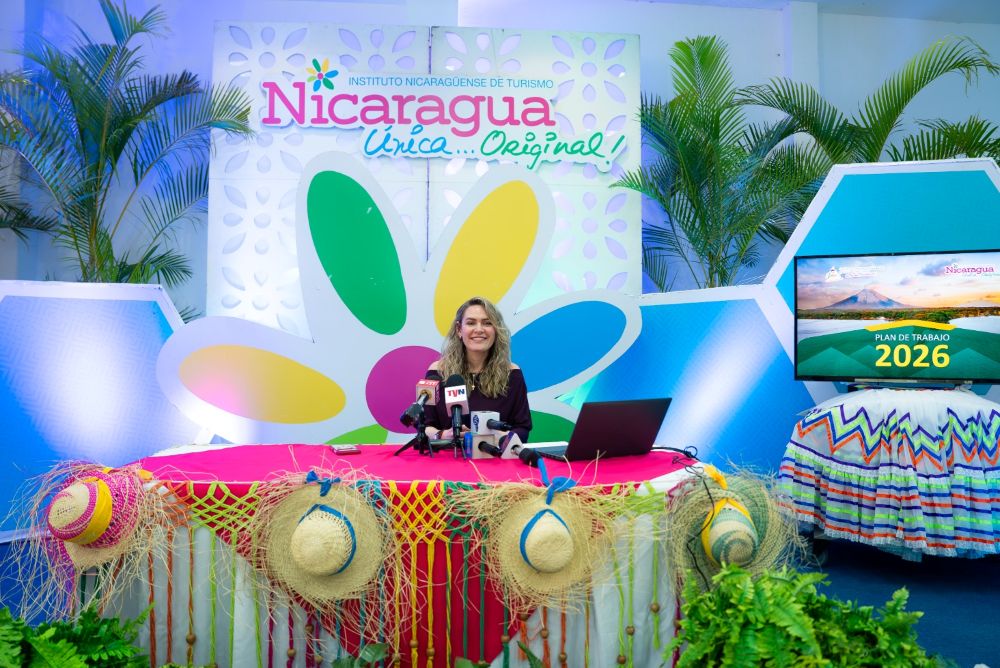
Nicaragua enters 2026 with a clearly stated ambition: to gain visibility, coherence, and hospitality capacity on the international tourism stage. To achieve this, the Nicaraguan Institute of Tourism (INTUR) presented its 2026 Work Plan, unveiled in Managua by its co-director, Mara Stotti. This roadmap is based on seven strategic pillars aimed at strengthening the country’s position as a safe, competitive, and growing destination in international markets.
A strong tourism identity, locally and internationally
Promotion is the cornerstone of this strategy, with a dual objective: consolidate Nicaragua’s presence in the domestic market while increasing its international exposure.
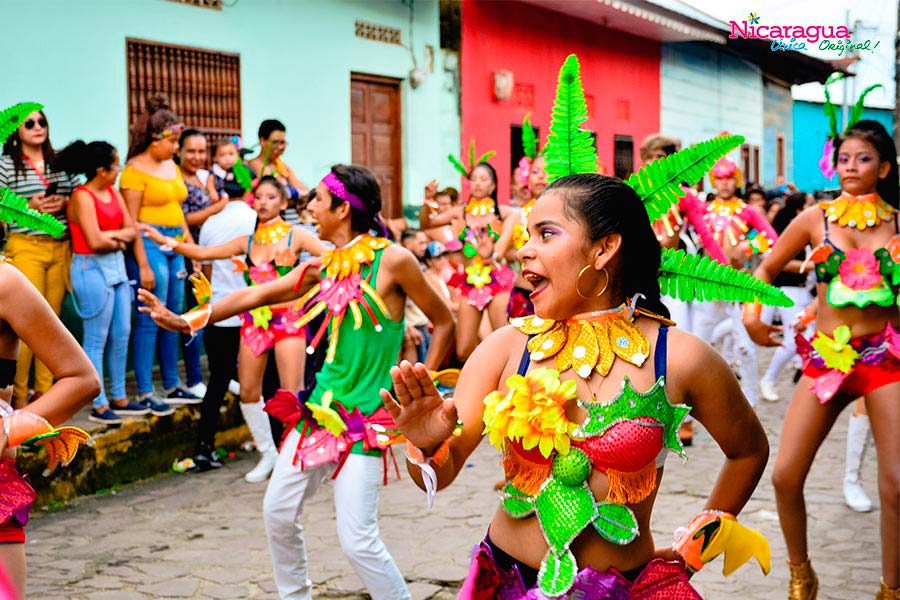
Nationally, over 530 events are scheduled for 2026, including fairs, festivals, and cultural and sports gatherings, distributed across the country. This initiative aims to energize destinations beyond established hubs and stimulate domestic tourism flows.
Internationally, 124 targeted actions are planned, combining participation in trade fairs, digital campaigns, familiarization trips for operators and media, and strategic partnerships with the Central American Tourism Promotion Agency (CATA). The goal is clear: position Nicaragua as a multidimensional destination, capable of integrating into regional itineraries while highlighting its unique features.
Diversifying the offer and structuring new routes
To cater to diverse traveler profiles, the plan focuses on creating new tourist routes and corridors, updating destination maps, and launching 16 new tourism products. The approach emphasizes experiences built around the country’s natural and historical resources, connecting rural, coastal, and less-visited areas.
Simultaneously, INTUR aims to highlight emerging destinations with a complementary approach between territories. Volcanoes, lakes, tropical forests, and adventure activities are designed as interconnected elements within more structured itineraries, capable of extending stays and redistributing visitor flows.
Our article: Chinandega: volcanoes, coasts and a still little-known Pacific territory
Infrastructure and sector skill development
The strategy also relies on investments to strengthen the competitiveness of the tourism offer. Several projects are underway: improvement of theme parks, recreational spaces, and public areas linked to visitor experience, accompanied by public and private investment incentives.
Our article: Nicaragua: a new coastal route reshaping access to the Pacific
At the same time, INTUR will implement training programs targeting over 13,000 tourism actors, in coordination with technical education institutions. The goal is to raise service standards, professionalize providers, and strengthen hospitality capacities nationwide.
Local value chains and territorial coordination
Another pillar of the plan is strengthening links between tourism and the local productive sector. Business meetings, sector exchanges, and events are planned to integrate small local businesses into tourism value chains.
The “Presence and Direct Communication” initiative will intensify field visits, working groups, and exchanges with local entrepreneurs. This approach aims to improve coordination between INTUR, municipalities, and public and private institutions, ensuring better information flow between national and local levels.
Beyond the volume of announced actions, this plan reflects a clear intent: to regain control of tourism development rather than letting dynamics evolve in a fragmented way. The strategy seeks to bring together long-dispersed actors, integrate marginalized territories, and view tourism as both an economic and cultural lever.
If this coordination endures, 2026 could mark a turning point beyond a successful season: a better-structured, more legible Nicaraguan tourism capable of supporting gradual and balanced growth.
Photos : INTUR