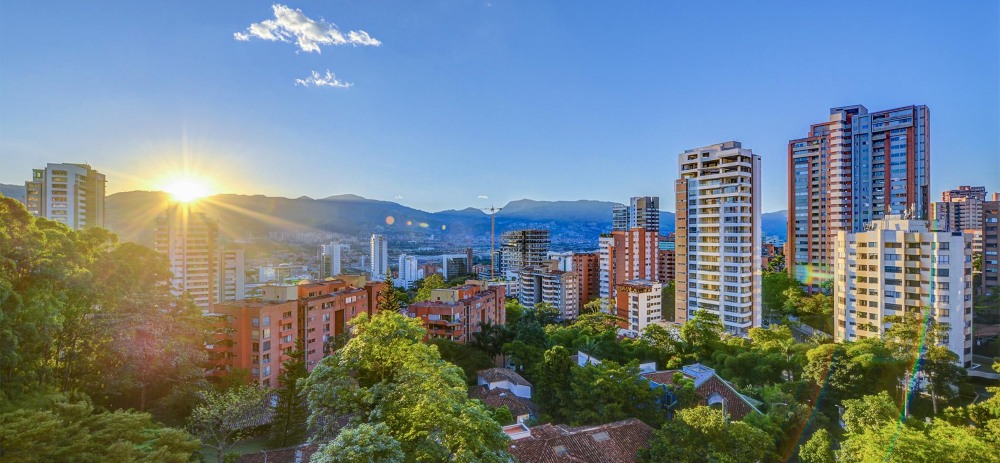
Medellín is entering a new phase in its tourism development. After a decade marked by visible urban transformation and strong international exposure, the challenge is no longer just attracting visitors, but organizing the flow. With its 2026 roadmap, presented by the Greater Medellín Convention & Visitors Bureau, the destination seeks to stabilize growth, refine target markets, and consolidate its reputation in an increasingly competitive global environment, ahead of major media events such as the 2026 World Cup.
Rather than an all-out expansion, the plan proposes a more selective approach: better target segments compatible with the existing offer, encourage longer stays, and distribute visitor flows beyond the capital alone.
A Clear City–Region Strategy
Analyses from ProColombia and international reports confirm evolving expectations: demonstrable sustainability, authentic local experiences, urban–nature combinations, wellness, and heritage. Medellín addresses these trends by consolidating its role as an urban hub: events, gastronomy, creativity, entertainment; while the department of Antioquia expands the experience through its heritage towns, coffee landscapes, nature reserves, and community tourism initiatives.
This coordination is not new, but it is becoming central. The objective is clear: extend the average length of stay and reduce the concentration of flows in the city alone. Antioquia is no longer presented as a peripheral extension, but as a structuring lever in the territorial narrative.
Our Article: New Routes, New Dynamics: The Rise of Colombian Regions
Targeted Markets in a Strategic Year
Promotion will focus on markets less sensitive to political cycles and more motivated by the quality of the experience. The United States and Canada remain priorities, especially for leisure, wellness, bleisure, and extended-stay segments. In Western Europe, Germany, France, Spain, and the United Kingdom are key markets, with sustained interest in urban transformation, heritage, and sustainability.
The challenge is not to expand the map of markets, but to optimize those already identified as consistent with the city–region proposition.
You Might Like: Bleisure: When Business Trips Turn into Unforgettable Experiences
Promotion Based on Tangible Experiences
A central pillar of the plan relies on integrated Medellín + Antioquia promotion, in line with the global trend of itineraries combining city, nature, and local communities. Participation in international fairs and trade agendas with tour operators and event organizers will be strengthened, but with messaging more focused on demonstrable experiences.
The strategy emphasizes real testimonials, identifiable projects, and measurable results rather than slogans. In a context where international reputation can change quickly, credibility becomes a key factor.
Technology, Sustainability, and Strategic Segments
The plan integrates tourism intelligence tools to analyze behaviors, adjust campaigns, and measure performance in real time. It also reinforces the adoption of sustainability certifications and the Bureau’s Legacy Program, designed to ensure that events generate concrete social and environmental impacts.
Priority segments include MICE, cultural and creative tourism, wellness, slow travel, as well as sports and entertainment—levers considered essential to reduce seasonality and maintain occupancy year-round.
Rather than multiplying new initiatives, the 2026 roadmap relies on already identified experiences: coffee routes in southwestern Antioquia, heritage towns such as Santa Fe de Antioquia and Jardín, gastronomic circuits rooted in regional identity.
In a continental context where competition is intensifying, Medellín and Antioquia are less focused on increasing visibility than consolidating their model. Competitiveness is no longer only about notoriety, but about the ability to structure growth, distribute tourist flows, and maintain territorial coherence over the long term.
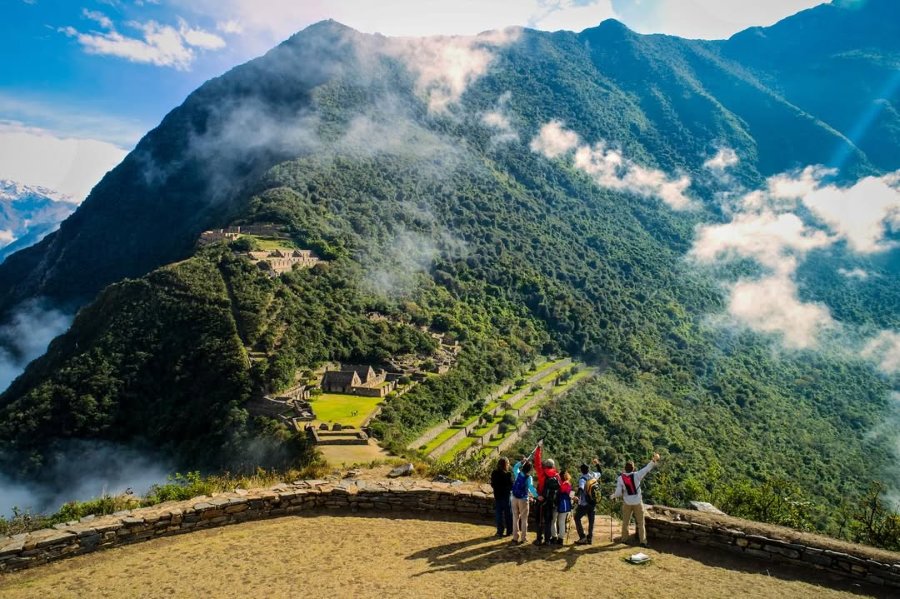
Photo: Colombia Travel