
It takes just a few notes for the atmosphere to change. In many celebrations across Latin America, and beyond, merengue has this power: to make dancers rise almost instinctively.
Born in the Dominican Republic, this rhythm has widely crossed the island’s borders. From popular dances to international stages, it has become one of the most recognizable musical expressions of the Caribbean and a symbol of Dominican culture.
A rhythm born in the countryside
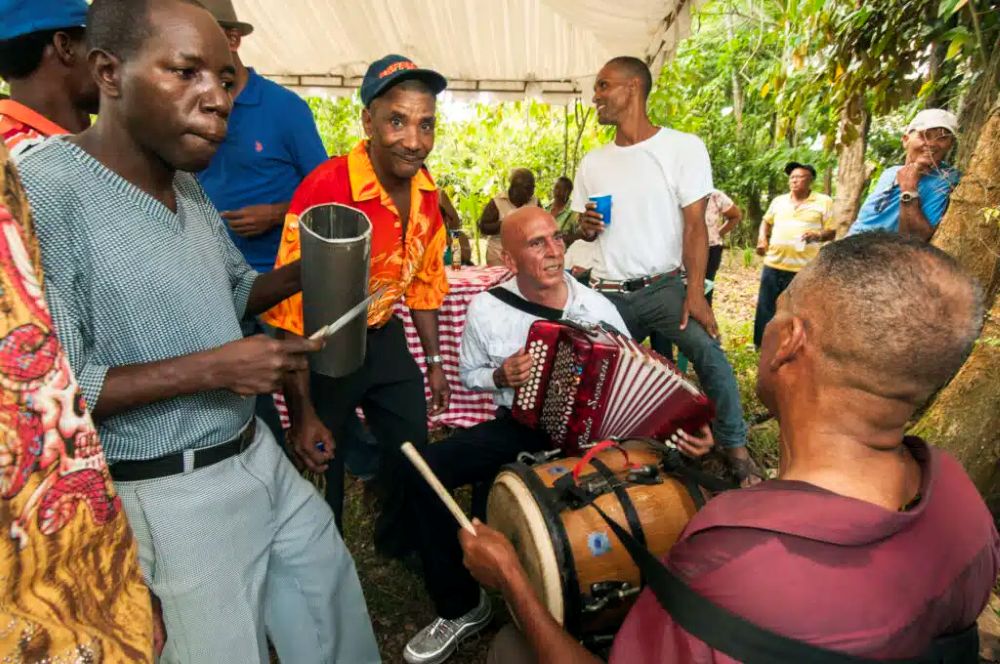
The origins of merengue date back to the 19th century, when it began to develop in the rural communities of the north, particularly in the Cibao region. From its earliest forms, it reflected a meeting of several traditions: African influences providing the rhythmic foundation, and European elements visible in its musical structure and some instruments.
In its beginnings, merengue was performed with string instruments like the tres and the cuatro at rural gatherings and popular festivals. Gradually, the instrumental ensemble that would define traditional merengue —also called perico ripiao— took shape: the tambora, a double-headed drum of African origin that marks the pulse; the metal güira, which keeps the rhythm; and the accordion, introduced by German merchants, which carries the melody.
From popular music to a national symbol
For a long time, merengue was associated with the working classes and rural festivities. Its trajectory changed with the rise to power of Rafael Leónidas Trujillo (1930–1961). The dictator made it the music of official events and public celebrations, helping to establish it throughout the country.
Radio, state-organized dances, and support for orchestras contributed to this spread. Gradually, merengue moved from the countryside to salons and large dance halls.
Musicians like Julio Alberto Hernández adapted perico ripiao to a salon format performed by large orchestras inspired by big bands, while keeping its original rhythmic base. Groups such as Santa Cecilia and San José contributed to the rise of this orchestral merengue, which quickly gained popularity both nationally and internationally.
An international expansion
From the second half of the 20th century, merengue went global. Dominican migration to cities like New York played a major role in spreading it in the United States, where diaspora communities popularized the genre through radio, clubs, and festivals.
The 1970s and 1980s —often considered its golden age— saw artists like Johnny Ventura, Wilfrido Vargas, Sergio Vargas, Fernando Villalona, and Los Hermanos Rosario bring this rhythm to major stages across Latin America.
Merengue has also shown remarkable adaptability. Artists like Juan Luis Guerra gave it renewed international reach by blending it with jazz, pop, and bachata. More recently, some productions have integrated urban music influences: artists such as Karol G, Manuel Turizo, or the duo Zion & Lennox have reimagined this rhythm in contemporary tracks, keeping merengue alive on today’s dance floors.
In 2016, Dominican merengue was inscribed on UNESCO’s Representative List of the Intangible Cultural Heritage of Humanity, recognizing its central role in the country’s cultural identity.
A rhythm made for dancing
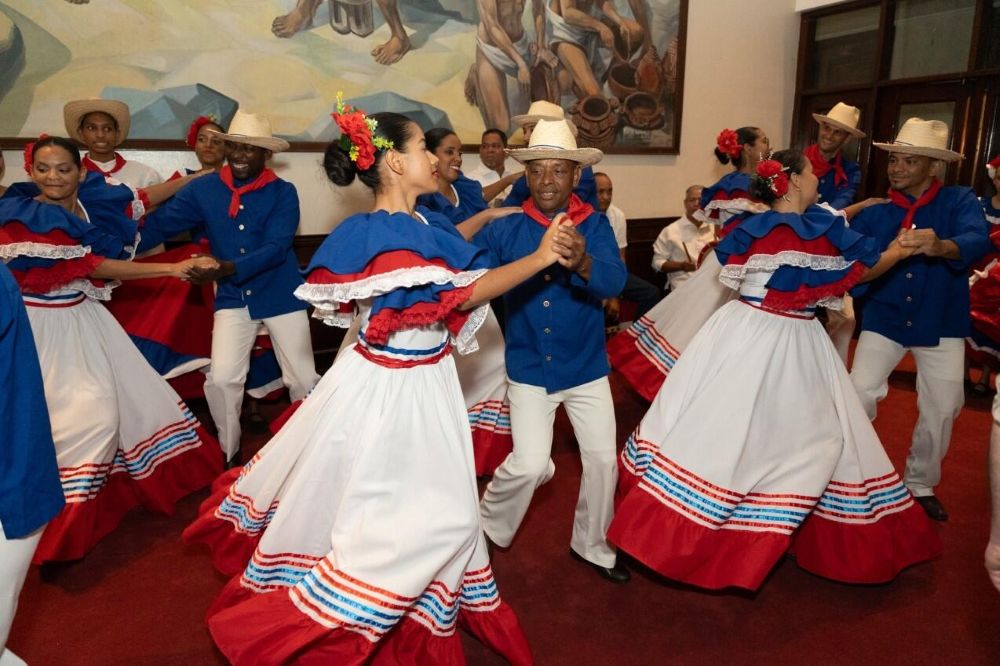
Merengue is also defined by its dance. The steps are relatively simple: couples move with small, rhythmic hip motions, following the beat of the tambora and güira. This simplicity explains much of its popularity, allowing people of all ages to join the dance floor easily.
At popular events, folkloric merengue variants are also performed, linked to local and cultural traditions. These forms, often more choreographed, appear especially at festivals dedicated to the genre, such as the Santo Domingo Merengue Festival or Puerto Plata’s festival.
More than a century and a half after its first notes in the rural communities of Cibao, merengue continues to set the rhythm of Dominican life. It is heard in carnivals, concerts, neighborhood bars, and international stages, always maintaining the same essence: music that invites gathering and dancing.
Photos: D.R | Ministry of Culture of the Dominican Republic