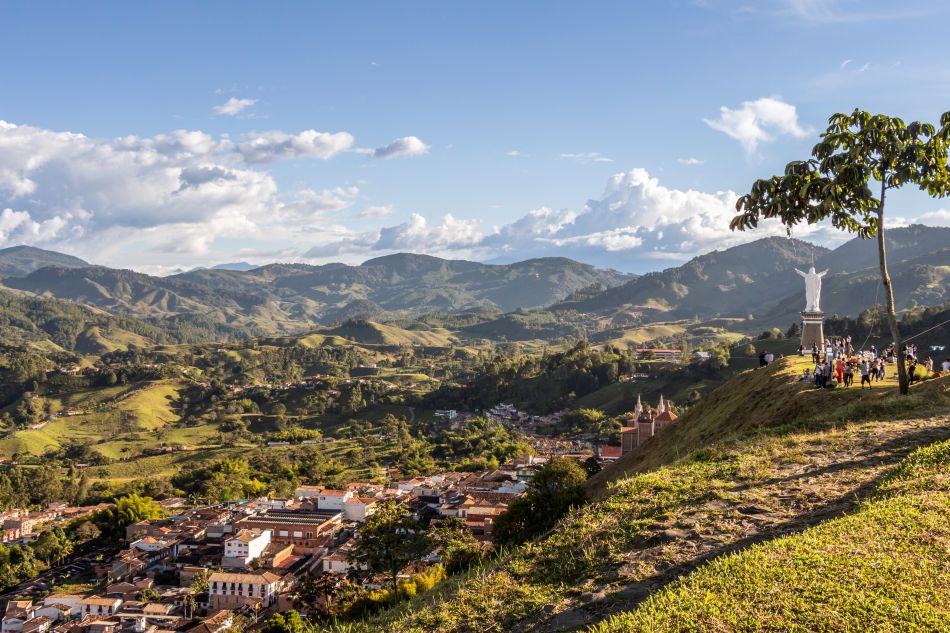
Colombia is gradually expanding its tourism map beyond its traditional destinations. According to a study carried out by the Ministry of Commerce, Industry and Tourism, ProColombia and Cotelco (the Colombian Hotel Association), between 2019 and 2025 five emerging departments — Antioquia, Bolívar, Cauca, Nariño and Tolima — recorded sustained growth in connectivity, structuring of the tourism offer and visitor arrivals. This momentum is not only transforming the travel experience, it is also placing territories long overlooked onto national and international radars, revealing new routes as well as cultural and natural attractions that enrich the country’s offering.
The growth of tourism in Colombia is reflected in solid numbers: between January and October 2025, 4.9 million non-resident visitors entered the country, an increase of 5.2% compared to the same period in 2024. This evolution goes hand in hand with a strong formalization of the sector: nationwide, the number of providers holding an active National Tourism Registry (RNT) rose from 43,209 at the end of 2019 to nearly 114,000 in June 2025, representing an average annual growth of 17.5%. In this context, certain regions are showing results that surpass long-established destinations like Bogotá or Cartagena, helping bring new narratives to the industry.
You may also like: Bogotá, Colombia’s energy at the top of the Andes
Antioquia: modernity and tradition
Connected by a rapidly growing tourism network, this department allows visitors to combine urban and rural experiences far beyond Medellín. Santa Fe de Antioquia charms with its colonial architecture and the Puente de Occidente, an unmissable historical landmark. Jardín stands out for its colorful cobbled streets, central church and opportunities to explore nearby coffee plantations and natural reserves. Jericó, birthplace of religious and craft traditions, invites discovery of museums, ceramics workshops and cultural festivals that highlight local identity.
Our article: Jardín, a concentrate of Colombia!
Bolívar: destinations steeped in history
Although Cartagena de Indias remains the department’s international icon, Bolívar offers many other experiences for those seeking cultural and heritage tourism. Mompox immerses visitors in a 17th-century atmosphere with its colonial churches, quiet squares and the Magdalena River flowing along the town. San Basilio de Palenque showcases Afro-Colombian heritage through music, dance and a unique gastronomy. Together, these locations create routes that combine history, traditions and river landscapes.
You may also like: Mompox: Journey to the Heart of Colombian Heritage
Cauca: cultural routes and living heritage
Cauca surprises with the richness of its heritage and the vitality of its traditions. Popayán, the “White City,” offers a journey through colonial squares, ancient churches and Holy Week processions that attract visitors each year from Colombia and abroad. Silvia and the Guambía Indigenous Reserve offer insights into the daily life of the Misak people, including craft markets, textiles and ancestral ceremonies. Between mountains, rivers and historic villages, the department provides experiences deeply connected to local identity.
Nariño: landscapes shaped by borders
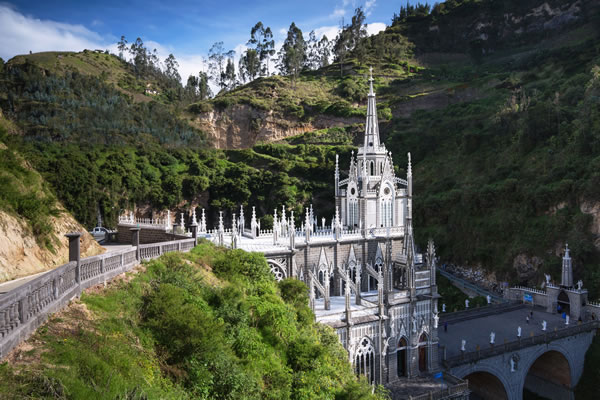
In the south, Nariño stands out for the strength of its landscapes and its proximity to Ecuador and Peru, making it a strategic corridor for cross-border tourism. Pasto attracts with its colonial architecture, the Carnival of Blacks and Whites and the nearby Sanctuary of Las Lajas. Around Ipiales, volcanoes, lagoons and mountain roads open routes linking neighboring markets.
Tolima: escapes between nature and tradition
Tolima has also distinguished itself through the rapid structuring of its tourism offer, with strong growth in registered service providers and continuous improvements in land and air connectivity. Ibagué, gateway to the department, combines lush landscapes, local gastronomy and cultural offerings that extend into surrounding municipalities, where rivers, mountains and natural reserves encourage stays blending relaxation, adventure and authentic encounters.
The emergence of these departments reveals a transformation that is both subtle and structural: Colombian tourism is no longer concentrated in just a few hubs, but is beginning to function as a network of interconnected territories, where the diversification of experiences becomes a key factor for competitiveness. This shift broadens options for travellers, who can now design more complete itineraries that uncover the multiple faces of Colombia.
Photos: Bruno M Photographie | Colombia Travel