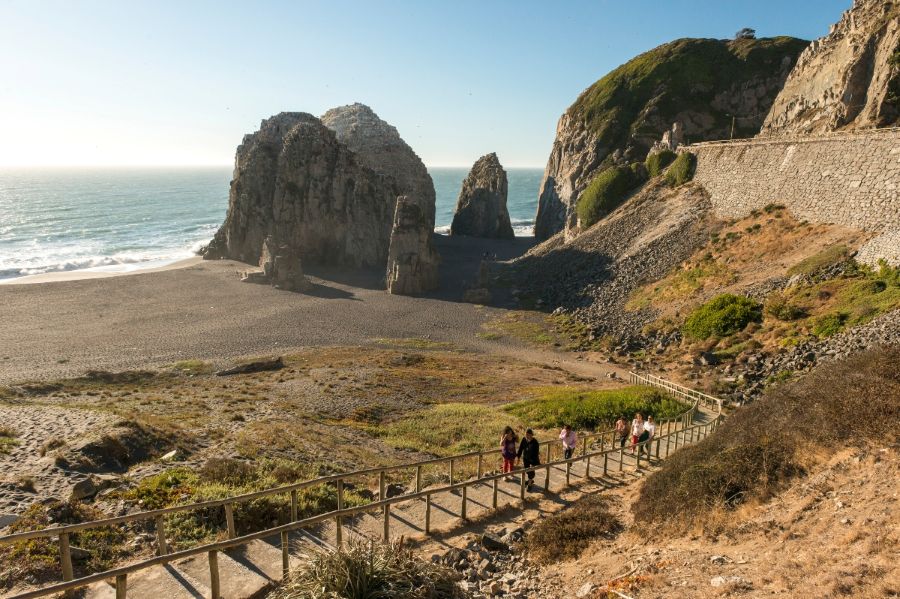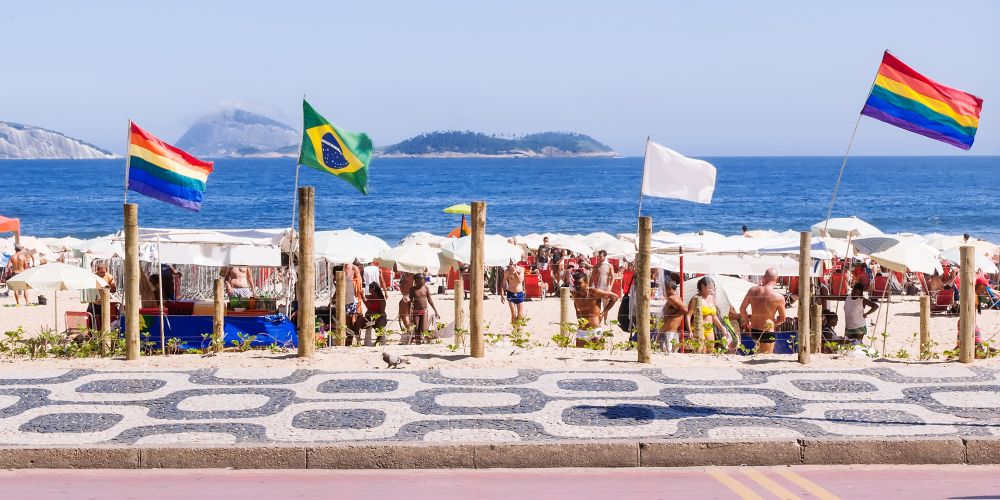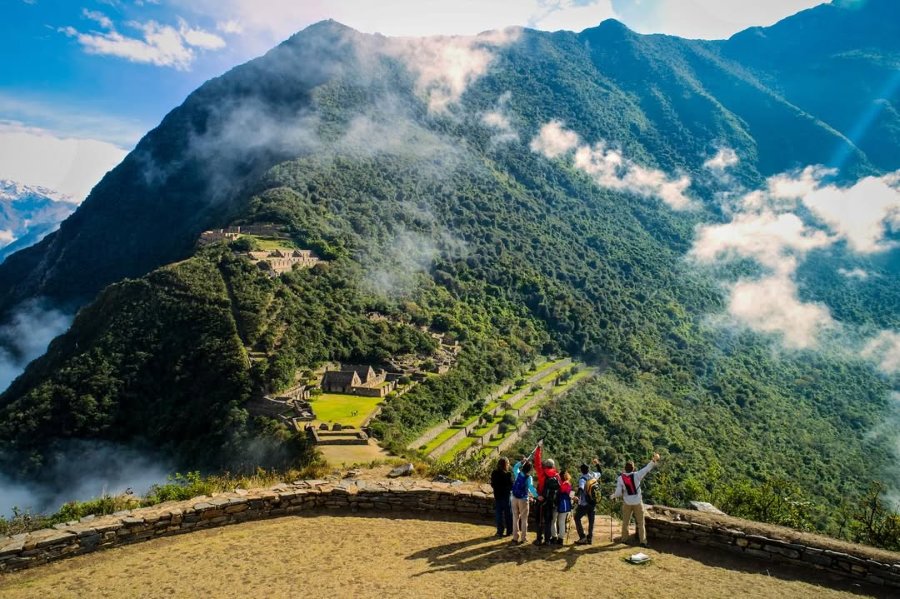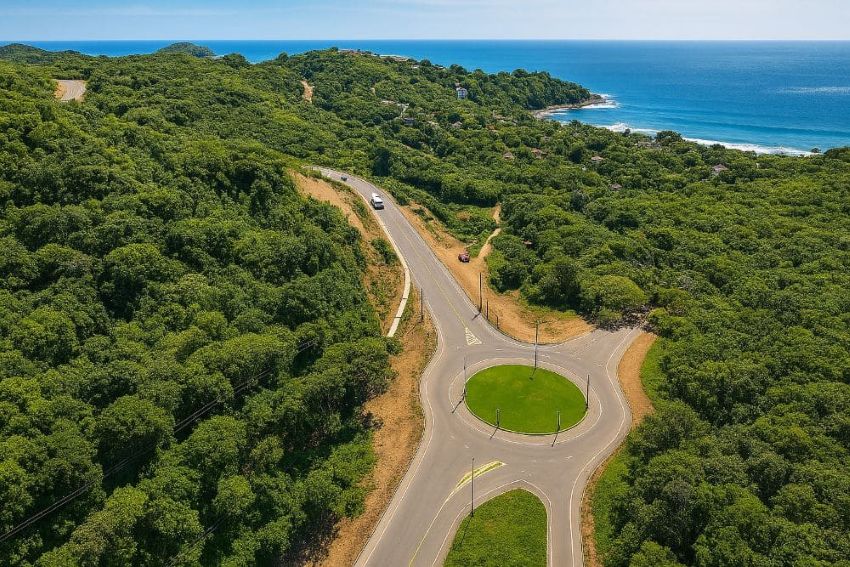
Between gentle cliffs, long stretches of sand and one of the country’s most renowned coastal areas, Nicaragua has inaugurated the first 30 kilometers of its new coastal highway. This initial section, linking El Naranjo to Playa El Remanso, marks a major step forward: it shortens travel times and strengthens the connection with Costa Rica. In a country where mobility has long constrained development along the iconic beaches of the southern tourist corridor, this new infrastructure opens a phase that could transform the Pacific coast experience.
A structuring project for coastal tourism
The first phase of the highway covers 119 kilometers, from Masachapa to the El Naranjo border, with completion expected in May 2026, according to the Minister of Transport and Infrastructure, Óscar Mojica. It is part of a broader 335-kilometer project designed to connect the departments of Managua, Carazo and Rivas. Once completed, this coastal backbone will improve access to 64 beaches, creating a coherent network between natural sites, local communities and emerging tourism hubs.
Playa Maderas: a consolidated surf classic
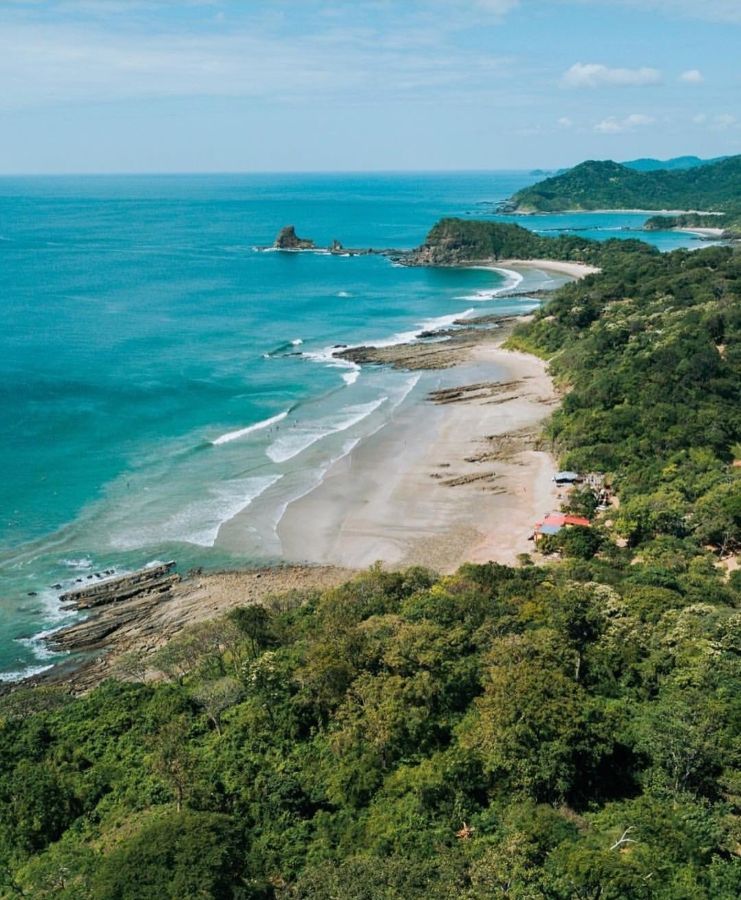
Known for its consistent waves, Playa Maderas has positioned itself as a must-visit destination for surfers of all levels. A surf-oriented community has grown around local schools, lessons and rental services, making it a regional reference point for beginners and experienced surfers alike.
Its well-preserved natural environment enhances its appeal: trails through the surrounding hills lead to native vegetation and viewpoints overlooking the Pacific. The presence of birds and small mammals adds particular interest for travelers drawn to wildlife observation.
You may also like: Surfing in Latin America: 6 spots to ride all year round
Playa La Flor: a unique conservation scene
Located within the Playa La Flor Nature Reserve, this beach is one of the most remarkable sites on Nicaragua’s Pacific coast, both for its ecological value and natural beauty. Between July and December, olive ridley turtles come here to nest in large numbers, making it one of the few places in the world where mass arrivals occur.
Ecotourism programs, led by local experts, allow visitors to observe nesting or take part in the release of hatchlings in a way that respects natural cycles. Golden sand, clear waters and tropical vegetation complete an ideal setting to explore Pacific biodiversity.
El Naranjo: a crossroads for binational tourism
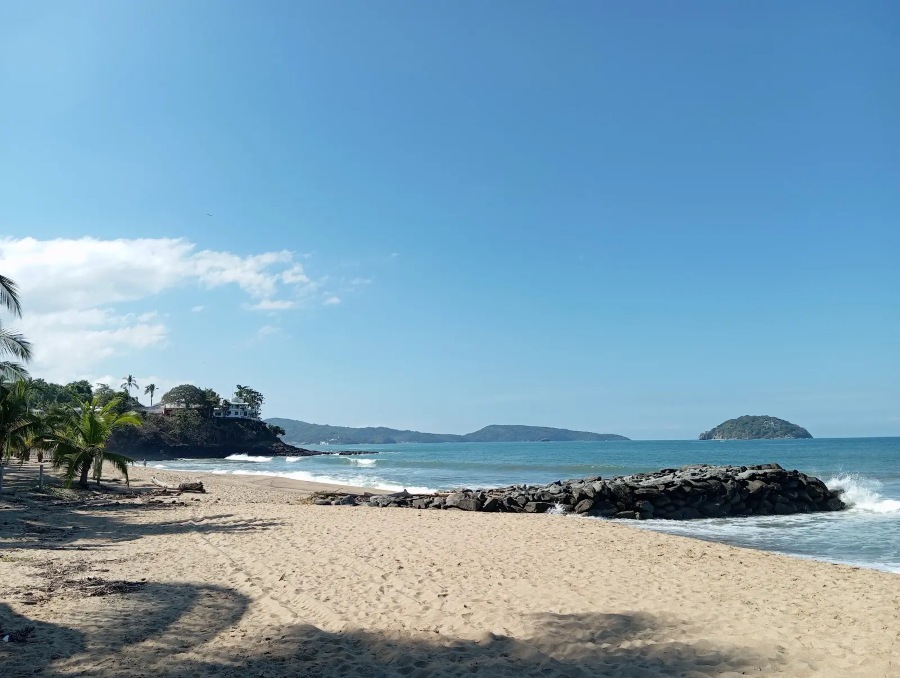
At the southern edge of Rivas, near the Costa Rican border, El Naranjo is becoming a strategic point for tourism flows between the two countries. The community maintains its tradition of artisanal fishing and offers activities such as boat trips with local fishermen or sport-fishing sessions.
Its coastline—combining sand, pebbles, rocky formations and coastal vegetation—appeals to travelers interested in wildlife observation, marine biodiversity and guided itineraries focused on ecosystem study.
A route that structures the territory
Although only the first section is currently operational, the road already offers natural viewpoints, surf stops, opportunities to observe turtle nesting and excursions in traditional boats. Each segment reveals a different facet of the coastline, with the highway acting as a guiding thread that turns travel into an exploratory journey where nature, outdoor activities and local life intersect.
Photos: Visit Nicaragua | República Federal de Centroamérica | SANDEE