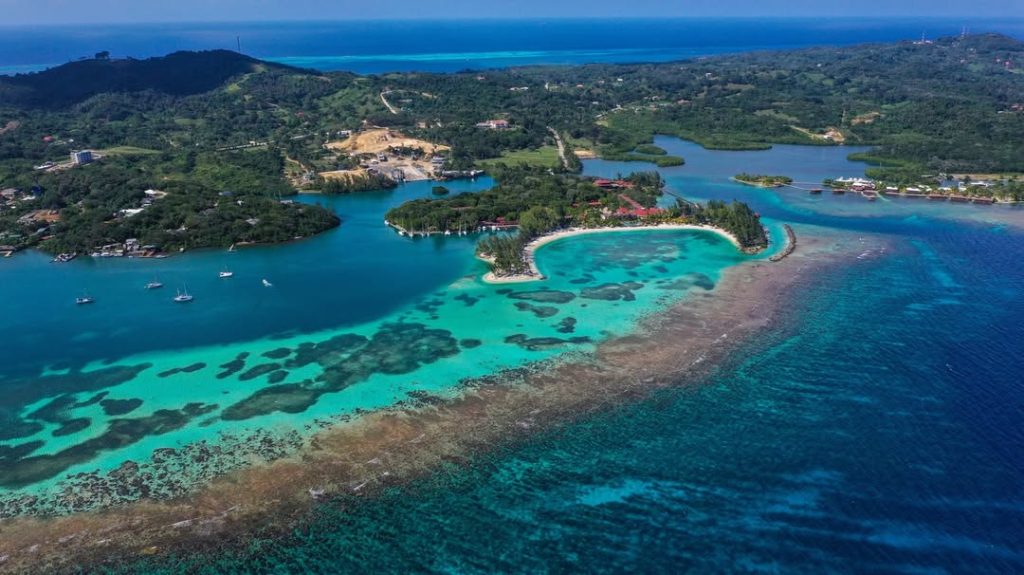
Located off the northern coast of Honduras, Roatán is part of the Bay Islands archipelago. Long marked by the passage of sailors and pirates such as Henry Morgan and Blackbeard, the island has evolved into a destination where history, nature, and Afro-Caribbean traditions converge. Its beaches, clear waters, and cultural heritage have made it an increasingly attractive point of interest for international travelers.
Human occupation on Roatán goes back more than 1,500 years, with archaeological traces dating to around 600 B.C. The territory was successively inhabited by Indigenous groups, including the Maya and the Paya, before becoming a crossroads where communities from Saint Vincent, the Grenadines, Grand Cayman, and Europe came into contact. This blend of histories gave rise to a distinctive island identity.
A Reef of Global Importance
Roatán is one of the main gateways to the Mesoamerican Barrier Reef System, the second-largest coral formation on the planet. The reef stretches for about 965 kilometers, from the Yucatán to the Bay Islands, and is home to more than 60 coral species, over 500 fish species, and a wide variety of mollusks.
This ecosystem also serves as a refuge for threatened species, including sea turtles, the Caribbean manatee, and the queen conch. Activities offered on the island — diving, snorkeling, and guided tours — incorporate educational components focused on conservation, strengthening Roatán’s role in the development of structured ecotourism.
Dolphins are another major attraction. Observation programs allow visitors to learn more about their behavior and the challenges related to their protection.
Tropical Forests, Wildlife, and Observation
Beyond the coastline, Roatán is covered in tropical forests where numerous plant and animal species coexist. Birdwatching enthusiasts can spot emblematic regional species such as the emerald hummingbird and the toucan.
Gumbalimba Park illustrates this diversity. It offers trails that lead through botanical gardens, suspension bridges, and observation areas inhabited by black iguanas, capuchin monkeys, and macaws. All visits are supervised to ensure animal protection and raise awareness among visitors.
A Deeply Rooted Garifuna Culture
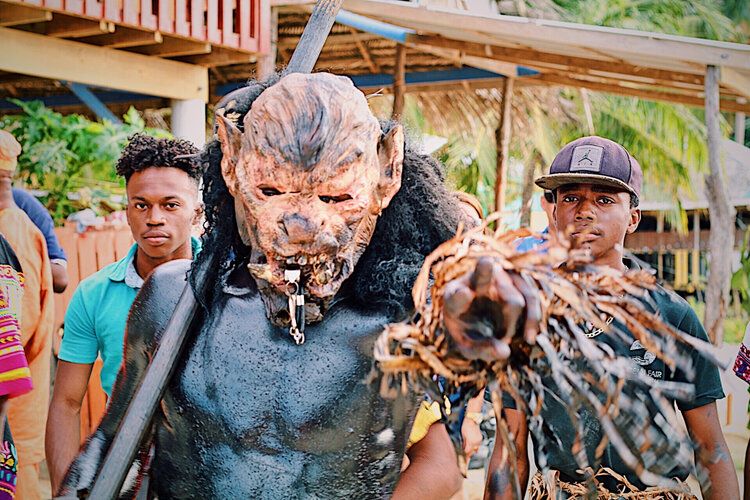
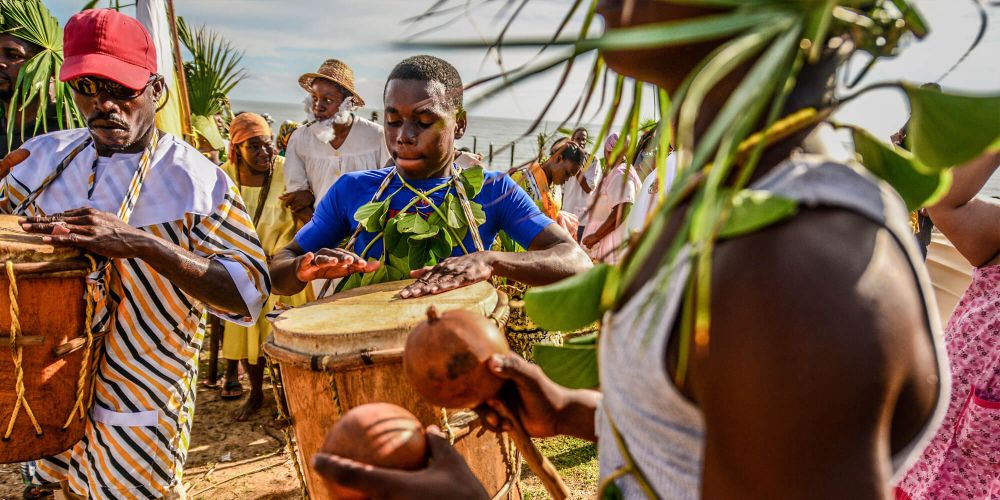
Roatán is also one of the cultural centers of the Garifuna people, who settled in Punta Gorda in 1797 after fleeing colonial domination. Their language, music, and ritual practices are recognized by UNESCO as a Masterpiece of the Oral and Intangible Heritage of Humanity.
In Punta Gorda, visitors can explore this culture through local gastronomy — hudut, machuca, and other traditional dishes — as well as through community tours recounting the village’s history. The Garifuna Ethnic Day, celebrated every April 12, remains a key moment of cultural transmission, marked by parades and ceremonies that highlight Roatán’s role in preserving this heritage.
Beyond its landscapes and cultural richness, Roatán stands out as a place where ecotourism, community initiatives, and heritage enhancement converge. For tourism professionals, the island offers significant potential for designing itineraries that combine reefs, forests, and cultural experiences.
Photos: Visit Honduras | Roatan Tourism Bureau