
Located 70 kilometres from La Paz in Bolivia, near Lake Titicaca, Tiwanaku is a historic site that has been a UNESCO World Heritage Site since 2000, and has been revealing fascinating elements of its past for some years.
The origin of the Tiwanaku or Tiahuanaco civilisation is still debated today. Many researchers and historians around the world are not sure whether the region was inhabited 12,000 years ago, 1,500 years ago or 300 years ago. Nevertheless, UNESCO places the peak of this empire between the 6th and 10th centuries AD. At that time, the territory occupied by this civilisation extended over 600,000 square kilometres, covering the high plain of Lake Titicaca, part of present-day Bolivia and northern Chile. The capital of the empire, Tiwanaku, covered 600 hectares and had between 40,000 and 70,000 inhabitants.
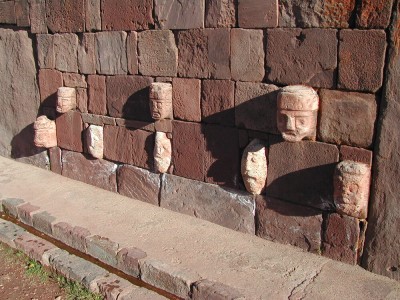
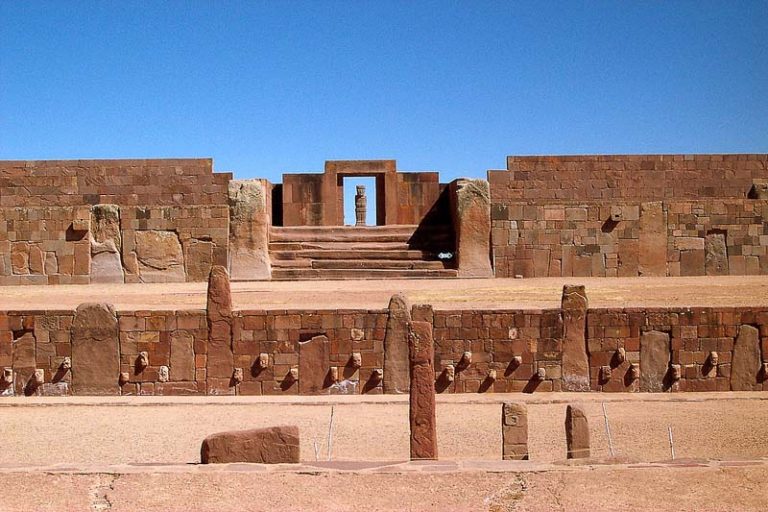
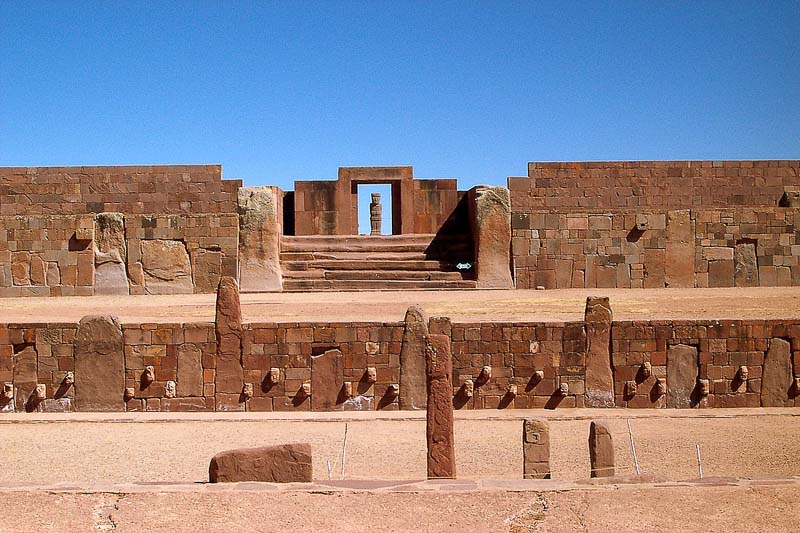
The archaeological site of Tiwanaku is home to several constructions that have unfortunately suffered damage over the years or have been looted. Among these remains, the most imposing monument is the Akapana pyramid, which once stood over 18 metres high and had seven stepped floors. Today, only the lower floors of this majestic structure remain. As throughout the site, the stone blocks are carved with amazing angular precision, their walls often as smooth as paper. Another must-see stop for visitors is the wall of hundreds of faces, all unique, the atmosphere of which is bewitching.
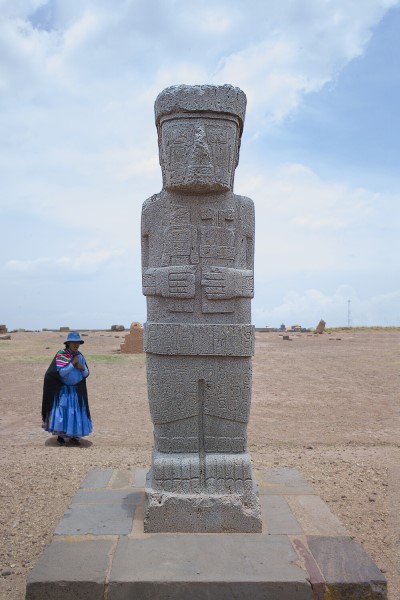
The Kalasasaya temple, considered an observatory, contains two carved monoliths and the famous Sun Gate. The latter, carved from a single block of stone, is 3 metres high and 4 metres wide. The frieze that decorates its top represents the god Viracocha, also considered in the Inca empire as a creator god, surrounded by numerous winged or bird-headed characters. At the temple of Pumapunku, visitors can admire immense blocks of stone, some of which are said to weigh up to 100 tons.
The Tiwanaku civilisation had developed advanced techniques for carving and polishing stone, as evidenced by the remains of the archaeological site. These exceptional achievements illustrate their mastery of the art of construction.
Despite the many questions that remain, Tiwanaku remains a fascinating place to visit. You will be amazed by the ingenuity and sophistication of this ancient civilization. Explore the mysteries of Tiwanaku and immerse yourself in the captivating history of this exceptional archaeological site located in the heart of Bolivia.