
At high altitude, travel changes pace. You walk more slowly, look further ahead and accept that the landscape sets its own rhythm. This search for silence, space and disconnection is part of a trend identified by Skyscanner under the name Altitude Shift. According to its Travel Trends 2026 report, 79% of travelers are considering a mountain getaway during summer or autumn, while bookings for accommodation with views of high-altitude landscapes have increased by 103% year on year.
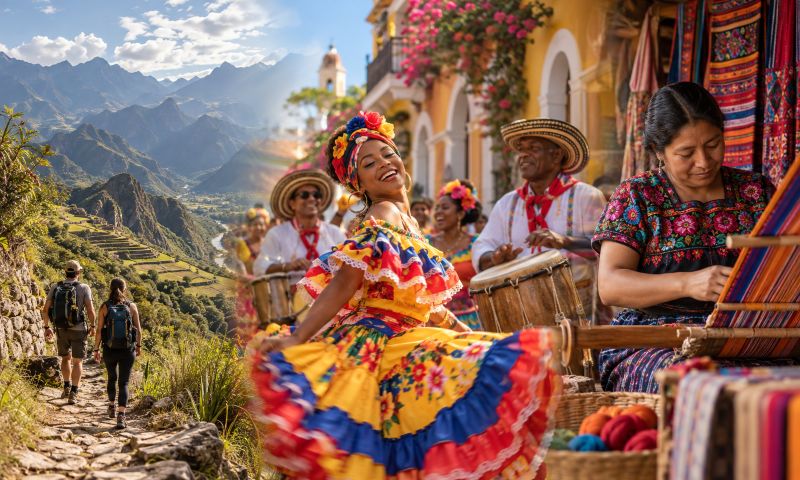
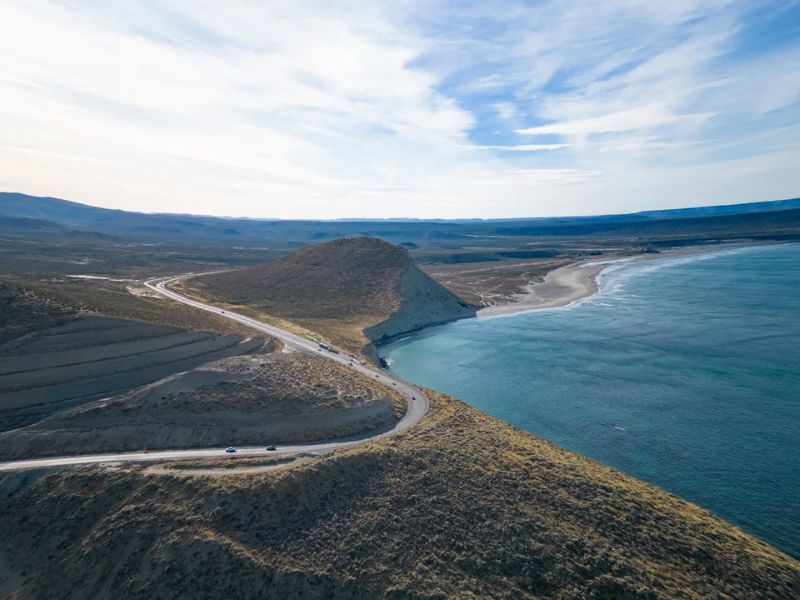
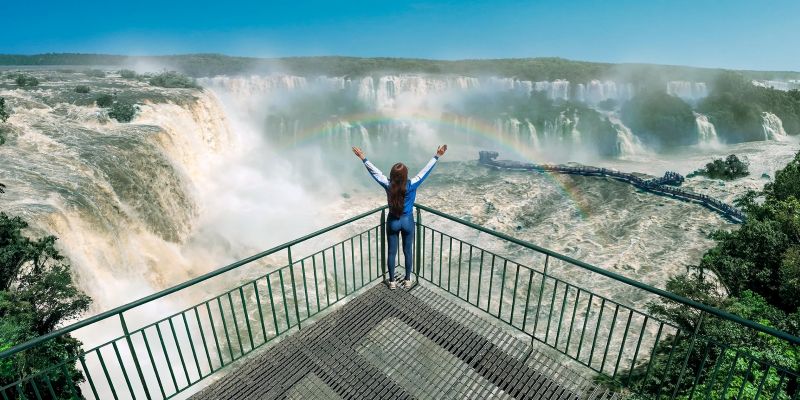
Latin America has particularly favorable terrain to respond to this demand. From the glaciers of Patagonia to the Andean volcanoes, from the Peruvian peaks to the tropical reliefs of Colombia, the region offers experiences where walking, longer travel time and nature become central elements of the journey. For destinations, this trend also opens an interesting path: distributing visitor flows beyond the capitals and highlighting territories where local communities often play a direct role in welcoming travelers.
Torres del Paine, Patagonia on the scale of a trek
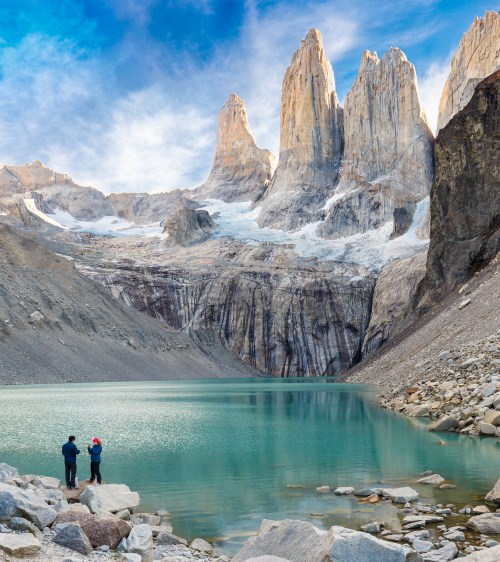
In southern Chile, Torres del Paine remains one of the major references for trekking in Latin America. Located in the Magallanes region, about two hours from Puerto Natales, the national park protects more than 227,000 hectares of Patagonian landscapes. Glaciers, intensely turquoise lakes, wind-shaped steppes and remarkable wildlife, including guanacos, foxes, condors and one of the most studied puma populations in the world, define this extraordinary environment.
The park lends itself to several levels of experience. The W Circuit, usually completed in four or five days, connects some of the best-known sites, including the Francés Valley, Grey Glacier and the Base Torres viewpoint. The longer and more demanding O Circuit attracts walkers who want to make a full loop around the massif. Other visitors choose shorter formats, combining navigation, viewpoints and accessible hikes.
Torres del Paine illustrates the interest of this trend well: the mountains there are not only a spectacular backdrop, but a way of shaping a stay around effort, observation and a different relationship with time.
Vinicunca, altitude as an Andean experience
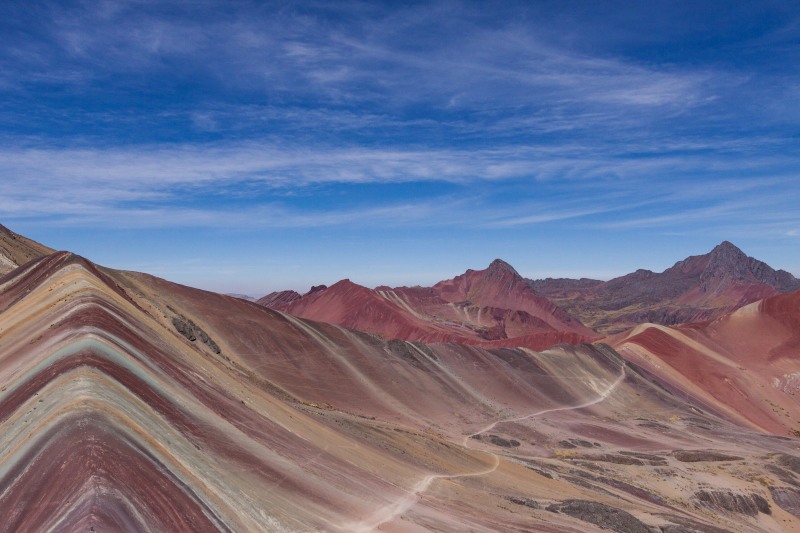
In Peru, Vinicunca, also known as the “Seven-Colored Mountain” or “Rainbow Mountain”, has established itself as one of the most sought-after excursions from Cusco. Located at more than 5,200 meters above sea level, in the Vilcanota mountain range, it owes its red, green, yellow and ochre stripes to erosion and the natural oxidation of minerals.
The experience is short, but it requires real preparation. The hike generally lasts three to four hours round trip, passing through the Cusipata or Pitumarca sectors, where several families take part in tourism activity. Horse rental, rural dining, local transport, handicrafts: the excursion creates income in an area that long remained outside the most classic circuits.
Altitude, however, imposes its own rules. Acclimatization of two or three nights in Cusco remains essential before adding Vinicunca to an itinerary. The dry season, from April to October, generally offers the best visiting conditions.
Also read: Pallay Punchu: a new destination in the high Peruvian Andes
Aconcagua, high mountains without necessarily meaning mountaineering
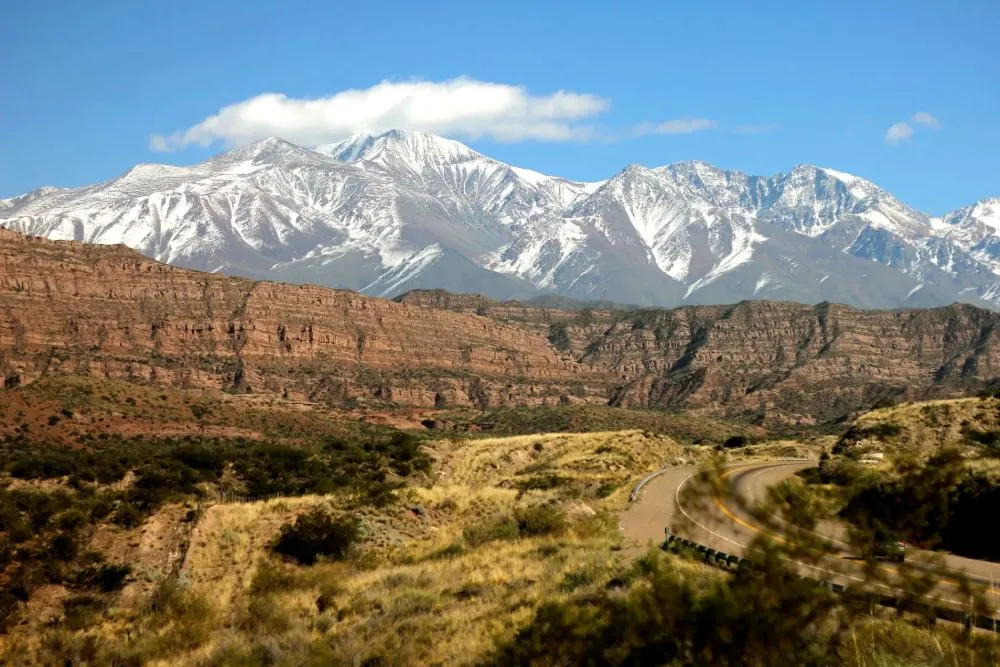
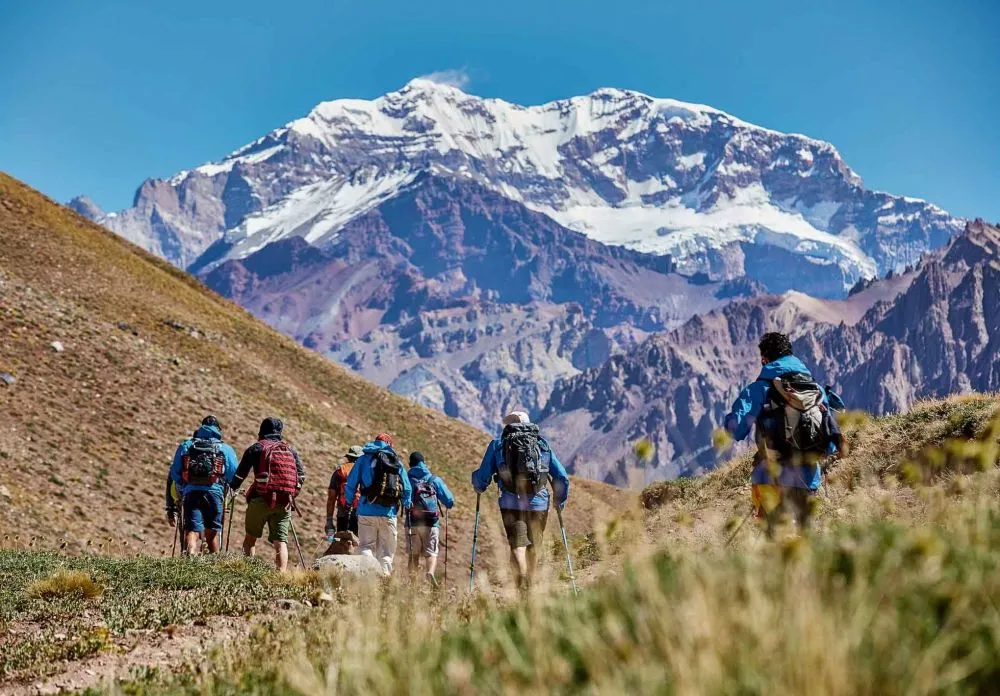
In Argentina, Aconcagua occupies a place of its own. At 6,962 meters, it is the highest peak in the Americas and the Western Hemisphere. Its name evokes mountaineering, but the park can also be explored without any summit objective. It is located in an area of both natural and historical importance, which forms part of the Qhapaq Ñan, the ancient Andean road network recognized by UNESCO.
The easy Laguna de Horcones trail offers a gentle approach to the landscape after only two hours of walking and provides one of the best-known views of the south face of the summit. For more experienced travelers, routes lead toward the Confluencia or Plaza de Mulas camps, with permits to be arranged in advance.
The main season runs from November to April, when conditions are most favorable. The site can be easily included in a trip around Mendoza and the Andean corridor, with stops such as Puente del Inca or Las Cuevas. Here, the mountains add a more contemplative dimension to a destination often associated with wine and wide-open spaces.
Ciudad Perdida, the mountains between memory and living territory
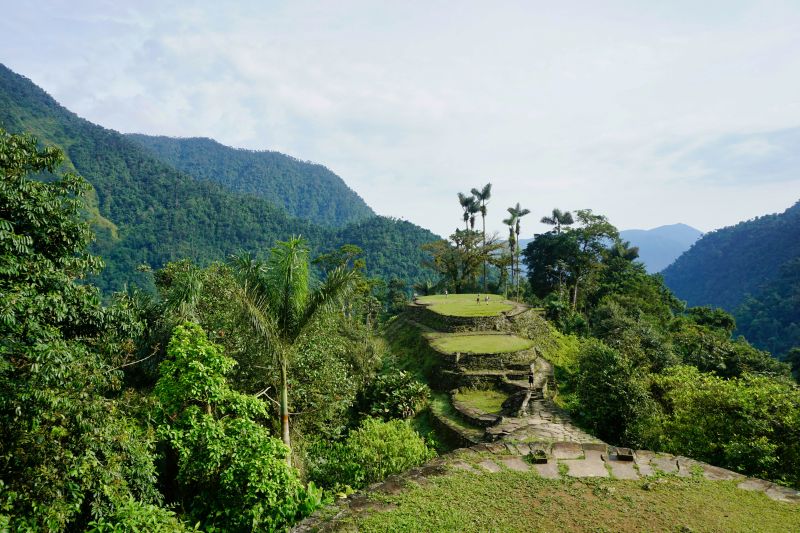
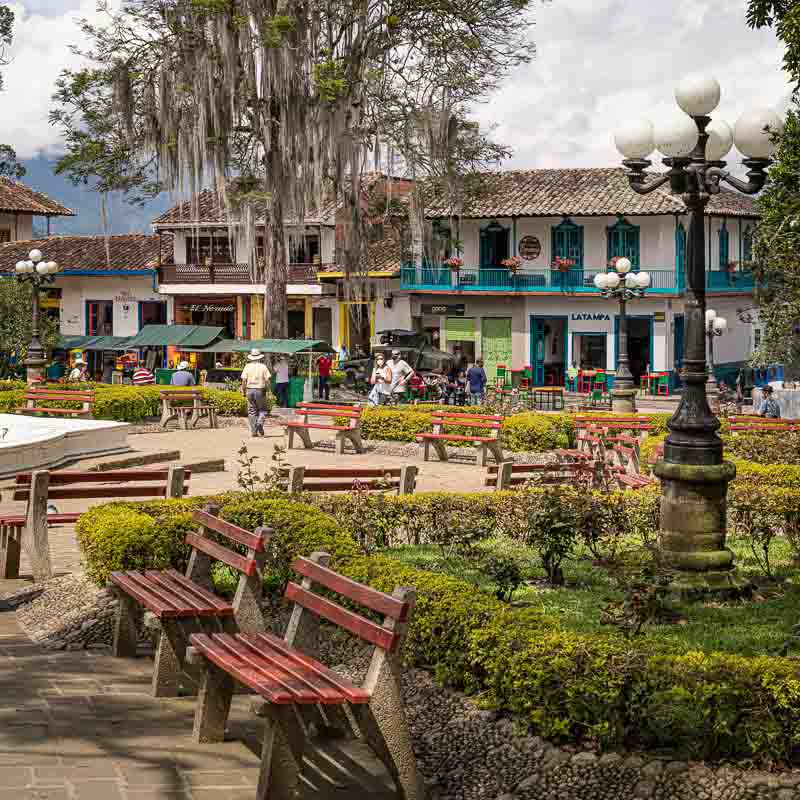
In Colombia, Ciudad Perdida offers another reading of the mountains. The trek does not take place in a high-altitude landscape in the Andean sense of the term, but in the tropical reliefs of the Sierra Nevada de Santa Marta, one of the most distinctive coastal massifs on the continent.
Known as Teyuna by the Indigenous peoples of the region, the ancient Tayrona city is believed to have been built around the 9th century. Its circular terraces and stone paths remain a sacred place for the Kogui, Arhuaco, Wiwa and Kankuamo, for whom this territory retains major spiritual importance.
Access is only on foot, during a guided trek of three to six days from Santa Marta, with five to eight hours of walking each day through the tropical forest. The experience requires real effort, but its interest goes beyond walking. The camps, logistics and guiding are managed by Indigenous communities, giving the journey a strong territorial dimension. The dry seasons, from December to March and from July to August, generally offer the best conditions for undertaking this trek.
You may also like: Kogis; root societies today: archaic testimony, or source of inspiration for the future?
A demand for slower travel
These destinations do not only respond to a desire for beautiful landscapes. They reflect a deeper evolution: more travelers are looking for places where they can accept slowing down, walking, moving away from overly fast itineraries and giving more weight to the journey itself.
For Latin America, this trend represents an important opportunity. The region has exceptional geography, but also territories capable of offering experiences rooted in walking, local culture and the relationship with landscapes. If properly prepared, these mountain journeys can become one of the strongest ways to discover the continent: less through the accumulation of stops than through the intensity of the path traveled.
Photos: D.R | Visit Argentina | Colombia Travel | Sernatur | Roi Dimor