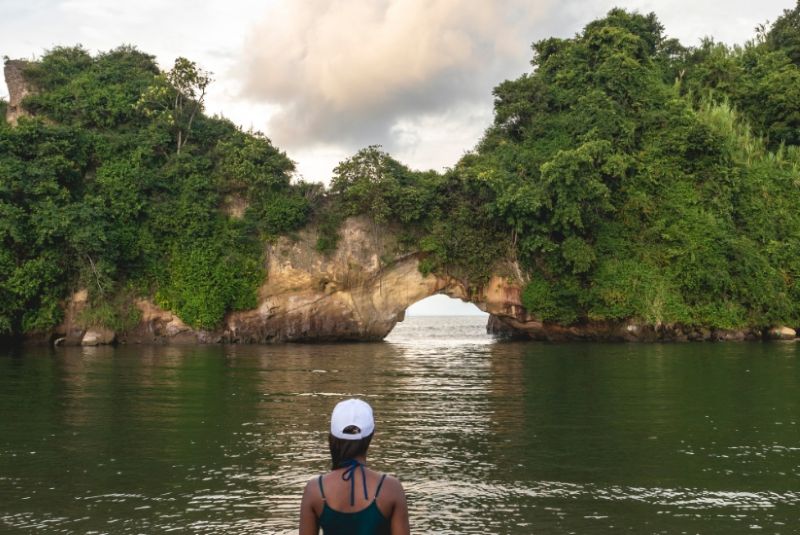

In the first half of 2026, foreign travelers arriving in Colombia remained mainly concentrated around the country’s major hubs. Bogotá, Medellín, Cartagena and Cali kept their usual weight in the statistics. But behind these already established destinations, several departments less present in international circuits recorded significant growth.
According to data from Migración Colombia reported by ANATO (Asociación Colombiana de Agencias de Viajes y Turismo), Vaupés posted the strongest increase in foreign visitor arrivals, with +63.2% compared with the first half of 2025. It was followed by Guaviare, with +24.7%, Guainía, with +21.9%, and Nariño, with +21.7%.
“These figures confirm that Colombia has a tremendous opportunity to continue promoting new destinations on the international market. Traveler interest is no longer concentrated only on traditional places, but also extends to regions offering original proposals, experiences linked to nature, culture, adventure and authenticity,” said Paula Cortés Calle, Executive President of ANATO.
The major hubs remain ahead
Bogotá D.C., Antioquia and Bolívar remain the departments most visited by international travelers, with 35.8%, 24.8% and 18.9% of arrivals respectively in the first half of 2026. At city level, Bogotá leads with 869,000 foreign visitors, ahead of Medellín, Cartagena de Indias and Cali.
This concentration is easy to explain: these are the main gateways, the best-connected cities, the most visible abroad and those where the hotel, cultural, gastronomic and events offer is the most structured. For international travel, they continue to play a central role.
Vaupés, Guaviare, Guainía: the Amazon and Orinoco regions on the rise
Vaupés tops the growth rankings. Its capital, Mitú, can be reached by air from Bogotá or Villavicencio. The department is marked by forest, rivers and the presence of Indigenous communities. This is not a destination to visit quickly or without preparation. It requires time, support and real attention to travel conditions.
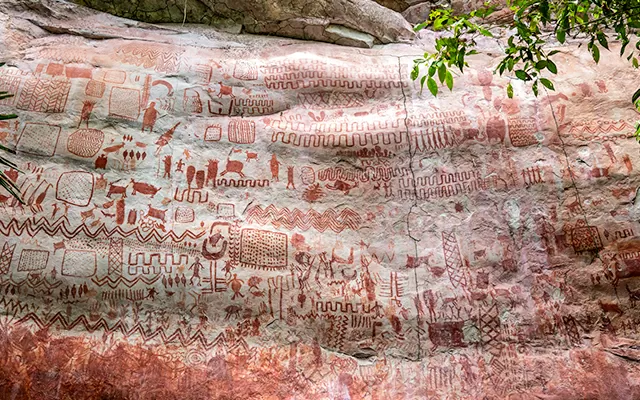
Guaviare is probably more identified today by some travelers. Around San José del Guaviare, the Serranía La Lindosa, the rock paintings of Cerro Azul, rock formations, rivers and natural sites give the destination a distinct place between the Amazon and the Orinoco. The department already attracts those looking for a Colombia of nature, archaeology and landscapes still little visited.
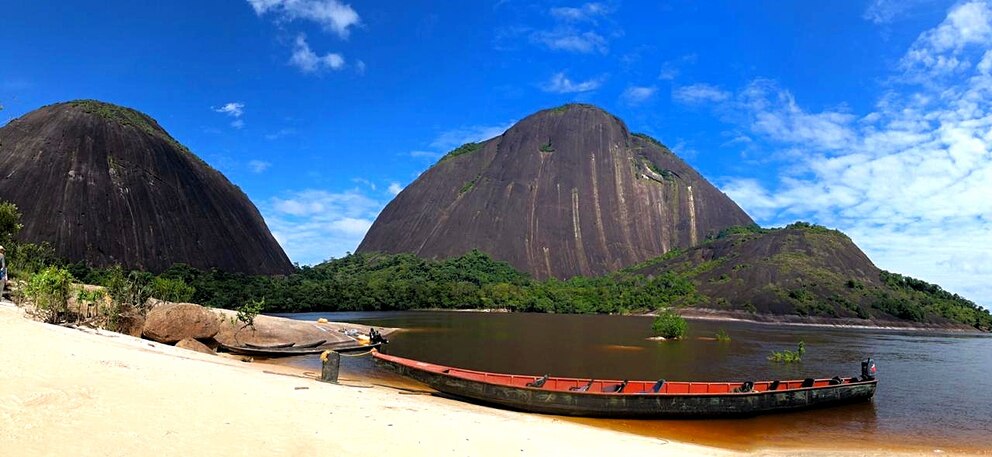
Guainía follows a similar logic, with Inírida and the Cerros de Mavecure as its best-known landmarks. Here again, the tourism potential exists, but it depends on precise organization: river or air access, local guides, respect for communities and knowledge of natural environments. The increase in arrivals should therefore not be read as an invitation to massify these destinations, but as a sign of interest in more specialized trips.
Our article: The Cerros de Mavecure: Splendors of Colombia
Nariño, another gateway to southern Colombia
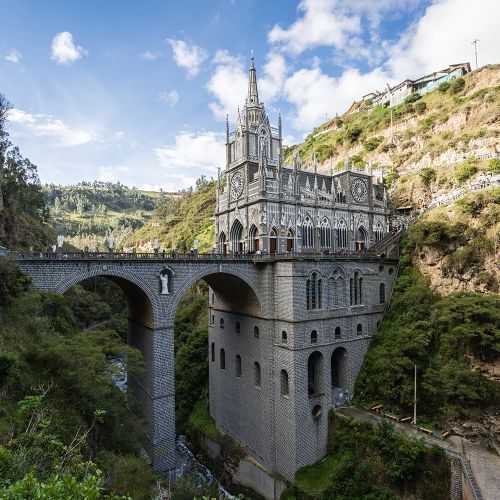
Nariño completes this group with a different geography and brings another approach to the south of the country. Around Pasto, the department combines Andean culture, volcanic landscapes, Laguna de La Cocha, the Las Lajas Sanctuary and proximity to Ecuador. Its growth shows that the diversification of Colombian tourism does not only concern Amazonian regions or more isolated nature destinations.
You may also like: The Carnival of Negros y Blancos in Pasto: starting the year in Colombia with celebration
These increases show that curiosity already exists for a Colombia further removed from the most classic itineraries, made up of rivers, forests, Andean landscapes and stays where travelers take more time. These destinations can therefore find their place in more targeted trips, as a complement to an already structured itinerary or as the starting point for a deeper discovery of the country. Their interest lies precisely in this different temporality: sometimes longer access, slower rhythms of discovery and an important place given to communities. That is where these destinations can bring something different, without being presented as new fashionable addresses.
Photos: ProColombia | D.R. | Federico Rios| Jolyn Chua