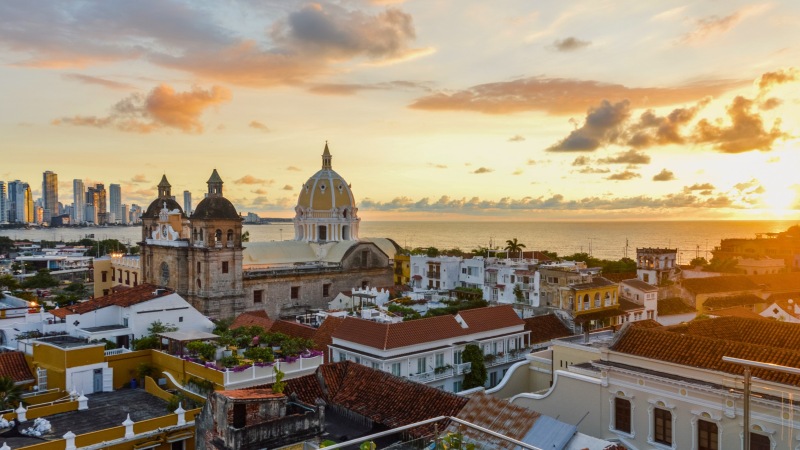

In 2026, Colombia no longer needs to prove its appeal. The figures confirm it, visitors are returning, aircraft are filling up and major hotel groups are looking at the country with growing interest. But this momentum now raises another question: how can the current growth be turned into tourism development that is sustainable, better distributed and clearer on international markets?
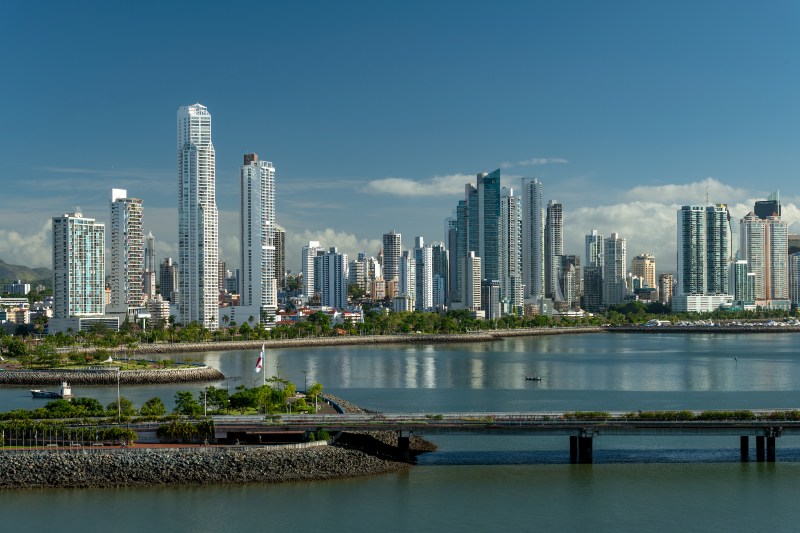
Colombia welcomed more than 2 million non-resident visitors during the first four months of 2026, according to data from the Ministry of Commerce, Industry and Tourism. In March, arrivals rose by 6.7% compared with the same month of the previous year. The cruise segment also recorded strong growth, with more than 58,000 passengers counted during the month, an important indicator for the country’s Caribbean destinations, particularly Cartagena de Indias.
Growth taking hold
Colombia is benefiting from a favorable regional context. The World Travel & Tourism Council forecasts 5.7% growth in the country’s tourism GDP in 2026, above the expected global average (+3.2%) for the sector. This progress forms part of a broader trend in Central and South America, where tourism continues to gain ground despite the economic and geopolitical uncertainties affecting other regions.
Economic data confirm this change of scale. According to DANE, the National Administrative Department of Statistics, inbound tourism spending reached USD 14.6 billion in 2025, compared with USD 13.5 billion the previous year. The number of tourists rose from 4.4 to 4.6 million, while the sector accounted for 2.4% of the country’s gross value added. Growth is therefore not measured only in arrivals: it can also be seen in the value generated, employment, investment and the place of tourism in the national economy.
Younger travelers, more diverse expectations
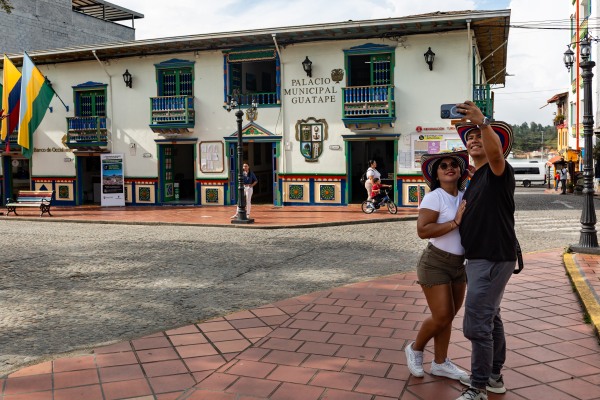
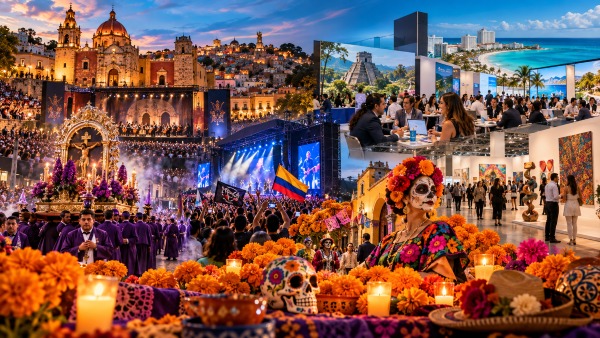
The profile of visitors offers another way to understand this shift. According to ANATO, the Colombian Association of Travel and Tourism Agencies, 65.2% of international travelers arriving in Colombia in the first quarter of 2026 were aged between 18 and 49, with a strong representation of the 30-39 age group. This audience is not simply looking for a destination to tick off on a map. It more easily combines urban stays, gastronomy, culture, nature, events, beaches, nightlife and local experiences.
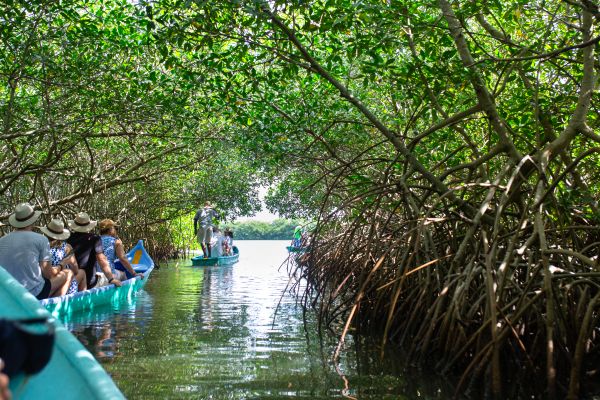
This evolution requires Colombia to move beyond an overly simple reading of its offer. Bogotá, Medellín, Cartagena de Indias and Cali remain essential gateways, but the country cannot rely solely on a few highly identified cities. The coffee region, the Caribbean, the Pacific, the Llanos, the Amazon, the Andes and nature destinations each have a role to play, provided they are better connected, better explained and easier to include in coherent itineraries.
You may also like: Medellín and Antioquia: from Attractiveness to Mastery in 2026
Connectivity and hospitality on the move
Connectivity remains one of the most visible drivers of this progress. Colombian air traffic exceeded 19 million passengers in the first four months of the year, confirming the central role of the country’s major hubs in domestic (+8.1%) and international (+7.1%) travel. For combined trips, this improved access is decisive: it makes it possible to build smoother circuits between cities, the Caribbean coast, cultural destinations, natural areas and regions that are still less frequently programmed.
Hospitality is following the same movement. Projects and openings announced in Cartagena de Indias, Bogotá, Medellín and Barranquilla show the interest of international brands in the Colombian market. This presence supports leisure tourism, MICE and the move upmarket of certain experiences. It can also help position Colombia more clearly in specific segments such as sustainable luxury, wellness, gastronomy, nature stays and cultural tourism.
Our article: Colombia: AmaWaterways continues developing cruises on the Magdalena River
The challenge of consolidation
Colombia is therefore in a favorable moment. But tourism growth only becomes solid if it is organized. The country is working on service quality, training, the distribution of visitor flows, perceived safety, the sustainability of experiences and the ability of emerging territories to welcome visitors without losing their identity.
The risk would be to reduce 2026 to a simple accumulation of positive indicators. The real issue now lies in how territories are connected, products are refined, experiences are better explained and travelers are given concrete reasons to go beyond the best-known stops.
Our article: Cali structures its Afro heritage into a new tourism offering
Colombia is thus entering a more demanding phase of its tourism development. International interest is there, infrastructure is progressing and investment is following. What remains is to turn this growth into a lasting advantage, capable of benefiting both the major established destinations and the regions still seeking their place in itineraries.
Photos: ProColombia | Quimbaya Latin America