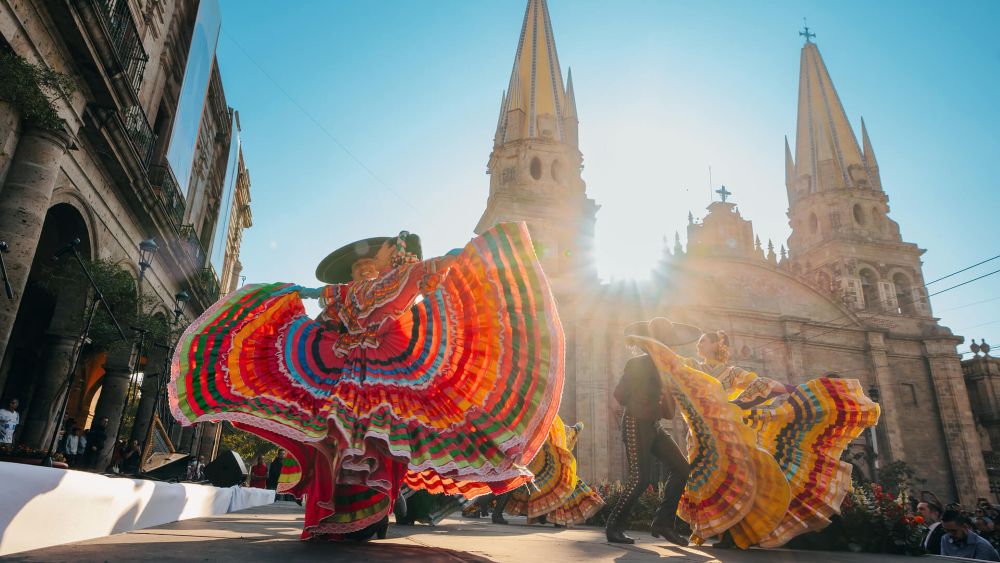

After Mexico City, this series continues in Guadalajara, the capital of Jalisco and one of Mexico’s largest metropolitan areas. Travelers attending matches at Estadio Akron will discover a city that embodies many of the images most closely associated with Mexico.
Mariachi, tequila, charrería, birria, tortas ahogadas, and traditional markets come together here in an itinerary that extends far beyond the stadium. Guadalajara offers another way to experience the World Cup: not as an isolated sporting event, but as a gateway to one of the country’s strongest cultural identities.
A First Look at the Historic Center
Even before the first match, Guadalajara’s historic center offers an immediate introduction to the city’s history, art, and gastronomy. The cathedral, recognizable by its towers topped with yellow Sayula tiles, marks the starting point for a walking route through tree-lined squares, stone façades, and buildings that have shaped the city for nearly five centuries.
A few minutes away stands the Instituto Cultural Cabañas, a UNESCO World Heritage Site. Its architecture is striking, but the highlight lies inside: The Man of Fire, José Clemente Orozco’s monumental fresco and one of the masterpieces of Mexican muralism.
The route can continue to Mercado Libertad, better known as San Juan de Dios, the largest covered market in Latin America. Beyond its handicraft and leather stalls, it is one of the best places to try a torta ahogada or birria, two of the region’s signature dishes, in a thoroughly local atmosphere.
Our article: Exploring Latin America Through Its Iconic Markets.
Santa Tere: Jalisco on the Table
To understand Guadalajara’s cuisine, Santa Teresita remains an essential stop. This neighborhood has preserved a strong sense of authenticity, with its market, family-run eateries, and informal counters where locals eat without ceremony.
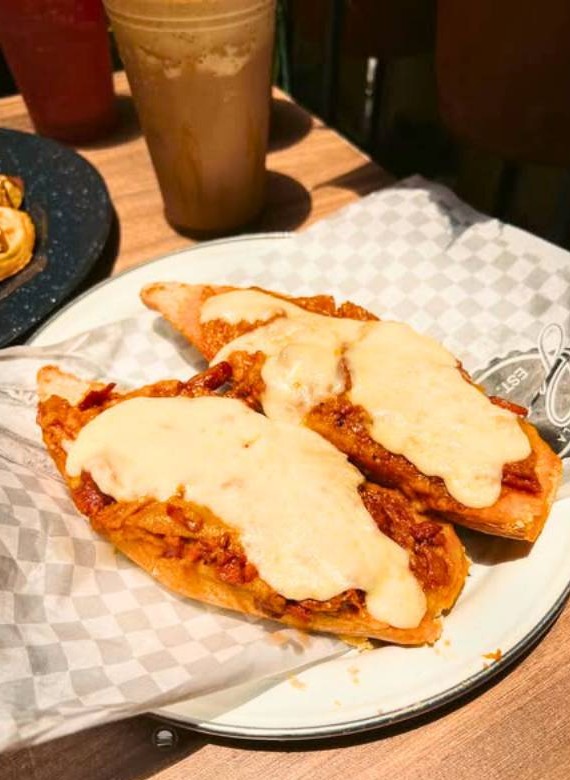
Food tours lasting around three hours offer the opportunity to sample several specialties while exploring the market and neighborhood shops. The route often begins at Birotería Gómez, known for its lonches prepared with birote salado, Guadalajara’s traditional bread. It then continues through the local market with fried quesadillas, barbacoa tacos, and tostadas.
The experience often ends with a glass of tejuino served with lime sorbet. Made from fermented corn, this drink is one of Jalisco’s most distinctive flavors.
Beyond organized tours, Santa Tere is equally rewarding without a fixed plan. Simply walking through the neighborhood reveals how residents gather around traditional breakfasts while the kitchens remain active from early morning onward.
Mariachi and Charrería: Two Traditions to Understand
Few symbols are as closely linked to Mexico as mariachi and the charro tradition. Guadalajara is one of the best places to understand both their origins and their differences. The charro is the horseman at the center of charrería, considered Mexico’s national sport. The mariachi, by contrast, is the performer of ranchera music who adopted the traditional charro outfit, which eventually became one of the country’s defining visual symbols.
Our article: Ranchera Music: Symphony of the Mexican Soul.
To hear live mariachi music, beyond the city’s many bars, Plaza de los Mariachis has hosted musicians offering serenades and impromptu performances since its inauguration in 1962.
Charrería can be experienced at Lienzo Charro Jalisco. This tradition combines trained horses, rope handling, and traditional attire in competitions where precision and technique are central. Sunday events offer an excellent opportunity to understand why charrería is far more than a show and remains deeply tied to Jalisco’s identity.
Along the Tequila Route
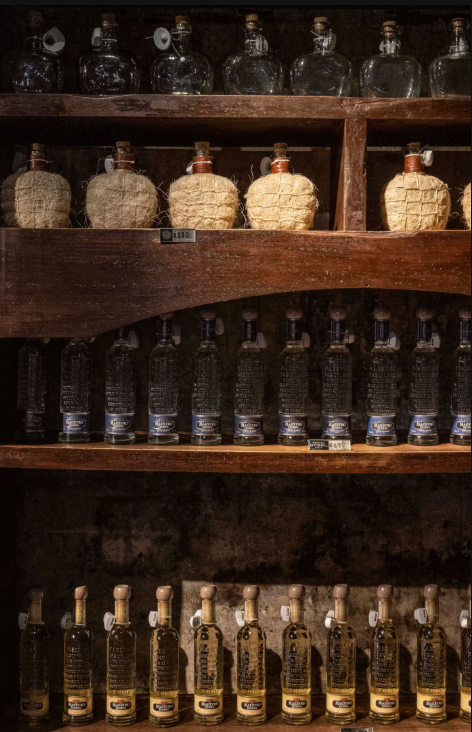
Another emblem of Jalisco is tequila, produced from blue agave grown primarily in this state. Protected by a denomination of origin, its production involves cooking the agave, fermenting its natural sugars, and distillation. Aging periods then determine the different categories, including blanco, reposado, and añejo.
For travelers, the most complete experience is along the Tequila Route, located just over an hour from Guadalajara. Visitors can tour historic distilleries such as José Cuervo and Herradura, surrounded by blue agave fields, old haciendas, and production facilities. Guided tastings explain each stage of the process and reveal tequila’s role in Jalisco’s economy, landscapes, and cultural identity.
After exploring the historic center, markets, music, charrería, and agave country, Guadalajara emerges as one of the places where the Mexican imagination takes especially concrete form. Here, these traditions are not staged solely for visitors; they remain part of daily life in the city’s squares, neighborhoods, and routines.
This series will continue with the final host city: Monterrey.
Photos: Guadalajara FIFA 26 | Anne-Emmanuelle Thion