
Nightlife is often part of a city’s identity and can even become a deciding factor for travelers. A ranking published by Travel And Tour World highlights 50 destinations across the Americas and the Caribbean known for their nightlife in 2026.
While several U.S. cities occupy the top positions, 32 Latin American destinations appear in this Top 50, confirming the region’s importance in the continent’s nightlife scene. From live music and festivals to clubs and bars open late into the night, many Latin American cities offer experiences that have become part of their tourism appeal.
Between beaches, music, and parties until dawn
Among the top-ranked destinations is Tulum, Mexico, whichtakes third place. The Caribbean town has become a meeting point for the international electronic music scene. Clubs set between jungle and beach regularly host international DJs, particularly during events such as Zamna Festival and Day Zero, where sets often begin at sunset and continue until morning.
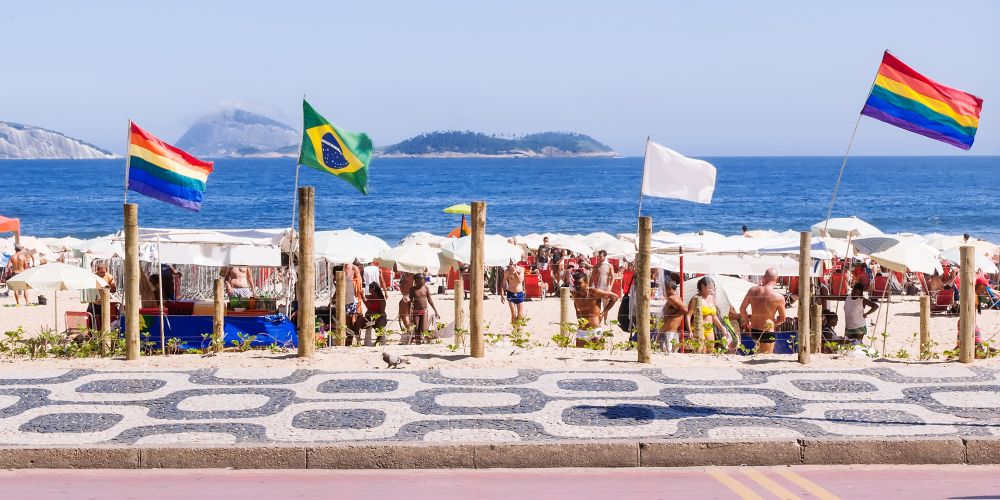
In Rio de Janeiro, ranked sixth, nightlife revolves around carioca rhythms. In the neighborhood of Lapa, bars and samba houses fill up beneath the famous arches, where locals and travelers sing and dance until dawn. Further south, the districts of Copacabana and Ipanema offer a different atmosphere: the evening often begins with a drink facing the sea, accompanied by bossa nova or música popular brasileira, before continuing in clubs near the beach.
Capitals where nightlife is part of urban culture
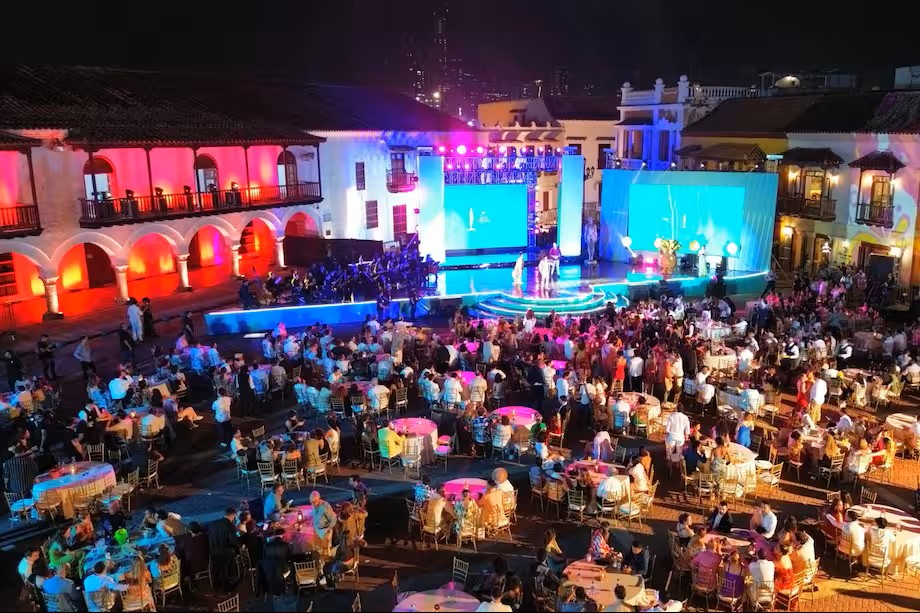
In Colombia, Bogotá ranks ninth in the list. The Colombian capital stands out for the diversity of its music scene, where electro, salsa, rock, and reggaeton coexist. The party does not stay inside bars: the famous “chivas,” colorful buses equipped with lights and music, drive through the city with passengers dancing along the entire route, an ideal warm-up for a festive night. The city is also home to Theatron, one of the largest clubs in Latin America. Medellín and Cartagena also appear in the ranking.
In Buenos Aires, ranked tenth, the evening usually begins late, around 11 p.m. Milongas and tango bars welcome dancers and curious visitors, while neighborhoods such as Palermo and San Telmo concentrate cocktail bars, speakeasies, and clubs. The night often continues around local culinary specialties: pizzerias, empanadas, and ice-cream shops remain open late, continuing the Argentine capital’s nocturnal tradition.
Other lively cities after dark
The ranking also highlights other destinations in the region. In Mexico City, traditional cantinas and mariachis coexist with cocktail bars and rooftops offering unforgettable views of the illuminated city. In Lima, peñas dedicated to criollo music, pisco bars, and restaurants open late contribute to the Peruvian capital’s nightlife.
Our article: The Best Cities to Eat and Drink: Mexico City and Lima Lead the Food & Wine Ranking.
The strong presence of Latin American cities in this ranking is also explained by the role music and celebration play in everyday life across many destinations. Salsa, samba, tango, and reggaeton are not only musical genres exported worldwide; they also animate bars, clubs, and festivals in the cities where they were born.
In many regions where the climate allows people to live outdoors year-round, terraces, concerts, and events continue late into the night. For travelers, discovering these cities after sunset often offers a way to better understand their rhythm, music, and way of life.
Photo: D.R