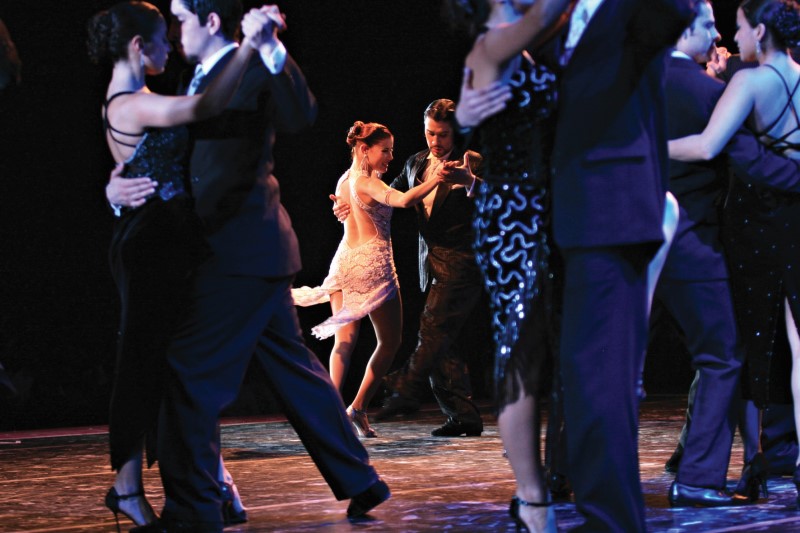

Tango is a dance and musical genre emblematic of Argentina and Uruguay, but its history and influence extend far beyond the borders of South America. Originating in Buenos Aires and Montevideo at the end of the 19th century, tango was born from the fusion of various cultures and musical influences. It is a story rich in passion, struggle and migration that has shaped this global cultural phenomenon.
Origins of Tango

The roots of tango go back to the working-class neighbourhoods of major port cities such as Buenos Aires and Montevideo, where populations of European immigrants, freed African slaves and Argentine gauchos mingled. African rhythms, Spanish melodies, Austrian waltzes and Cuban habaneras blended to create a new form of musical and dance expression.
Originally, tango was danced in brothels and bars in working-class neighbourhoods, often by men among themselves, before becoming socially acceptable and spreading to more respectable circles.
Evolution and spread
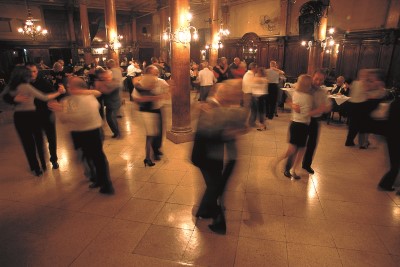
The early twentieth century marked a period of transformation and acceptance for the tango. Led by iconic figures such as Carlos Gardel, tango music began to gain popularity in the dance halls of Buenos Aires. Gardel, with his unique voice and charisma, played a crucial role in popularising sung tango.
Tango then crossed the Atlantic to Europe. In Paris, the dance enjoyed dazzling success in the 1910s and 1920s, becoming a symbol of sophistication and elegance. Artists such as Astor Piazzolla revolutionised the genre by incorporating elements of jazz and classical music, creating ‘tango nuevo’. Piazzolla is often credited with renewing and modernising tango, making it relevant to new generations.
Instruments and Musical Style
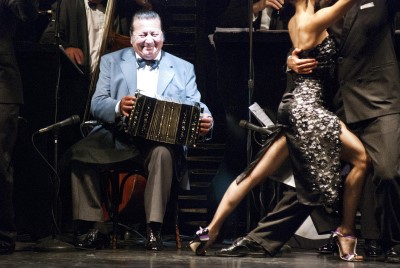
Tango is characterised by the use of specific instruments such as the bandoneon, violin, piano and guitar. The bandoneon, a member of the accordion family, is particularly associated with tango and is essential for creating that distinctive, melancholy sound. Tango music is characterised by its syncopated rhythms and expressive melodies, often accompanied by poetic lyrics evoking love and nostalgia.
Tango today

Today, tango remains an integral part of Argentine and Uruguayan culture, with regular festivals, competitions and milongas (tango dance evenings). Buenos Aires is considered the world capital of tango, attracting dancers and enthusiasts from all over the world. The city is home to many emblematic places, such as Café Tortoni and the San Telmo district, where you can still feel the authentic spirit of tango.
Tango has also found its way into the visual arts and literature, inspiring films, plays and literary works. It continues to evolve, influencing and being influenced by other forms of art and music.
Tango is a rich testimony to the history and culture of the peoples who created and nurtured it. It is a dance and music that tells stories of passion, pain and resilience. Whether on the streets of Buenos Aires or on stages around the world, tango continues to captivate and move, proving that its roots are as deep as its allure is timeless.
Photos: Buenos Aires Tourist Office