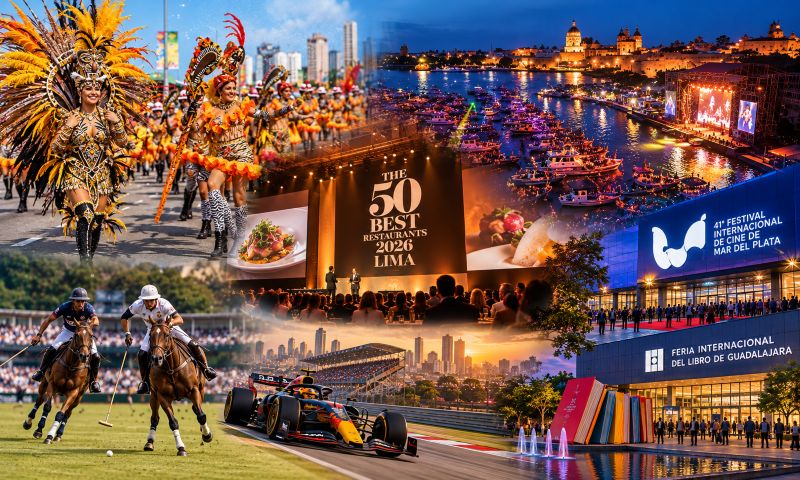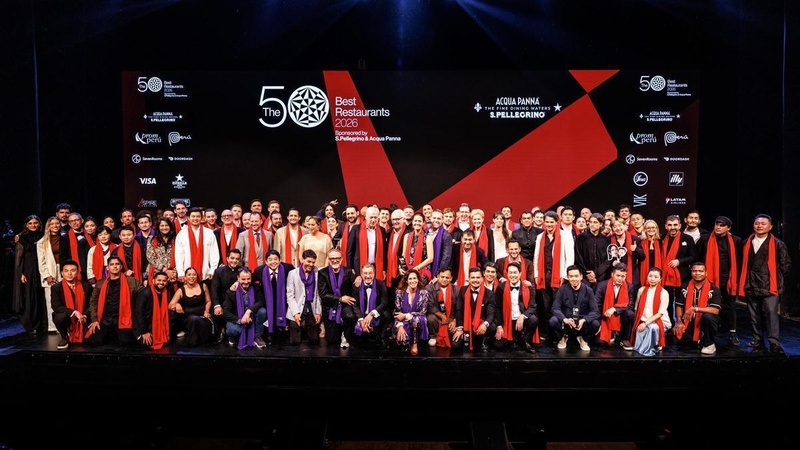
For its first global ceremony in Latin America, The World’s 50 Best Restaurants chose Lima. The ranking unveiled on 4 November places eleven restaurants from the region among the world’s top fifty, compared with ten in 2025. Seven countries are represented, with Peru leading the way with three restaurants, all in Lima. This year’s global title goes to Asador Etxebarri, Bittor Arginzoniz’s restaurant in Atxondo, in Spain’s Basque Country, which ranked second last year.
From Mexico City to Lima, three restaurants among the top fifteen
In Mexico City, Quintonil (4th) remains in the top five and becomes the highest-ranked Latin American restaurant in this edition. Located in the Polanco neighbourhood, Jorge Vallejo and Alejandra Flores’ restaurant takes its name from an edible Mexican herb. It features in some dishes and drinks, alongside other ingredients that change with the seasons, such as cacahuazintle corn or melipona bee honey.
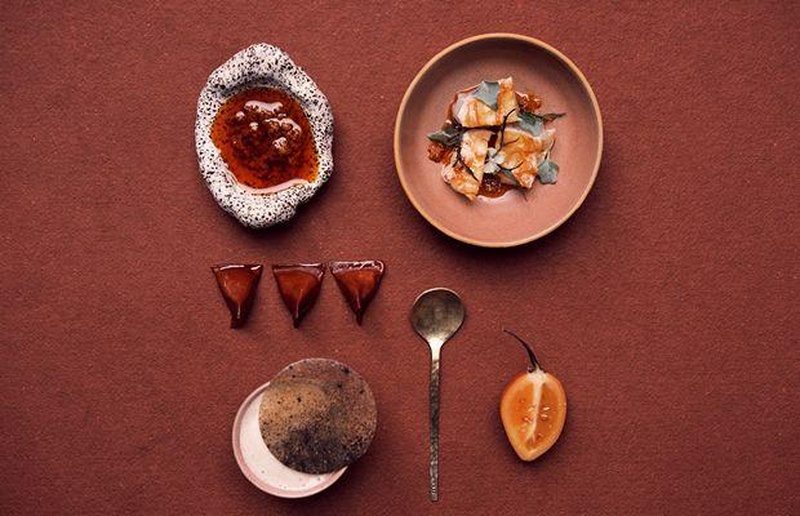
Two of Lima’s three restaurants move up the ranking. Kjolle (7th) climbs two places. Chef Pía León dedicates one of her dishes to Andean tubers, including olluco and oca. In Barranco, Mérito (13th) rises thirteen places with the cuisine of Juan Luis Martínez, who combines Peruvian ingredients with flavours from his native Venezuela. Mayta (45th) was already in the ranking in 2025. Chef Jaime Pesaque explores Peru’s culinary repertoire, from Andean corn to Amazonian paiche.
As for Maido, which ranked first in 2025, it joins the Best of the Best this year. This group brings together previous winners, which leave the annual ranking after taking the top spot. Mitsuharu Tsumura’s restaurant joins Central, by Virgilio Martínez and Pía León, another Lima restaurant crowned in 2023.
Tuju makes the highest debut in the top 50
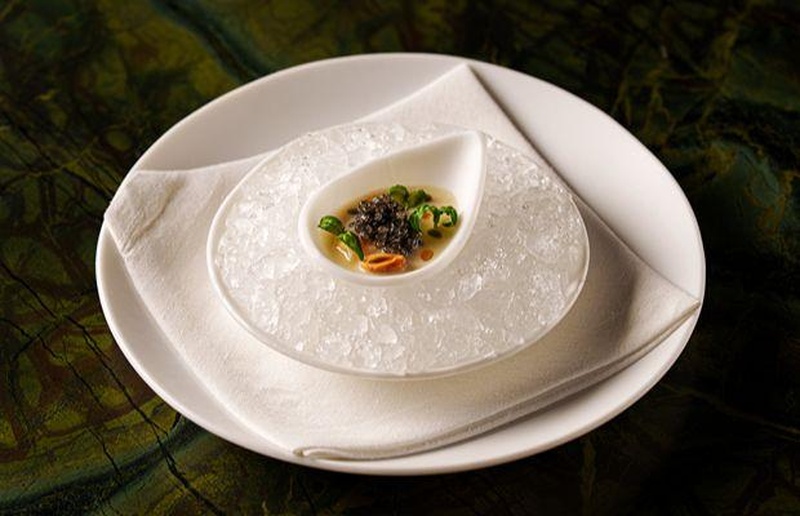
In São Paulo, Tuju (16th) enters the top fifty after ranking 70th in 2025. Ivan Ralston’s restaurant also receives the hospitality award. To create his menus, the chef follows São Paulo’s rainfall patterns. The menu changes every three months, according to four periods the team has named humidity, rain, wind and drought.
In Rio de Janeiro, service takes a different form. At Lasai (25th), ten guests sit together at the same counter, facing Rafael Costa e Silva and his team. The cuisine gives a prominent place to products from the state of Rio. The restaurant moves up three places compared with 2025.
Cartagena and Quito move up the ranking
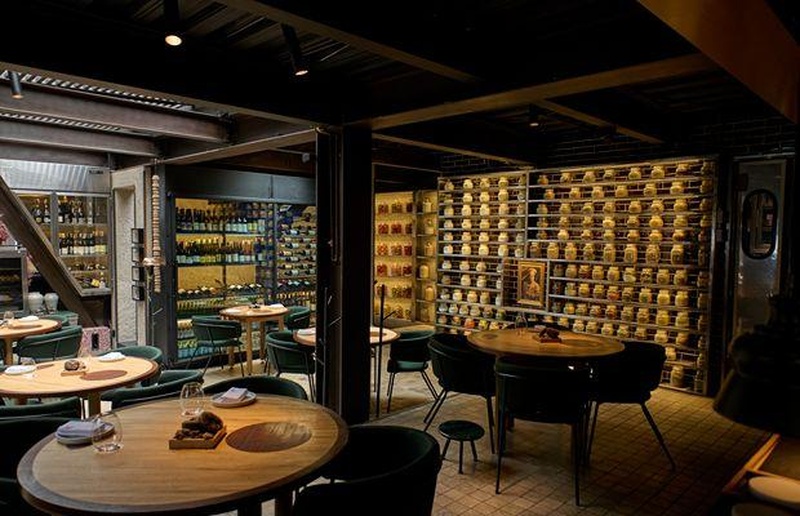
In Colombia, Celele (31st) climbs seventeen places. In Cartagena, Jaime Rodríguez explores the traditional recipes of the Caribbean coast, including in the drinks, using Colombian fruits and fermented preparations. In Bogotá, El Chato (46th) returns to the top 50 after ranking 54th in 2025. Álvaro Clavijo works with ingredients from different regions of the country, from Andean tubers to fish and seafood from the Pacific.
Ecuador enters the top fifty with Nuema (37th), which climbs twenty-four places. In Quito, Alejandro Chamorro and Pía Salazar explore Ecuadorian ingredients even in their desserts, where radish or leek can find a place. In Santiago de Chile, Boragó (22nd) rises one position with Rodolfo Guzmán’s Endémica menu, created according to harvests and foraging seasons. In Buenos Aires, Don Julio (44th) remains in the ranking with another culinary tradition, that of the parrilla, meats aged in-house and Argentine wines.
With 19 restaurants among the world’s top 100, Latin America confirms its place in global gastronomy. The ranking gives visibility to cuisines distinguished by their ingredients, traditions and the ways chefs continue to develop them. This diversity can also be discovered through travel, at a restaurant table, in the aisles of a market or alongside producers.
Watch the ceremony again
Photos : The 50 | Kjolle | Tuju | El Chato