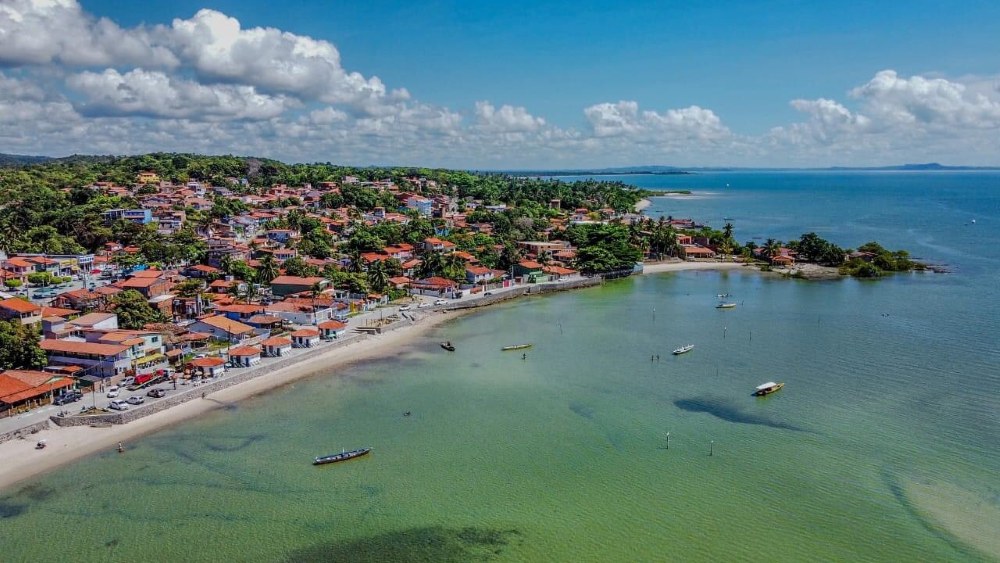



In the river city of Cachoeira, Embratur presented the third phase of its Novas Rotas (New Routes) initiative, this time dedicated to the Recôncavo Baiano. Held at the Cineteatro Cachoeirano, the event brought together local authorities as well as representatives of the tourism sector. It marks the beginning of a strategy aimed at preparing Brazilian destinations that still remain outside traditional circuits to enter the international market.
What is Novas Rotas?
“The idea is to show the world that Brazil is much more than its traditional postcards; we want to reveal new landscapes, new cultures, and experiences designed in a sustainable, smart, and innovative way.” With these words, Embratur’s president, Marcelo Freixo, summarizes the purpose of Novas Rotas.
You may also like: Brazil sets a new record in sustainable tourism with 60 Blue Flag sites
Since its launch, the programme has combined training in sustainability, innovation, and data use with the development of products designed to integrate into thematic itineraries. The first actions took place in regions of Rio de Janeiro —such as Costa Verde and the Vale do Café— and later expanded to the south of the country, where cooperation with municipalities near major destinations has made it possible to structure routes capable of extending international visitors’ stays.
The potential of the Recôncavo Baiano as an international destination
In Bahia’s historic heart, the Recôncavo Baiano reveals a landscape shaped by the Paraguaçu River and by former ports that once played key roles in colonial trade and in the early independence movements. The region is home to places of worship where rituals of African origin are still practiced—an essential part of its political and spiritual identity—; neighbourhoods where samba de roda remains a community tradition; and workshops where wheel-thrown pottery, woodcarving, and metallic-thread embroidery preserve skills passed down through generations.
The territory also includes former sugarcane fazendas converted into cultural spaces, along with estates managed by riverside communities that combine agricultural knowledge with community-based tourism initiatives.
In this new phase, Embratur is directing its efforts toward a region that has long sought greater visibility within Brazil’s tourism landscape. From now on, progress will depend on the ability of municipalities to make full use of the technical support offered, strengthen internal coordination, and maintain an operational level that meets the expectations of international travellers.
Photos: D.R.