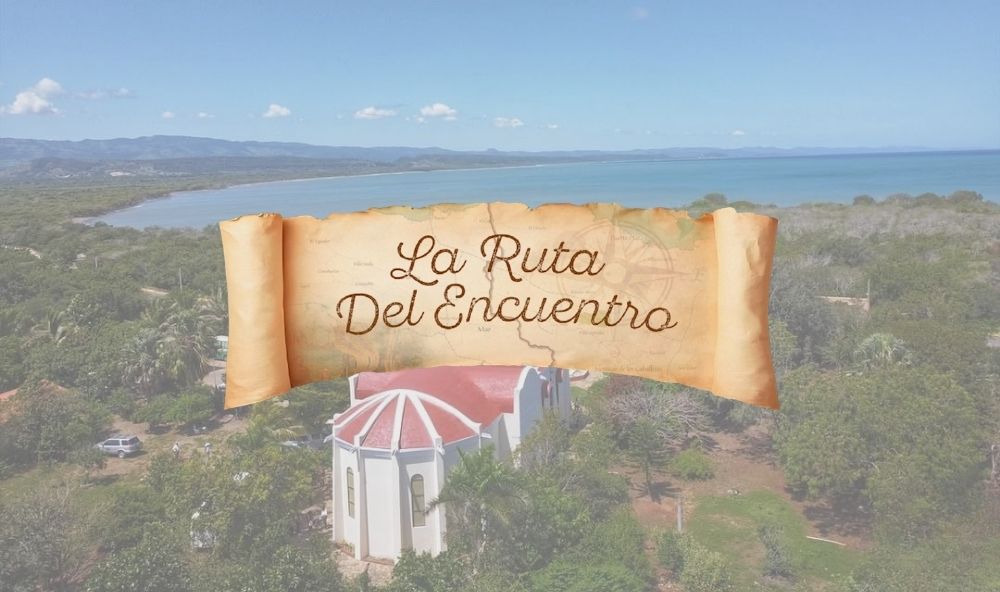
The Dominican Republic is leveraging its history to enrich its tourism offering. Presented by President Luis Abinader, the Ruta del Encuentro aims to create a new cultural itinerary connecting the country’s north to Santo Domingo. Stretching 450 kilometers, this tourist corridor is based on sites linked to the earliest European presence in the Caribbean, with the goal of turning this heritage into an organized and accessible travel experience.
Driven by the Dominican Academy of History, local authorities, the Spanish government, and private stakeholders, the project seeks to meet international standards while highlighting areas still largely outside mainstream tourist circuits.
A historic itinerary across the territory
Officially named the Ruta del Encuentro de Dos Civilizaciones, the project largely retraces the first European movements on the island in the late 15th century.
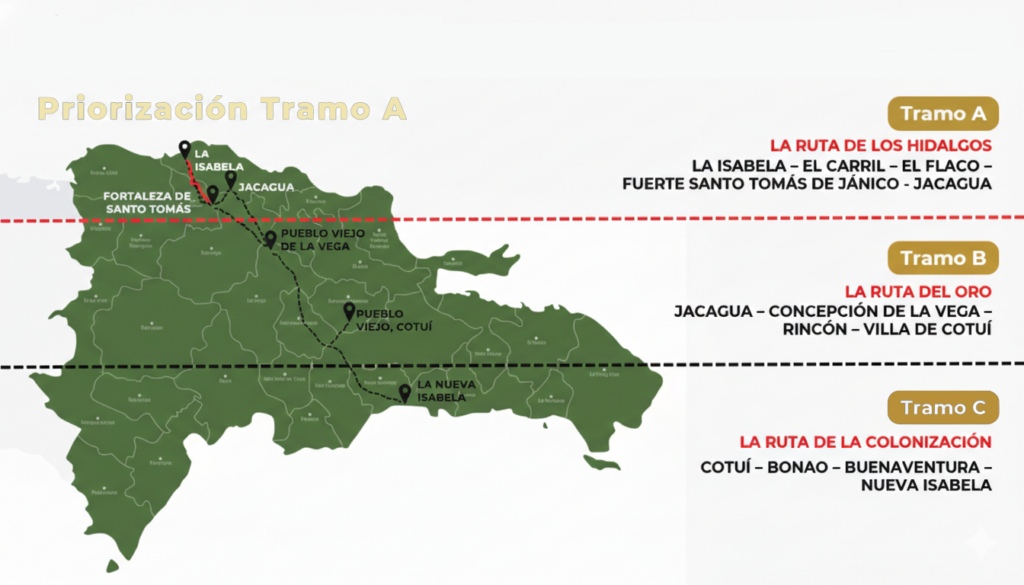
The route is organized into three main sections and includes over 60 historical sites identified by specialists:
- Section A (La Isabela – Jánico): starting point in Puerto Plata, considered the first European settlement in the Americas. The itinerary crosses northern landscapes, passing through archaeological remains, restored churches, and interpretive trails.
- Section B (Jánico – Cotuí): traverses the central Cibao region, combining colonial fortifications, rural roads, and small towns developing lodging and culinary experiences.
- Section C (Cotuí – Santo Domingo): arrival in the capital, linking urban heritage, archaeological sites, and religious buildings.
The itinerary is designed as a progressive journey, with daily stages of 20 to 30 kilometers, in a format inspired by the Camino de Santiago.
Targeted interventions to structure the experience
The project goes beyond merely creating a route. It includes concrete interventions at several key sites.
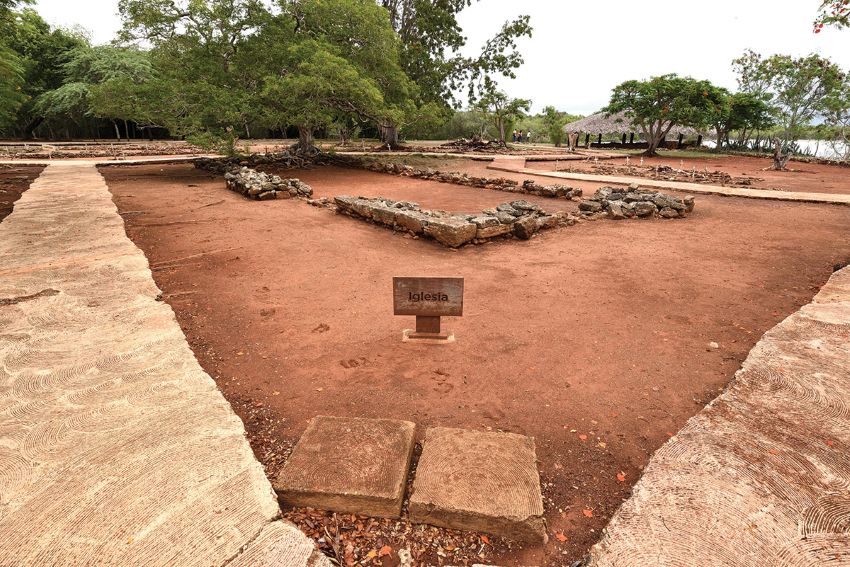
In La Isabela, restoration work has been carried out on the church, museum, and archaeological zones, making it a true entry point for the itinerary. The route development also includes interpretive trails, basic visitor infrastructure, and the enhancement of existing remains.
Initially, priority is given to Section A (La Isabela – Jánico), with other segments to be developed gradually, aiming eventually for the itinerary to be recognized as a World Heritage site.
A response to tourism diversification
This initiative is part of a broader strategy by the Dominican Republic to broaden its image beyond beach tourism. In 2025, the country welcomed 11.6 million visitors, a record level, up 4.3% from the previous year.
In this context, the Ruta del Encuentro targets specific segments —cultural, religious, and nature tourism— combining hiking, historical interpretation, and interaction with local communities.
A new way of reading the territory
Beyond tourism, the Ruta del Encuentro offers a new interpretation of heritage. It turns sometimes isolated sites —ruins, landscapes, villages— into a coherent route, where history becomes a guiding thread.
The goal is not only to preserve these places but to give them a role in the present, structuring itineraries that generate local activity and offer visitors a deeper, more rooted experience of the territory.
Photos: D.R | Ruta del Encuentro | Arquitexto