In western Panama, far from the most visited routes, the Klosay project is gaining visibility as one of the most accomplished examples of community-based tourism in Central America. Managed by the Ngäbe-Buglé Indigenous people, it is built on a balance between nature-based activities, cultural transmission, and local economic benefits, in a region still only partially integrated into tourist flows.
Located between Chiriquí and Bocas del Toro, the site follows an approach in which tourism becomes a development lever without deeply transforming the territory, while contributing to biodiversity conservation.
A model rooted in territory and local communities
Created in 1997, the Ngäbe-Buglé comarca is home to two of Panama’s main Indigenous groups. Although the region holds significant natural and cultural heritage, it continues to face challenges related to infrastructure and access to economic opportunities.
In this context, community-based tourism is gradually emerging as an alternative. It helps diversify income sources while preserving local ways of life. This initiative, supported by the Panama Tourism Authority, promotes a more balanced distribution of tourism activity across the country.
Beyond the local framework, this model is part of a broader trend in which travelers seek more direct experiences, closely connected to communities and their environments.
An experience structured around the journey
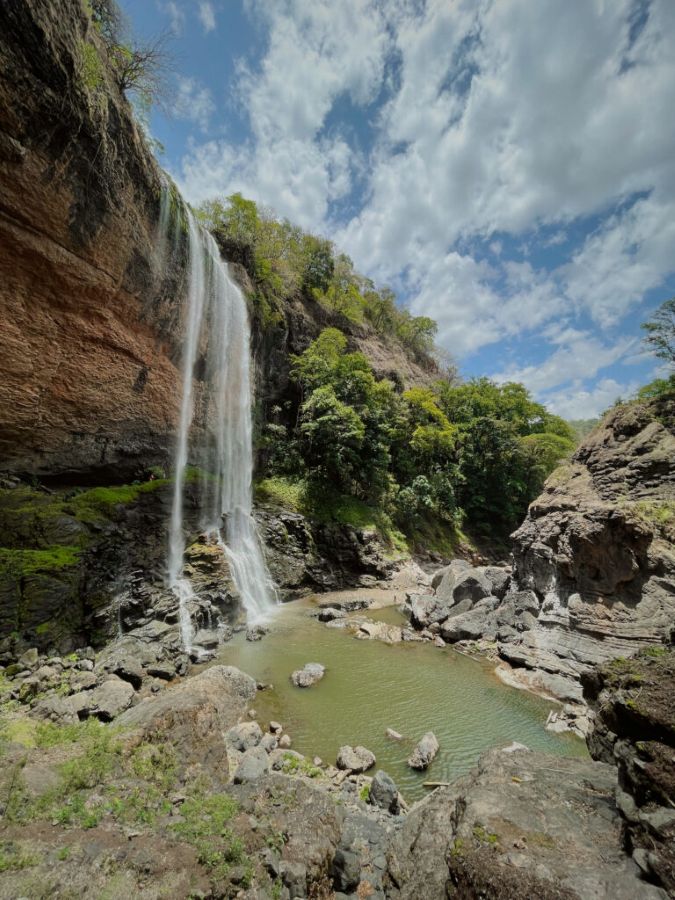
The project operates with small groups, limiting environmental impact and maintaining a pace adapted to the setting. Visits are generally by reservation and depend on weather conditions, particularly during the rainy season.
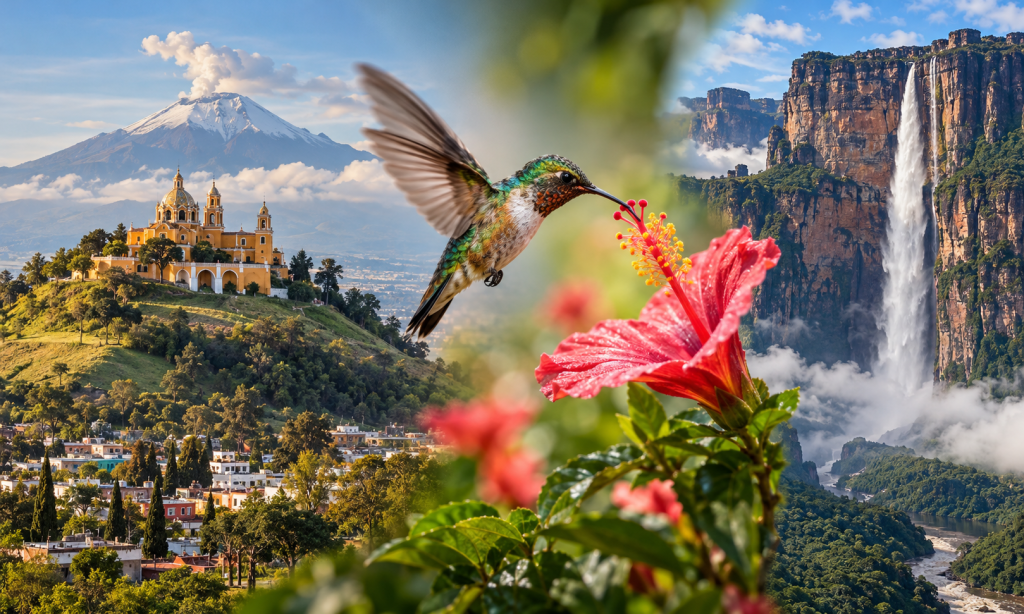
Access to the Klosay waterfall is on foot, along a trail crossing dense tropical forest. The route, kept in its natural state, can be demanding, but it is guided by local residents who share their knowledge, particularly regarding plant use and forest resources.
The absence of developed tourist infrastructure requires a certain level of independence from visitors. This organization is an integral part of the experience, where logistics and environment are closely connected.
Skills integrated into the experience
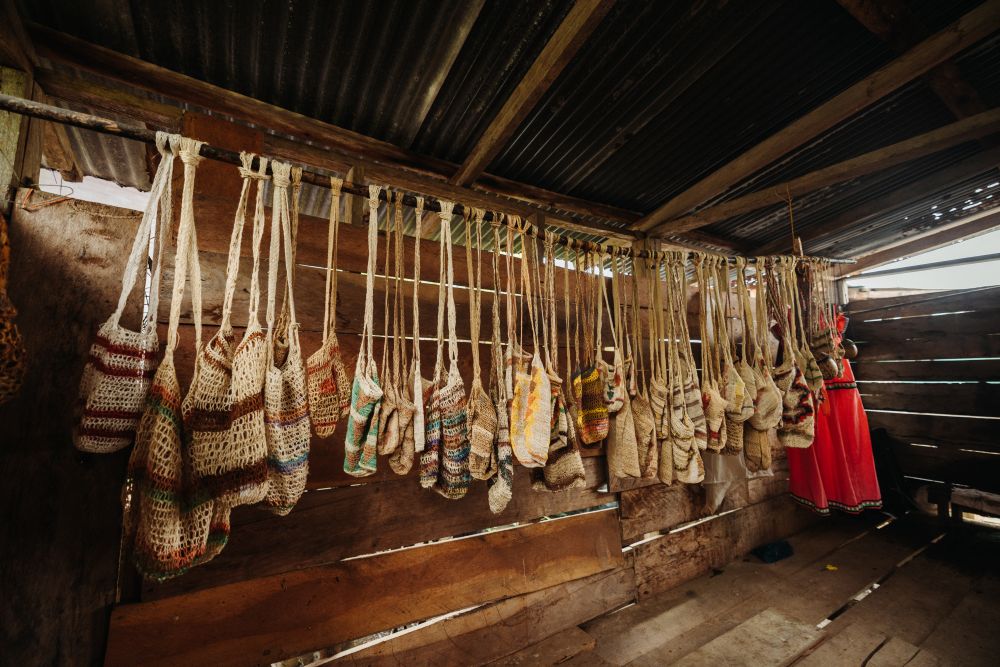
The community’s relationship with its environment is also reflected in its productive activities, which are integrated into the visitor experience. Organic cocoa production, partly intended for export, allows visitors to follow the entire process from cultivation to chocolate transformation. Coffee also plays an important role in the region, with selective harvesting practices developed by the Ngäbe population.
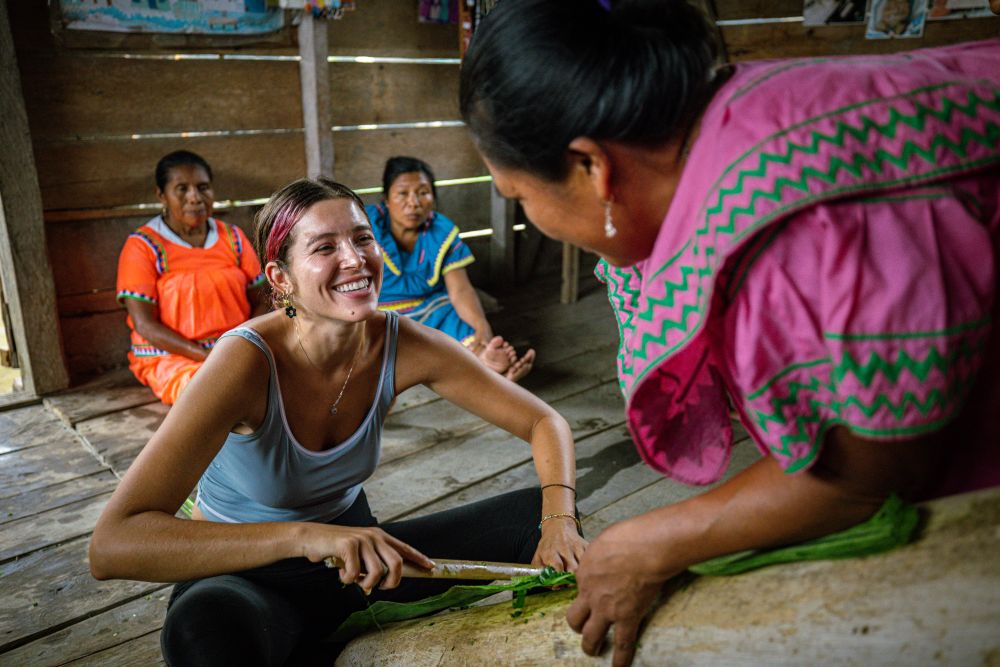
Cultural visits also include traditional dances, craft workshops, and the making of the chácara, a woven bag made from natural fibers used in daily life. Local craftsmanship also includes hats, necklaces called chakiras, and the nagua, a traditional colorful garment.
Our article: Cacao Story: Latin America, the cradle of chocolate
A repositioning aligned with the national strategy
After surpassing three million international visitors in 2025, Panama continues its growth, with nearly one million arrivals in the first quarter, a 17.3% increase, generating more than 2 billion dollars in revenue.
In this context, the country’s tourism strategy combines the development of the MICE segment, with 86 events scheduled in 2026, and a rebalancing toward inland regions. Nature, culture, and community-based tourism experiences are thus taking an increasingly important place in Panama’s tourism offering.
The Klosay project is not limited to an isolated experience. It illustrates a broader evolution, where tourism is structured around lower-impact formats built together with local communities. For professionals, this type of initiative opens new perspectives with clients seeking more direct and less standardized experiences. As these projects gain visibility, they are gradually reshaping the role of inland regions in Panama’s tourism development.
Photos: Visit Panama | D.R