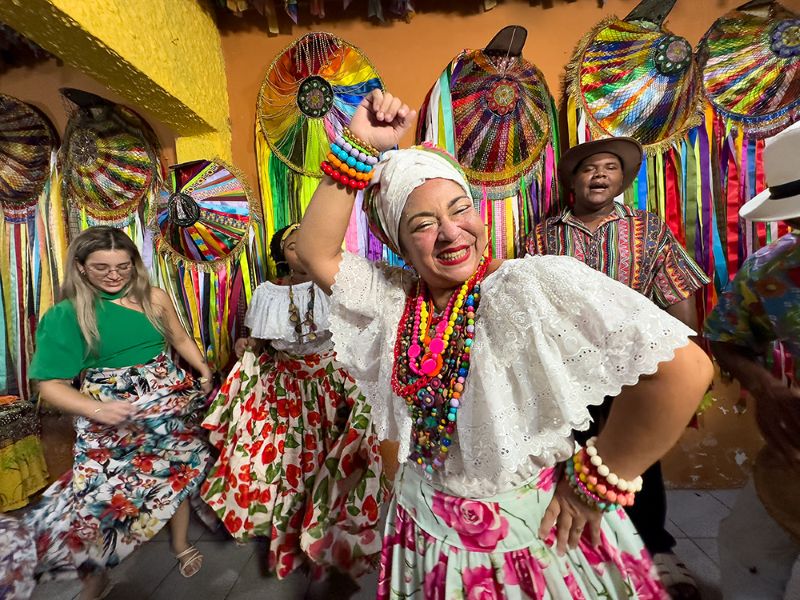

In Brazil, afrotourism is not just a tourism segment. It is deeply connected to the country’s history, its cities, its music, its religious traditions, its cuisine, and its territories of memory. With the largest Afro-descendant population outside Africa, the country has a unique foundation to connect with travelers seeking culture, ancestry, and a sense of belonging.
It is within this perspective that Embratur, the Brazilian agency for international tourism promotion, has joined the Black Travel Alliance, one of the leading international organizations dedicated to Afro-descendant tourism.
A strategy focused on the United States and Europe
This membership, announced during the Fortaleza Tourism Fair, allows Brazil to integrate an active network, particularly in the United States and Europe, connected to content creators, journalists, operators, travel agents, and specialized opinion leaders. The North American dimension is especially important: the U.S. market represents one of the most strategic audiences for this type of experience, both because of its purchasing power and the growing interest in travel linked to roots, memory, and Afro-descendant cultures.
“ Since 2023, Embratur has committed to strengthening afrotourism as a strategic axis of Brazil’s international promotion. Since then, we have advanced in positioning the country as a global reference in tourism with Black protagonism, recognizing the potential of the Black Brazilian population as a central driver of this development, ” explained Tânia Neres, Coordinator of Afrotourism, Diversity and Indigenous Peoples at Embratur.
The alliance will now make it possible to develop targeted campaigns, webinars with international operators, specialized consultations, and promotional actions linked to the Black Travel Summit, the main B2B event in the segment, whose next edition will take place in Milwaukee from October 15 to 18, 2026.
Telling Brazil in a more accurate way
The agreement also includes technical support to improve the international communication of Brand Brazil. The challenge is significant: addressing these heritages requires moving beyond simplified images, better contextualizing narratives, and ensuring a culturally accurate approach.
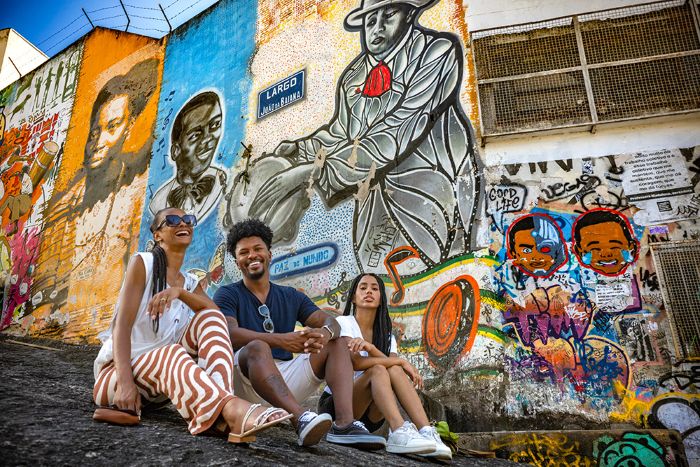
The country already offers experiences capable of embodying this ambition. In Rio de Janeiro, the Pequena África route explores key sites of Afro-Brazilian memory in the port area, from the Museum of Art of Rio to Morro da Conceição, passing through Largo de São Francisco da Prainha. In the same city, the Carnaval Experience, at Cidade do Samba, offers a behind-the-scenes look at carnival production, including floats, costumes, workshops, and samba initiation.
In Salvador da Bahia, the Caminho dos Orixás offers immersion in Afro-Brazilian traditions through candomblé terreiros recognized as part of Brazil’s cultural heritage. The Tour Bahia Negra complements this approach by combining history, gastronomy, culture, and contemporary expressions of African heritage.
Our article: “It’s a vibe”: Brazil lets its soul speak through tourism
Experiences beyond the main circuits
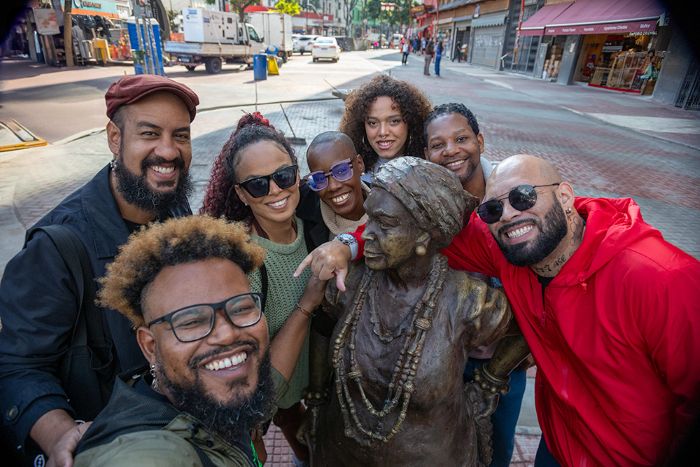
Other cities also contribute to this reading of the country. In São Paulo, the Walk Tour São Paulo Negra highlights spaces of recognition and resistance, repositioning Black presence within the history of Brazil’s largest metropolis. In São Luís do Maranhão, the Quilombo Urbano da Liberdade, described as the largest urban quilombo in Latin America, offers an experience where culture is lived through streets, drums, and local practices.
By joining this international network, Brazil is not only promoting a new tourism theme. It is affirming a more precise way of presenting its territory, through memories, communities, and creative expressions that continue to shape the country.
For tourism professionals, this approach opens concrete opportunities: better identification of existing products, a clearer understanding of a growing market—especially in the United States—and the integration of these experiences into a more diversified and more accurate Brazilian tourism offering.
Photos: Embratur