
LGBTQ+ tourism is entering a new phase. Long approached from a marketing or positioning perspective, it is now becoming part of the very structure of the tourism offer. The partnership between Queer Destinations and HBX Group, announced alongside the launch of a global platform by the end of 2026, reflects this shift.
A platform that structures supply and guides demand
Within this initiative, Queer Destinations contributes through its “Queer Destinations Committed” program, which certifies destinations, companies, and public institutions based on specific criteria, supported by training tailored to the expectations of LGBTQ+ travelers.
HBX Group, for its part, brings the technological dimension, with its B2B distribution capabilities, connectivity, and access to an international network of accommodations and services.
The platform developed by both entities brings these elements together in a single environment: certification, training, and access to global inventory. The services included have been previously evaluated based on their inclusive policies and staff preparedness.
In practical terms, bookings are directed toward providers that meet these standards, introducing an additional level of trust at the time of purchase.
Latin America included from the first phase
The rollout will begin in several strategic markets, particularly in Europe with Spain and Greece, but also in Latin America, where Mexico and Brazil play a central role.

In Mexico, Puerto Vallarta has established itself as a benchmark destination for this segment, with a concentrated offer of hotels, bars, and tailored experiences. In Mexico City, Zona Rosa—especially around Amberes Street—functions as an active hub for nightlife and specialized services throughout the year.
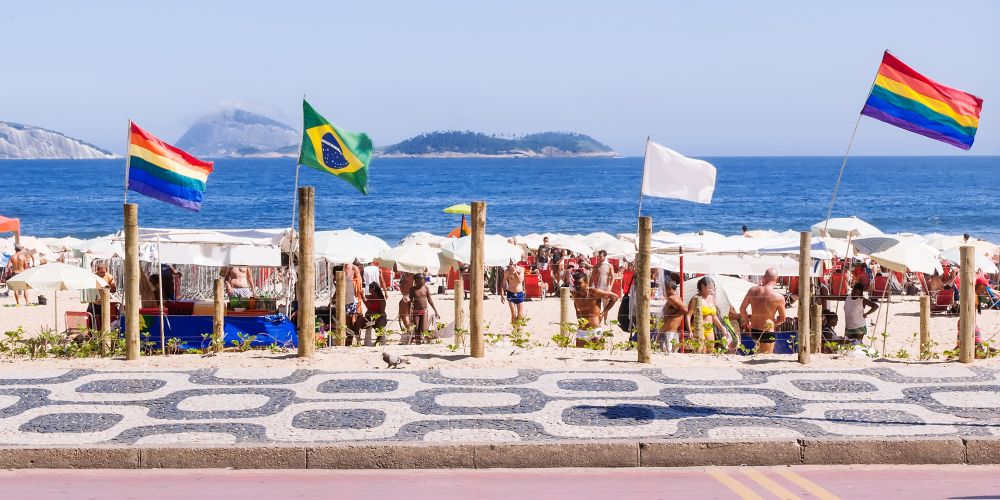
In Brazil, Rio de Janeiro offers a structured ecosystem across Copacabana, Barra da Tijuca, and especially Ipanema, around Farme de Amoedo Street, one of the main LGBTQ+ areas. São Paulo complements this landscape with the largest Pride in the world and a dense network of cultural and leisure venues, particularly in the Jardins and Vila Madalena districts.
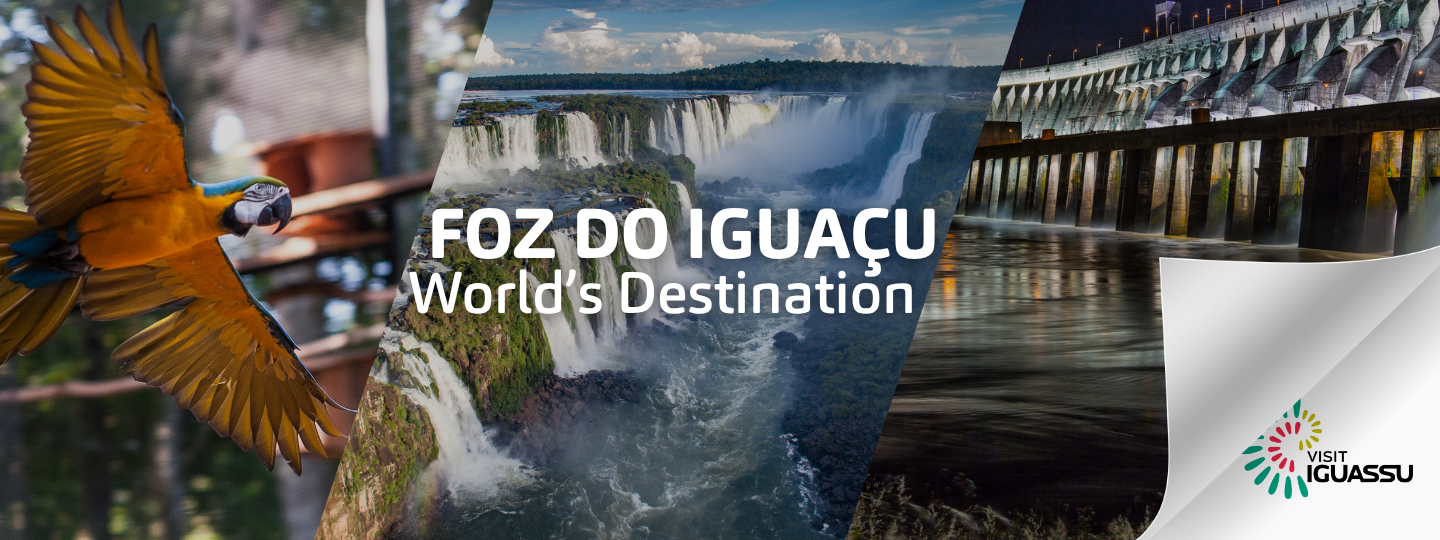
At the same time, the Iguazú region is developing a dedicated protocol for LGBTQ+ visitors and strengthening its positioning through its affiliation with the International LGBTQ+ Travel Association.
You may also like: Iguazú Falls: A Natural Spectacle on the Border of Two Worlds
A segment with significant economic weight
This initiative comes at a time of continued growth in LGBTQ+ tourism. According to LGBT Capital, this market represents approximately $3.7 billion in annual spending worldwide.
However, one key point stands out: these flows do not always benefit destinations or businesses with clearly identified inclusive policies. The platform’s objective is precisely to better direct this demand toward stakeholders that meet these criteria.
Beyond technology and certification, the main challenge lies in the ability of destinations to consistently apply these standards, from promotion to the on-site experience. In markets such as Latin America, where demand is growing rapidly, this step remains uneven. The evolution of this initiative will make it possible to observe how these standards are concretely integrated into tourism offerings and local practices.
Photos: Ekaterina Belova | D.R