
The Michelin Guide Buenos Aires & Mendoza 2026 was unveiled on July 13, with a selection that confirms Argentina’s gradual establishment on the international gastronomy scene. For this new edition, 89 establishments have been recognized, including 14 starred restaurants, 11 Bib Gourmand and 64 recommended addresses.
Behind the figures, this third edition mainly tells the story of the balance taking shape between two different scenes. Buenos Aires retains its role as a gastronomy capital, with a broad urban offer driven by fine-dining restaurants, more accessible tables and influences from around the world. Mendoza, for its part, continues to connect gastronomy, wine and local production, with three of the four new stars awarded this year.
“I am delighted to present the MICHELIN Guide Buenos Aires and Mendoza 2026, which illustrates the tremendous vitality of Argentina’s restaurant sector. (…) our inspectors were pleasantly surprised by the variety of the local gastronomic offer. While the capital stands out for the many styles of cuisine represented, Mendoza distinguishes itself through appealing proposals that honor the richness of its local terroir: its vegetable gardens, farms, rivers and mountains…” Gwendal Poullennec, International Director of the Michelin Guide
Aramburu remains at the top of the selection
In Buenos Aires, Aramburu retains its two Michelin Stars and remains the most awarded restaurant in the Argentine selection. Located in Recoleta, the address led by chef Gonzalo Aramburu has established its name among the country’s major tables, with a tasting menu that works with Argentine products in a contemporary register.
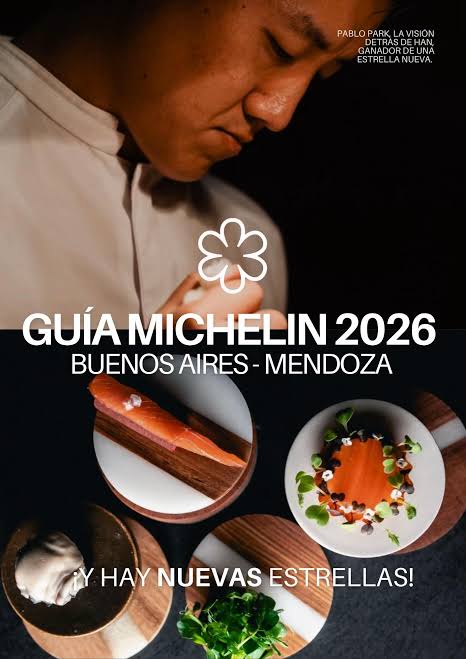
The capital also welcomes one of the new starred restaurants in this edition: Han, in Villa Crespo. Chef Pablo Park’s restaurant offers contemporary Korean cuisine, served in an intimate format around a counter and tasting menus. Its entry into the starred selection confirms the place gained by internationally influenced cuisines in a city long associated abroad with meat, parrillas and classic fine dining.
Buenos Aires also remains the center of the Bib Gourmand distinctions in Argentina. The two new additions in this category, Chuchú and Garabato Bistro, are both in the capital. This point is not anecdotal: it recalls that the city is not limited to starred restaurants, but also maintains a scene of bistros, neo-cantinas and neighborhood addresses that add depth to its culinary offer.
Mendoza gains ground
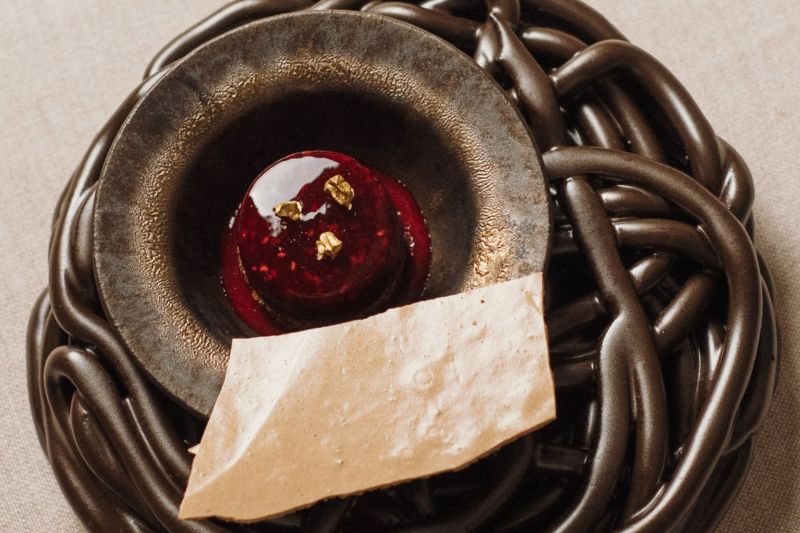
The most interesting reading of this edition may come from Mendoza. Three new addresses there receive one Michelin Star: Cal, Centauro and La VidA. All three show, each in its own way, how the province is building a gastronomy linked to its immediate environment, its products and its wine universe.
Cal, located on a family estate southwest of Mendoza, also receives a Green Star, a distinction awarded to restaurants committed to more responsible practices. Chef Enzo González Petra works there with a multi-course menu built around products from the vegetable garden, the farm and the estate’s resources. This recognition gives particular visibility to a cuisine seeking a direct relationship with its place of production.
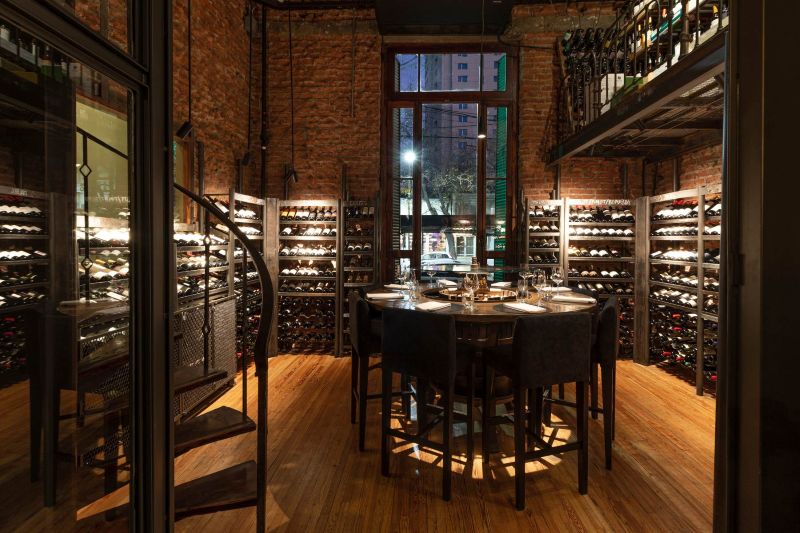
Centauro, set in a former mansion, and La VidA, within Susana Balbo Winemaker’s House & Spa Suites in Chacras de Coria, reinforce the same idea: in Mendoza, the meal is often part of a broader moment, where wines, estates, accommodation and agricultural landscapes matter as much as the table. Sommellerie also occupies an important place in this edition, with a special award given to Camila Torta, from the restaurant Azafrán, also in Mendoza.
Gastronomy becomes a travel argument
The arrival of the Michelin Guide in Argentina had already given international recognition to Buenos Aires and Mendoza. The 2026 edition goes a little further: it no longer only signals the presence of good restaurants, it helps better understand how gastronomy can become part of a trip.
In Buenos Aires, cuisine accompanies the discovery of the city. Chef-led restaurants, neighborhood bodegones, wine bars, historic cafés and cuisines influenced by different parts of the world make up a highly diverse scene, changing from one district to another. The city can also integrate this culinary dimension into broader programs, particularly around events, congresses, corporate travel or incentives.
In Mendoza, the table is more naturally connected to estates, wineries, guesthouses, vineyard landscapes and that very local way of moving from the glass to the plate. Gastronomy does not come as an addition there: it fits into a day of visits, a tasting, a bodega lunch or a stay built around wine.
Our article: Guide to identify a traditional Buenos Aires café
For a trip to Argentina, the association between the two destinations therefore becomes more interesting to work with: a dense, open and highly urban capital on one side, and a wine province where the meal extends the relationship with the landscape on the other. The 2026 Michelin Guide provides clear reference points, but above all an additional reason to consider Buenos Aires and Mendoza as two complementary stages of the same gastronomy journey.
Photos: Guide Michelin