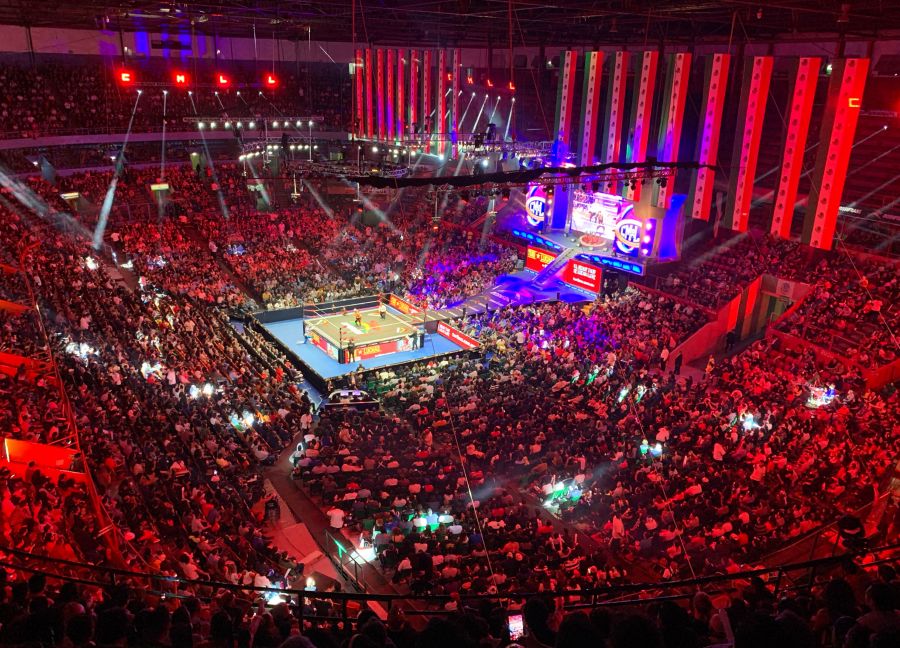

The spotlights come on, the music starts, smoke fills the entrance. A wrestler appears, masked, already a character before even stepping into the ring. In the stands, the noise rises immediately: cheers, boos, insults aimed at the night’s rudo. The bell has not even rung, and the crowd is already part of the fight.
This is one of the defining strengths of Mexican lucha libre: it is never something you watch from a distance. People come for the holds, the jumps from the ropes, the bodies slammed to the mat, but also for the drama, the masks, the rivalries, and that very Mexican way of turning a sporting confrontation into a popular spectacle. Here, the ring is a stage—but one where the audience also plays its role.
From travelling shows to a Mexican identity
The origins of lucha libre in Mexico date back to the 19th century, when Greco-Roman wrestling exhibitions were held during the French Intervention. Over time, these demonstrations blended with European catch wrestling, American wrestling, and Japanese jiu-jitsu, arriving in the country through travelling shows staged in tents, theatres, and arenas.
The real turning point came in 1933. Salvador Lutteroth, impressed by fights he had seen in Texas, founded the Empresa Mexicana de Lucha Libre, now the Consejo Mundial de Lucha Libre (CMLL). From that moment on, lucha libre took on its own form: identifiable characters, rivalries, the staging of good versus evil, and above all, the mask as a central element of the spectacle.
The power of the mask
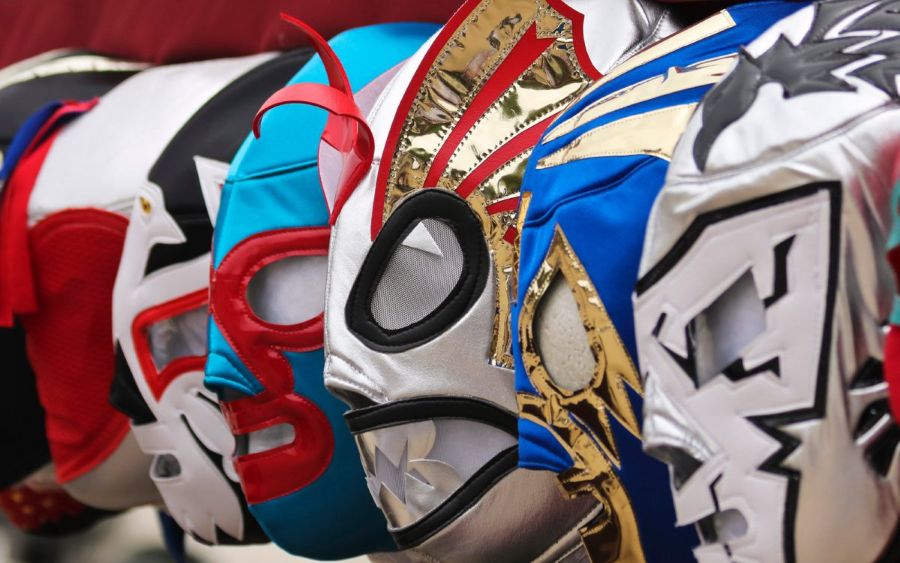
In lucha libre, the mask is not merely an accessory. It gives a face to the character, even while hiding the wrestler’s real one. Inspired by animals, fantastical creatures, pre-Hispanic deities, or heroic figures, it carries a story, a reputation, and sometimes even a legacy.
This is why máscara contra máscara matches hold such a special place. The loser must reveal their identity in front of the crowd. For a masked wrestler, this defeat goes beyond the sporting result: it affects honour, prestige, and the memory of the character itself.
No figure embodies this power better than El Santo. His silver mask became one of the great symbols of Mexican popular culture. He never showed his face in public, extending the mystery of the ring into everyday life.
Rudos and técnicos: the expected battle
Each show is built on a hero-versus-villain opposition that the audience fully understands. On one side, the técnicos, associated with discipline, loyalty, and a certain elegance in combat. On the other, the rudos, who provoke, cheat, disrupt the rhythm, and try to turn the crowd against them.
This structure is not secondary. It gives the audience a role: they boo, they cheer, they anticipate the return of their favourite, they follow each move as if their voice could influence the outcome.
Matches usually take place in two out of three falls. Victory is achieved by pinning the opponent for three seconds, forcing submission, or through disqualification. The most common formats range from singles matches to highly popular tag team bouts and trios matches, a format strongly associated with Mexican wrestling.
Mexico City, capital of the ring
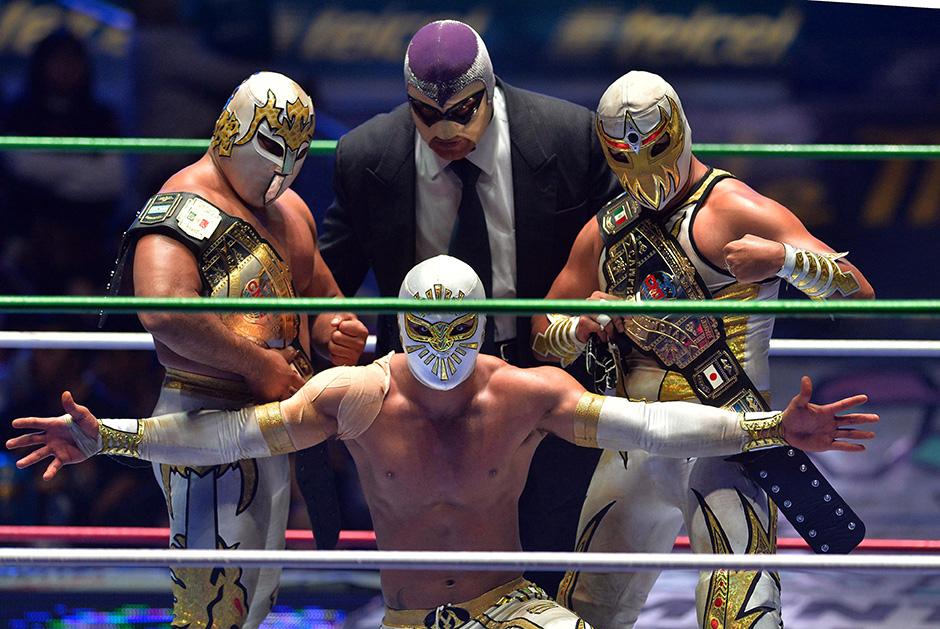
To truly understand lucha libre, nothing replaces a night at Arena México. Opened in 1956 in the Doctores neighbourhood, this 16,000-seat venue is often called the “cathedral of lucha libre.” Its Viernes Espectaculares events bring together some of the most anticipated cards of the CMLL and remain one of Mexico City’s most unique cultural experiences.
Older and more intimate, Arena Coliseo holds a special place. Inaugurated in 1943 in the historic centre on República de Perú street, it is known as “El Embudo de Perú 77.” It has hosted legendary matches, including the iconic máscara contra máscara clash between El Santo and Black Shadow in 1952. It still hosts regular events, preserving the atmosphere of the old arenas where this popular tradition was born.
Our article: Mexico During the World Cup: What to See Between Matches
Beyond the ring: cinema, food and pop culture
Lucha libre has never been limited to arenas. In the 1950s and 1960s, star wrestlers became film heroes, fighting vampires, monsters, and mad scientists in now-cult movies. These productions helped turn the masked wrestler into a figure of the Mexican imagination, halfway between athlete, vigilante, and fantasy character.
Later, films such as Nacho Libre and the documentary series Lucha México extended this visibility internationally, showing both the excess, the discipline, and the deeply human side of this world.
In Mexico City, this aesthetic remains widely present. In markets such as La Ciudadela or shops in the historic centre, masks, capes, posters, and figurines inspired by wrestling legends can be found. The universe of lucha libre even extends to food, with themed restaurants such as Tortas El Cuadrilátero, founded by former wrestler Súper Astro.
In the end, what remains after a night of lucha libre is not only the noise of the arena or the colour of the masks. It is also the respect that those who step into the ring ultimately command. Behind the characters, the provocations, and the spectacular jumps, there are athletes—professionals trained to absorb impact, fall, and rise again, sometimes at real risk.
This mixture is what explains the audience’s attachment. Wrestlers are at once athletes, actors, folk heroes, and neighbourhood figures. They are cheered, booed, followed like serial characters, but also recognised for the risks they take to make the spectacle exist. In a Mexican arena, the boundary between play and emotion is never entirely clear. And that is precisely where lucha libre finds its strength: in its ability to move the crowd while reminding them that, beneath the mask, someone is truly fighting.
Photos: CMLL | Derrick Neill