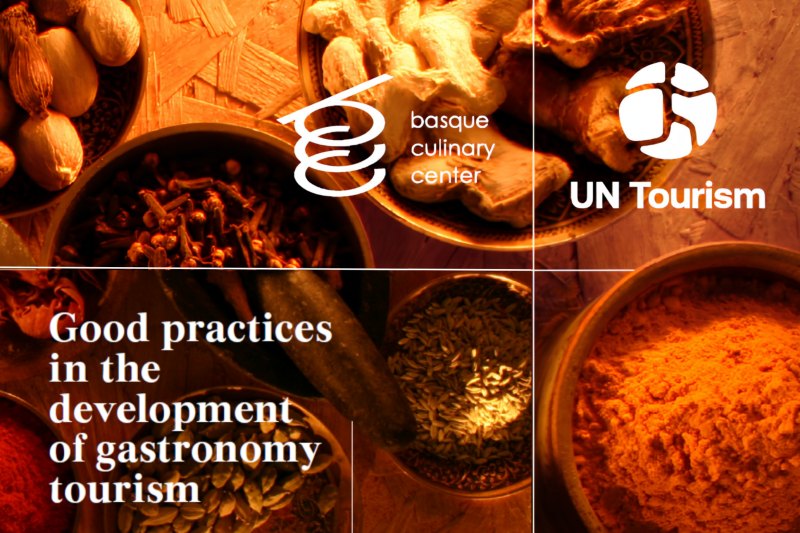
Long associated with tables, markets and local specialties, gastronomy tourism is now increasingly being treated as a tourism development tool in its own right. In its report Good practices in the development of gastronomy tourism, published with the Basque Culinary Center, UN Tourism shows how several territories have integrated gastronomy into their destination policies, promotion strategies, local sectors and governance models.
For Latin America, the subject goes far beyond highlighting emblematic dishes or recognized restaurants. Cuisine is becoming a way to connect tourism, agriculture, fishing, culture, training, innovation and local development. The report analyzes eight cases around the world, three of which directly concern the region: Brazil, Chile and the state of Quintana Roo, in Mexico. These three examples show an important evolution: gastronomy is no longer limited to accompanying travel, it helps structure the tourism offer.
From culinary experience to tourism organization
This approach extends the work undertaken for several years by UN Tourism and the Basque Culinary Center around gastronomy tourism. In 2019, the two institutions published guidelines designed to help destinations plan, manage and develop this segment. The new report no longer presents only principles, but observes how they are being implemented in territories that have begun to turn these recommendations into plans, programs or strategies.
One of the most interesting points in the document lies in its warning against standardization. The success of gastronomy tourism can in fact produce the opposite effect to the one sought: cuisine adapted to the supposed expectations of visitors, repetitive experiences, a loss of connection with local practices and, ultimately, an offer that no longer truly resembles the territory it claims to represent. To remain relevant, tourism gastronomy must therefore preserve its identity, while organizing itself to be readable, accessible and marketable.
This is precisely the balance sought by the destinations studied. The report emphasizes several common factors: strategic planning, participation by local actors, support for producers, training, the creation of experiences, sustainability, digital tools and evaluation mechanisms. In this logic, gastronomy is not only promotional content. It becomes an organized ecosystem, capable of connecting local production, know-how, tourism and territorial development.
On the same topic: Gastronomy tourism: a bridge between agriculture, gastronomy and sustainable development
Brazil, a national strategy built around culinary diversity
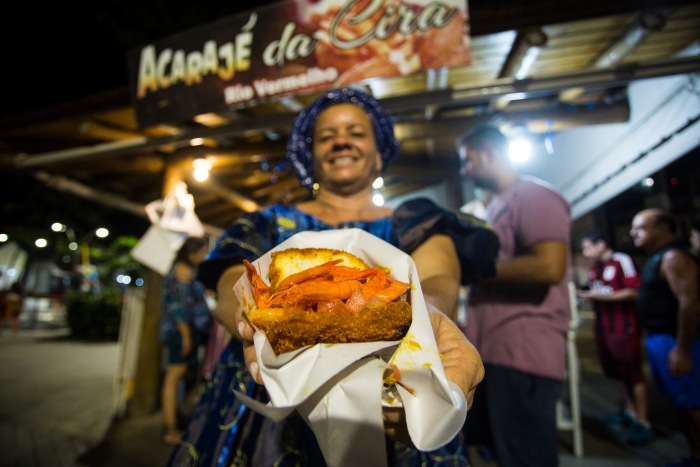
In Brazil, the national gastronomy tourism program Gosto Pelo Brasil, led by the Ministry of Tourism and Embratur, seeks to highlight the scale and diversity of regional cuisines. The country has a culinary heritage shaped by Indigenous, African and European influences, but also by a wide variety of products, food traditions and agricultural landscapes.
The Brazilian approach is based on a national ambition: to make gastronomy an element of competitiveness for destinations. The program provides for the structuring of products and experiences, the dissemination of studies, training for actors, support for priority production chains and international promotion. Among the results cited, the report mentions in particular an action plan for the 2023-2030 period, a market intelligence bulletin, a portfolio of gastronomy routes, experiences and events, as well as a training program.
The interest of the Brazilian case lies in its change of scale. In a continental country, where cuisines vary greatly from one region to another, the challenge is not to create a single image of national gastronomy. Rather, it is to give territories tools to better identify their resources, organize their offers and connect producers, destinations, events and visitors.
Chile, a roadmap to organize the gastronomy experience
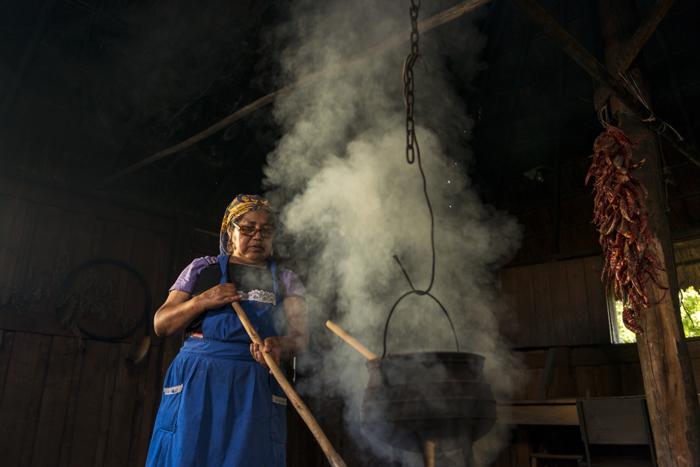
Chile adopts another method, with a roadmap dedicated to the gastronomy experience in tourism for the 2024-2030 period. Led by the Undersecretariat for Tourism, this strategy starts from an observation: gastronomy can strengthen the country’s positioning, but it must be considered through its territories, products and actors.
The report highlights the importance of territories in this approach: the coastline, valleys, wine regions, southern regions, islands and territories linked to Indigenous cultures make it possible to build a more precise reading of the offer. The objective is not only to promote a national cuisine, but to organize experiences based on local ingredients, know-how, regional recipes and the professionalization of services.
The Chilean roadmap also emphasizes training, innovation, sustainability and coordination between the public and private sectors. It includes actions around promotion, the use of local recipes and ingredients, national governance, sector training and the development of experiences. For a destination already strongly associated with nature, wine and wide landscapes, gastronomy can thus become a strategic complement capable of enriching itineraries and better distributing tourism value.
Quintana Roo, gastronomy as a diversification tool for the Caribe Mexicano
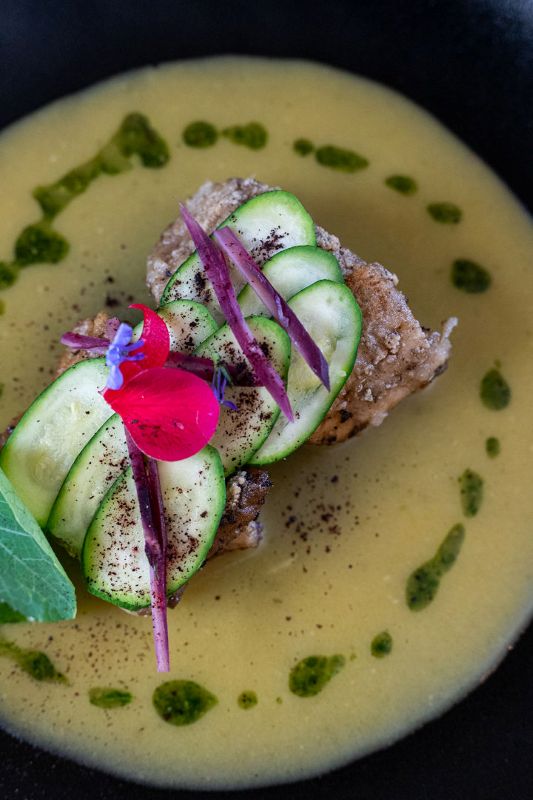
The case of Quintana Roo is particularly interesting, as it concerns one of the best-known tourism territories in Latin America. Associated with Cancún, the Riviera Maya, islands and seaside destinations in the Mexican Caribbean, the state is seeking to give greater space to its gastronomy within an offer often dominated by sun, beach, resorts and archaeological sites.
Quintana Roo’s gastronomy promotion strategy, developed for the 2021-2030 period, is led by the State Secretariat of Tourism and a committee bringing together public, private, academic and social actors. This organization shows that gastronomy is treated as a cross-cutting subject: it concerns producers, traditional cooks, restaurants, institutions, universities, businesses and visitors.
The report mentions several tools already put in place: a dedicated official website, a digital gastronomy library, the Festival Gastronómico del Caribe Mexicano, organized with the participation of the twelve destinations of the Caribe Mexicano, as well as the publication Sabores y Raíces: Un viaje por el Caribe Mexicano.
For Quintana Roo, the challenge is clear: to use gastronomy to broaden the perception of the destination. This strategy makes it possible to highlight seafood products, local ingredients, popular cuisines, Mayan traditions, production circuits and links with communities. It also helps include gastronomy among the territory’s strategic segments for tourism diversification.
A new reading of Latin America’s potential
These three examples do not, on their own, summarize Latin America. They do, however, show a trend affecting many destinations in the region: gastronomy is moving from the realm of image to that of method. It no longer serves only to attract travelers. It can help organize sectors, support producers, qualify experiences, train local actors and create tourism proposals that are less interchangeable.
This evolution also responds to broader demand. Visitors no longer seek only to eat local food during their stay. They are interested in markets, producers, agricultural routes, preparation techniques, drinks, festivals, culinary traditions and the narratives that connect a product to a territory. For destinations, this demand represents an opportunity, provided that local cuisine is not turned into a backdrop.
The report by UN Tourism and the Basque Culinary Center thus recalls an essential idea: gastronomy tourism is sustainable only if it protects what makes it attractive. In Latin America, where cuisines are linked to complex histories, productive landscapes and Indigenous, African, European and mixed cultures, the challenge is considerable. Promoting gastronomy is no longer enough. It must be organized, documented, transmitted and integrated into destination strategies capable of creating value for territories.
Photos: UN Tourism | Embratur / Marcio Filho | Sernatur | Secretaria de Turismo de Quintana Roo