
In northwestern Argentina, Jujuy is adding a new proposal to its tourism offer with the launch of the Tren del Vino. On July 26, 2026, the Tren Solar de la Quebrada will inaugurate this wine tourism experience combining train travel, tastings, bodegas and high-altitude wines.
The initiative comes at the right time. The Ruta del Vino Jujuy was named best wine route and received three distinctions at the WineXplorers Awards 2026, giving greater visibility to a wine region that remains less known internationally than Mendoza or Salta. With the Tren del Vino, this recognition takes on an easy-to-understand format: a day organized around wine, landscapes and local producers.
A solar train in northern Argentina
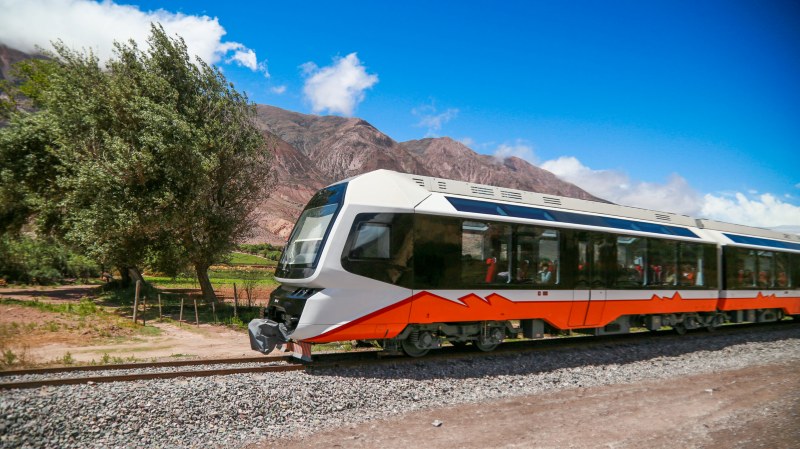
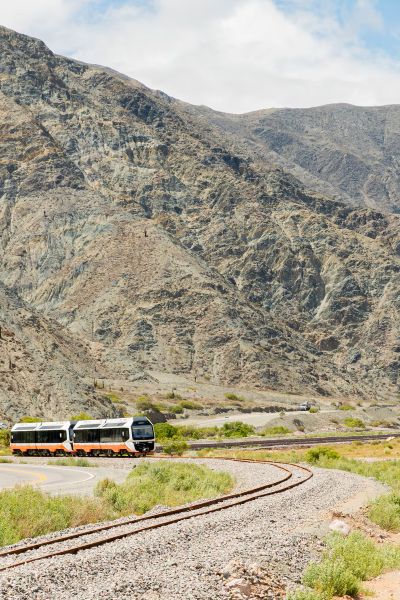
The Tren Solar de la Quebrada occupies a distinct place in the country’s tourism offer. Presented as Latin America’s first solar train, it runs on solar energy with an announced autonomy of 100 to 120 kilometers.
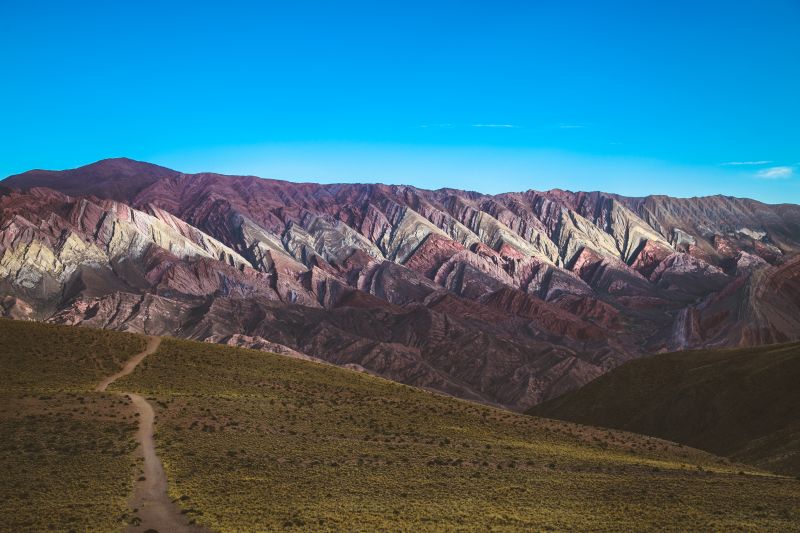
This sustainable dimension is not only technical. In a region where distances, altitude and reliefs are fully part of the journey, the train offers a gentler way to travel through the listed landscapes of the Quebrada de Humahuaca, a UNESCO World Heritage Site. The journey itself then becomes part of the experience, rather than a simple transfer between two stops.
A day between Volcán, bodegas and tastings
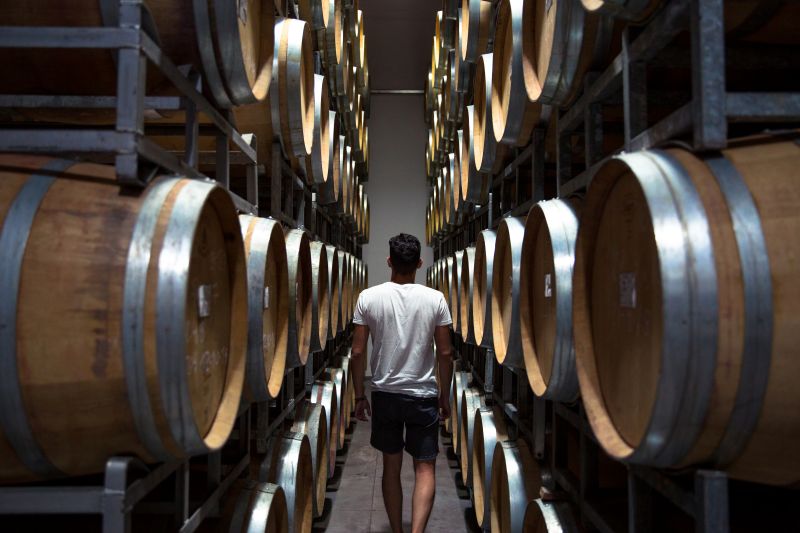
The Tren del Vino program begins in Volcán, after transfers offered from Salta, San Salvador de Jujuy or Tilcara. On board, guides and sommeliers accompany travelers and introduce the specific characteristics of the Ruta del Vino Jujuy: grape varieties, growing conditions, altitudes and the differences between wines from the valleys and those produced higher in the Andes.
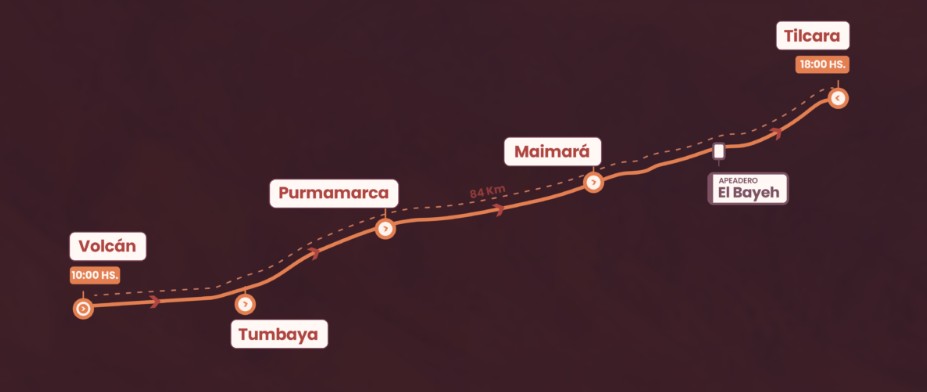
The first stop takes place in Tumbaya, with a tasting offered by Antropo Wines and Bodega El Molle. The route then continues toward Purmamarca, where Amanecer Andino welcomes passengers for a food and wine pairing lunch and a visit to the bodega.

Later, the stop in Maimará offers the chance to discover other wine profiles with Bodega Yanay and Fernando Dupont, one of the most recognized names in regional viticulture. The train then continues to Bodega El Bayeh, for a tasting and guided visit, before arriving in Tilcara, where the Tren Solar Wine Shop closes the day with a selection of wines from the province.
The value of the format lies in its simplicity: the entire experience is brought together in a single day, making it easier to access bodegas that can sometimes be more difficult to combine separately.
High-altitude wines as a guiding thread
The Tren del Vino also tells another side of Jujuy. The province is not seeking to reproduce the model of the major neighboring wine regions. Its wines belong to a different environment, at high altitude, in dry and mineral valleys where growing conditions give local productions a very distinct identity.
For travelers, this experience offers another way to approach the region. Purmamarca, Maimará and Tilcara are no longer only stops associated with Andean landscapes: they also become places of production, tasting and encounter with the people who bring this wine route to life.
A train developing its experiences
The launch of the Tren del Vino forms part of a broader evolution of the Tren Solar. The train already offers an experience called Cielo en Movimiento, a night outing scheduled between June and September 2026 around astronomical observation, stories linked to the Andean sky, dinner under the stars and an evening train ride.
These formats show how the train is gradually moving beyond the role of railway attraction. It is becoming a support for organizing experiences around what the region offers most specifically: its villages, its sky, its local productions, its landscapes and a form of mobility designed with a more limited impact.
With the Tren del Vino, Jujuy is therefore adding a clear proposal to its offer: a day around high-altitude wines, supported by a solar train and local producers. A way to make the journey part of the travel experience, by connecting the landscape with what is produced, tasted and told in northern Argentina.
Photos: Tren Solar de la Quebrada | INPROTUR