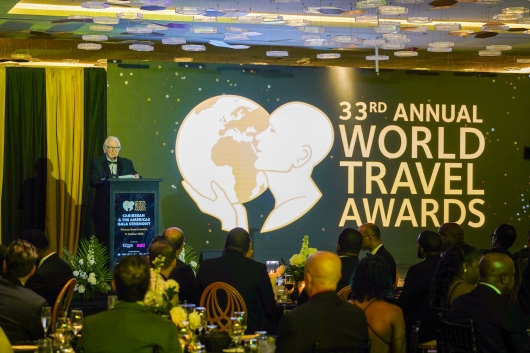

The World Travel Awards have revealed their 2026 winners for the Americas and the Caribbean during a ceremony held in Jamaica as part of World Travel Week Jamaica. The awards cover a wide range of categories, from hotels to airlines, but they also highlight the Latin American countries, cities and regions gaining visibility this year.
Peru and Chile, two major South American stories
In South America, Peru stands out as one of the major winners. The country was named South America’s Leading Destination, as well as Leading Culinary Destination, Leading Cultural Destination, Leading Nature Destination and South America’s Leading Contributor to Sustainable Tourism. Machu Picchu also retained the title of South America’s Leading Tourist Attraction.
These awards make it possible to present the country in a broader way, bringing together gastronomy, Andean cultures, the Amazon, heritage routes and nature-based experiences within the same narrative to create highly diverse journeys.
Chile distinguished itself in a different field. It was named South America’s Leading Adventure Tourism Destination, Leading Cruise Destination and Leading Green Destination. SERNATUR also received the award for South America’s Leading Tourist Board.
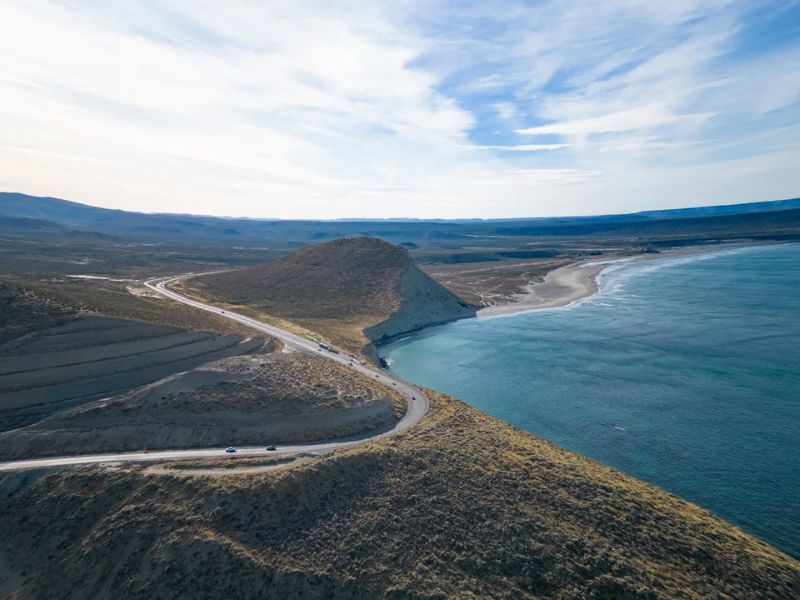
These distinctions reinforce an already well-established image: desert, Andes, lakes, Patagonia, fjords, glaciers and vast open spaces. The cruise award also strengthens southern itineraries, while the “green” category supports the work carried out around nature and territories of high environmental value.
Our article: Machu Picchu: how to choose the right circuit according to season and traveler profile
Buenos Aires, Quito, Rio and Cartagena: cities with well-established identities
The 2026 awards also provide specific arguments for several South American cities. Buenos Aires stands out in categories related to business travel, city breaks, culture, festivals, events, meetings and conferences, and romantic travel. The Argentine capital thus confirms a broad positioning that combines culture, events and MICE.
Quito was named Leading City Destination, reinforcing its image as a heritage-rich Andean capital. Rio de Janeiro won the awards for Leading Beach Destination and Leading Sports Tourism Destination, two categories directly linked to its coastline, outdoor lifestyle and ability to host major events.
Cartagena de Indias continues to hold a strong position for travel for two, with the award for South America’s Leading Honeymoon Destination. The city’s historic centre also appears through several hotel distinctions: Sofitel Legend Santa Clara Cartagena was named South America’s Leading Hotel, its Botero Presidential Suite received the award for Leading Hotel Suite, Four Seasons Hotel and Residences Cartagena was named Leading New Hotel, and Hotel Charleston Santa Teresa received the title of South America’s Leading Heritage Hotel.
The Boyacá region won the award for South America’s Leading Regional Destination, while Colombia was named South America’s Leading Youth Travel Destination. The Medellín Convention & Visitors Bureau also received the award for Leading City Tourist Board.
Costa Rica, Mexico and Belize: three different ways to stand out
In the Mexico & Central America region, Costa Rica won the awards for Leading Destination and Leading Adventure Tourism Destination. The Costa Rica Tourism Board was also named Leading Tourist Board. These distinctions extend an image that has long been built around nature, adventure and outdoor experiences.
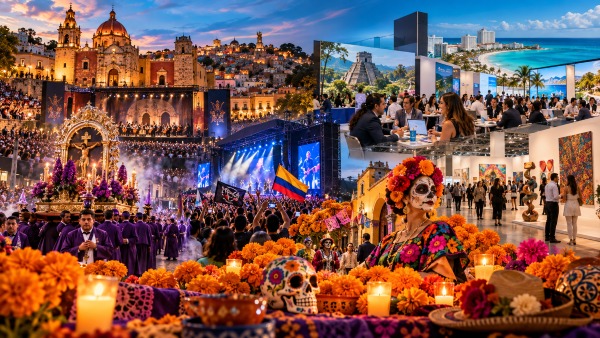
Mexico stands out through the variety of its award-winning destinations. Cancún received several titles: Leading Beach Destination, Leading City Destination and Leading Meetings & Conference Destination. Mexico City was named Leading Business Travel Destination, Playa del Carmen Leading City Break Destination, Isla Mujeres Leading Island Destination, Tulum Most Romantic Destination, and Chichén Itzá Leading Tourist Attraction.
For Mexico, the message is different from Costa Rica’s. The country does not stand out through a single positioning, but through the coexistence of several segments: business, beaches, culture, city breaks, romance, heritage and MICE.
Belize retained its award for Leading Dive Destination.
The World Travel Awards do not sum up the tourism reality of a country. They remain an awards programme, with its categories, voting system and visibility effects. But they do provide interesting indications of the images that destinations are managing to establish, strengthen or make more visible in international markets.
Above all, the 2026 results confirm the diversity of tourism in Latin America. Destinations do not appear for the same reasons, and that is precisely part of the region’s strength: bringing together heritage, vast natural spaces, creative cities, coastlines, gastronomy, adventure, encounters and more exclusive stays.