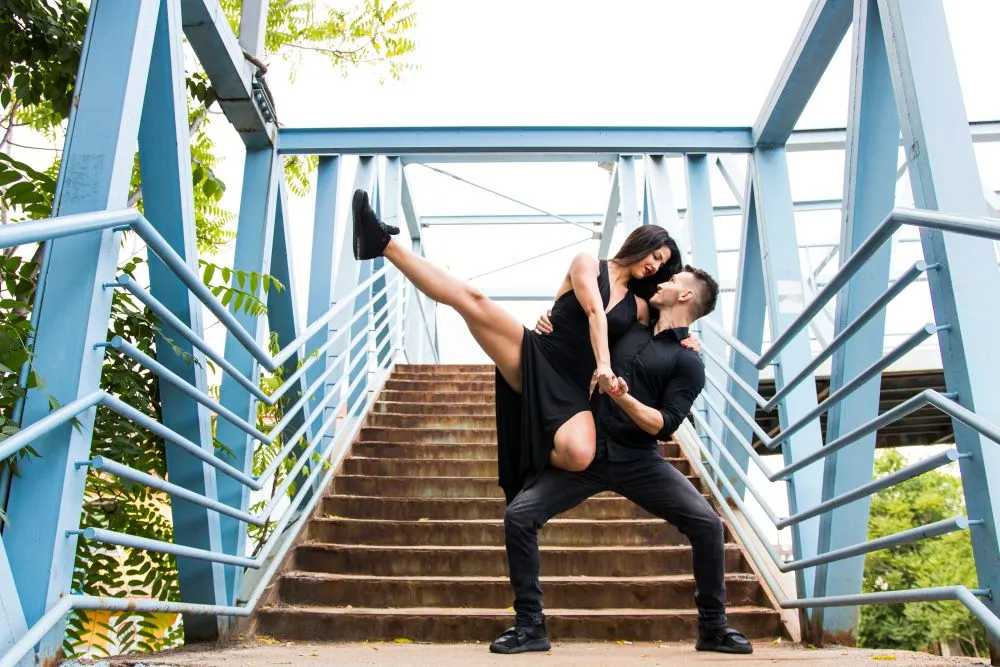

With its recognisable rhythm, melodies that relentlessly evoke the sun and lyrics full of emotion, Bachata is a genre that, with just a few notes, is capable of transporting you to an idyllic beach where everything is peaceful, or to the precise moment when you understood what love is. Originating in the Dominican Republic, this music has evolved considerably from its humble beginnings to become a worldwide phenomenon.
From the margins to the light
Before the musical style itself, the term “bachata” had been around since the early 20th century, referring to informal parties in rural and urban areas of Cuba and then the Dominican Republic, where all kinds of popular music were played. Influenced by bolero, Cuban music and merengue, to which instruments such as the güira and the Spanish guitar were incorporated, the musical genre was born! Repressed during the dictatorship of Rafael Leónidas Trujillo and stigmatised by radio stations until the early 60s, it was with the song “Borracho de amor” by José Manuel Calderón that bachata was officially born.
The Bachata renaissance
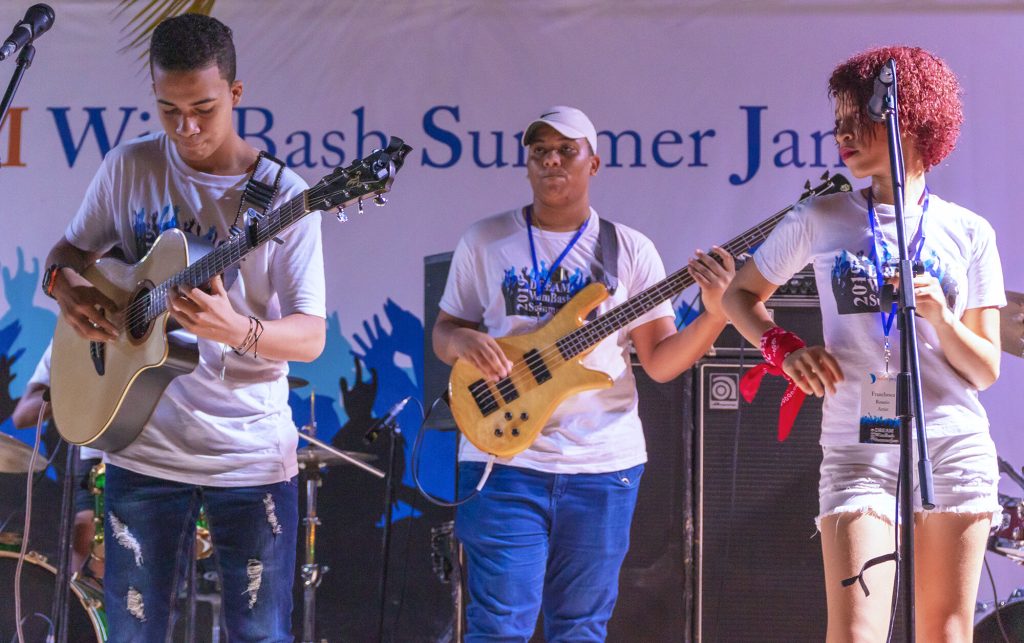
The renaissance of Bachata took place between the 80s and 90s. This evolution incorporated new sounds and instruments that gave the genre greater harmonic and lyrical richness. It was at this time that composers such as Juan Luis Guerra, with his first group 4.40, played a crucial role in the revival and popularisation of the musical movement, mainly in Latin America. His album Bachata Rosa (1991) featured a more refined sound, while artists such as Antony Santos and Luis Vargas retained the romantic essence. At the start of the new millennium, Romeo Santos and his group Aventura made bachata a worldwide phenomenon, even attracting artists from outside the Latin world.
A distinctive sound
Its rhythmic base, generally in four beats, marked by guitar and percussion, creates an infectious sound that is hard to resist and invites movement. The “requinto” – a higher-pitched guitar – takes charge of the main melody, while the bass and bongos hold down the rhythm with precision. Over time, the genre has absorbed influences from pop, R&B and even electro, but without losing the essence of Dominican rhythm.
A connection dance
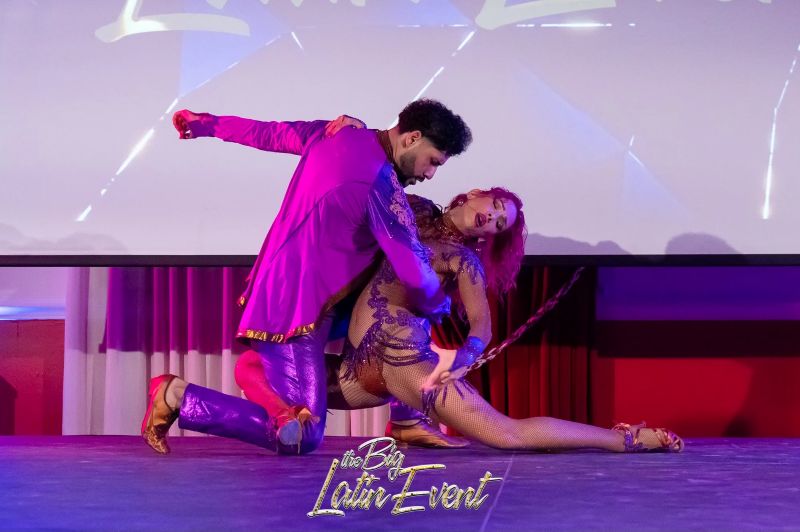
But bachata isn’t just something to listen to, it’s something to dance to. And that’s where its magic takes on another dimension, because unlike other genres such as salsa, which is fast-paced and full of twists and turns, bachata is intimate, seeking a connection, a dialogue between the bodies. The basic step is simple: three lateral movements and a final touch. The beauty of this dance lies in the fact that this ease leaves room for a thousand nuances. That’s why, over time, it has diversified into several distinct styles, the two main ones being the Dominican, with its elaborate, fast steps, and the modern, more refined, figure-based style.
A worldwide phenomenon
Music that, for a time, was heard only on the streets of the Dominican Republic, now resonates around the world. Artists such as Drake and Rosalia have explored bachata in their productions, giving it new nuances and introducing it to new audiences. The expansion of the genre is reflected not only in its recognition as an intangible cultural heritage by UNESCO, but also in the numerous international competitions and festivals.
Our article: 5 reasons to fall in love with Santo Domingo
Bachata is a way of telling stories through music and movement, keeping the roots of the Dominican Republic alive. Its evolution has shown that this music knows no borders, as every region of the world, inside and outside Latin America, has interpreted it in its own way.