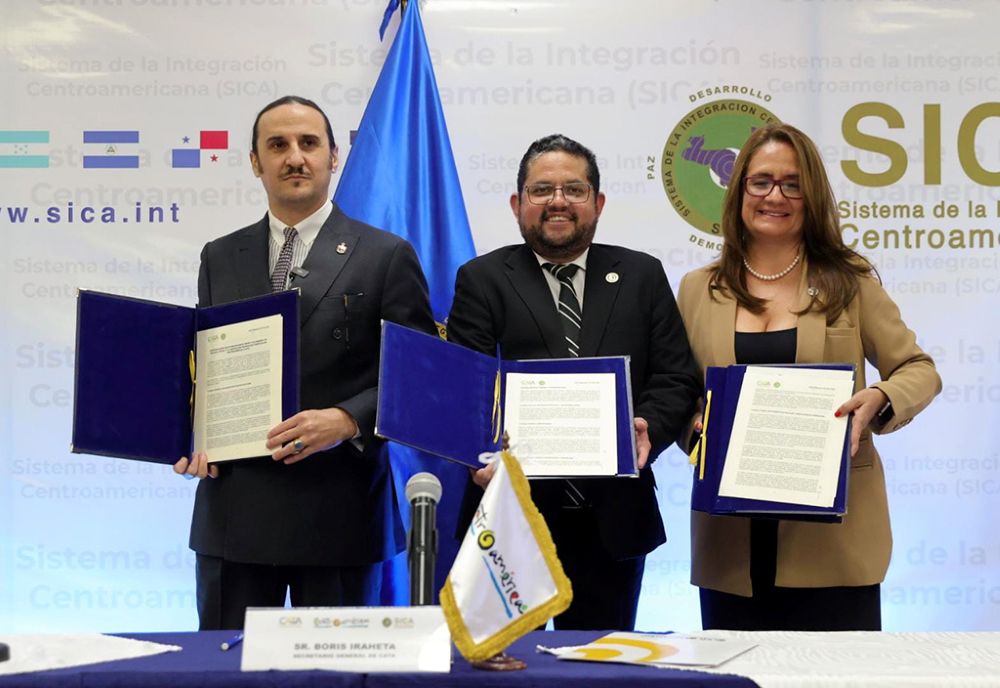

The Central American Tourism Promotion Agency (CATA) and the international organization The Embassy of Nature (TEON) have signed a cooperation agreement aimed at strengthening the integration between environmental conservation and tourism development. The initiative seeks to structure a regional approach capable of enhancing natural resources while consolidating Central America’s position in the international tourism market.
Behind this initiative lies a simple idea: in this region of the world, nature is not only a heritage to be preserved. It is also one of the main drivers of tourism attractiveness.
An international partner to connect nature and development
The Embassy of Nature is an international initiative that promotes greater consideration of nature in political and economic frameworks. Its approach consists of recognizing natural capital as a central element in public decision-making, encouraging models that combine ecosystem protection, territorial planning and sustainable investment.
In this context, the organization’s participation adds an international dimension to the project and strengthens Central America’s visibility in global discussions on sustainable tourism and natural resource management.
A roadmap to identify pilot destinations
The agreement includes the development of a roadmap over a period of 90 to 180 days. This process will help identify pilot destinations, define priority actions and establish monitoring mechanisms.
The objective is to develop projects that combine ecosystem restoration with sustainable tourism experiences, while helping destinations better anticipate environmental and climate risks.
The cooperation covers several key areas: tourism-oriented territorial planning, climate change adaptation in natural areas with high ecological value and environmental risk management in destinations.
The program also includes the integration of environmental and social standards, the strengthening of technical and institutional capacities and the creation of tools to measure environmental and socio-economic impacts in order to evaluate results over time.
Biodiversity as a strategic advantage for the region
“This alliance reaffirms the vision of Central America as a region that understands its biodiversity not only as natural heritage, but also as a strategic asset for its international positioning and sustainable development,” said Boris Iraheta, Secretary General of CATA, during the signing of the agreement.
Central America indeed occupies a particular ecological position. A true biological bridge between North and South America, the region is among the most biodiverse territories on the planet. Although it represents about 0.51% of the Earth’s surface, it hosts nearly 8% of the world’s biodiversity and maintains around 25% of its territory under some form of protection.
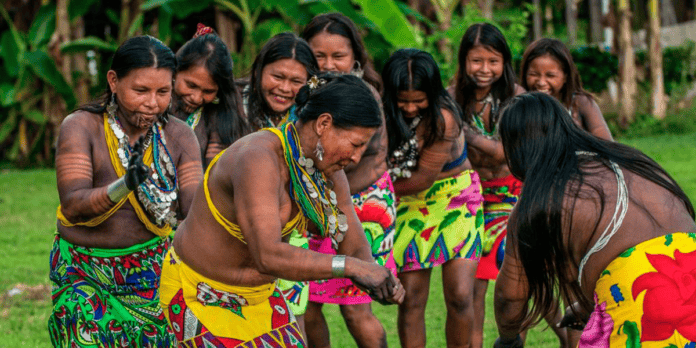
The region is also home to around 60 Indigenous peoples, representing nearly 20% of the population, as well as the Mesoamerican Reef System, the second largest coral reef barrier in the world.
From commitment to results
Beyond the announcement, the challenge for Central America will now be to turn this cooperation into concrete projects. The value of this initiative will depend on the ability of destinations to integrate these tools into their day-to-day management and translate environmental commitments into measurable actions.
In a region where nature is one of the main drivers of tourism, the way these policies are implemented could play a decisive role in the future competitiveness of destinations.
Photos: SICA | CATA