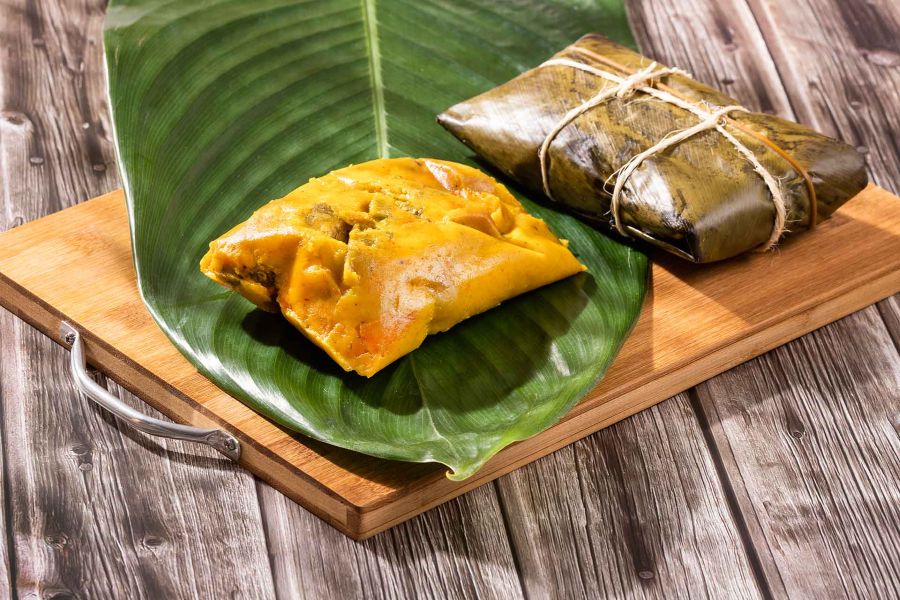



In Latin America, tamales often begin the same way: a leaf being unfolded, warm corn dough inside, and a filling revealed with the first spoonful. Yet behind this apparent simplicity lies one of the region’s most diverse culinary traditions. Crossing a single border is enough for the shape, texture, size, or flavor to change completely.
More than a single recipe, the tamal works as a foundation that each territory adapts to its own ingredients, customs, and traditions. From Mexico to the Andes, it accompanies everyday meals, family gatherings, and major celebrations.
A heritage that spread across the region
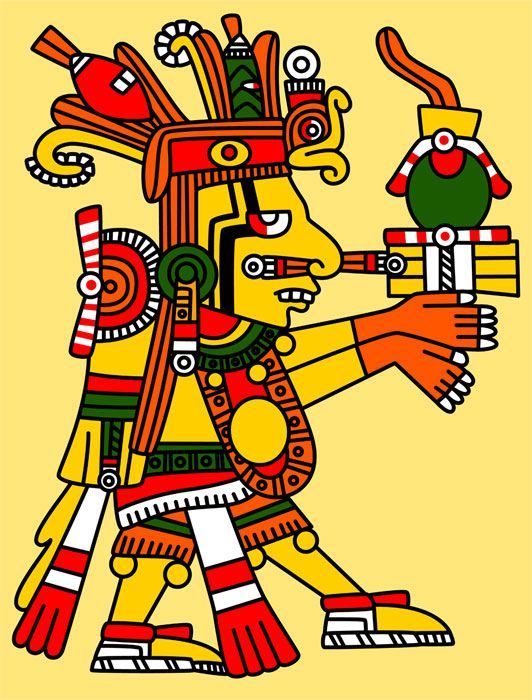
The tamal has pre-Hispanic origins documented in Mesoamerican cultures, particularly among the Maya and the Mexica. Its name comes from the Nahuatl word tamalli, meaning “wrapped,” an accurate description of a preparation steamed inside corn husks or banana leaves.
Beyond its nutritional role, it also carried symbolic meaning. In several representations of the Maya world, it appears linked to the maize god, and its preparation was associated with agricultural rituals and offerings.
With the arrival of the Spanish, the recipe incorporated new ingredients such as meats, olives, and spices. This blending partly explains its current spread and diversity: names and cooking methods vary, but corn remains the starting point.
Mexico: the birthplace of the tamal
In Mexico, the tamal is not a single dish but a vast family of preparations. The most common version is made with nixtamalized corn dough, produced from corn kernels cooked with lime and then ground. This ancestral process improves the texture and enhances the flavor of the corn.
The dough is usually filled with pork or chicken, combined with a chili-based sauce, and steamed. Its texture remains soft and slightly moist, with richness added by the lard incorporated during preparation.
Among the many variations, the zacahuil stands apart. In the Huasteca region, this preparation moves away from the idea of an individual portion: it can exceed one meter in length. The corn is more coarsely ground, mixed with chilies and meat—traditionally turkey—and then cooked for several hours in underground ovens.
Colombia: the tamal santafereño
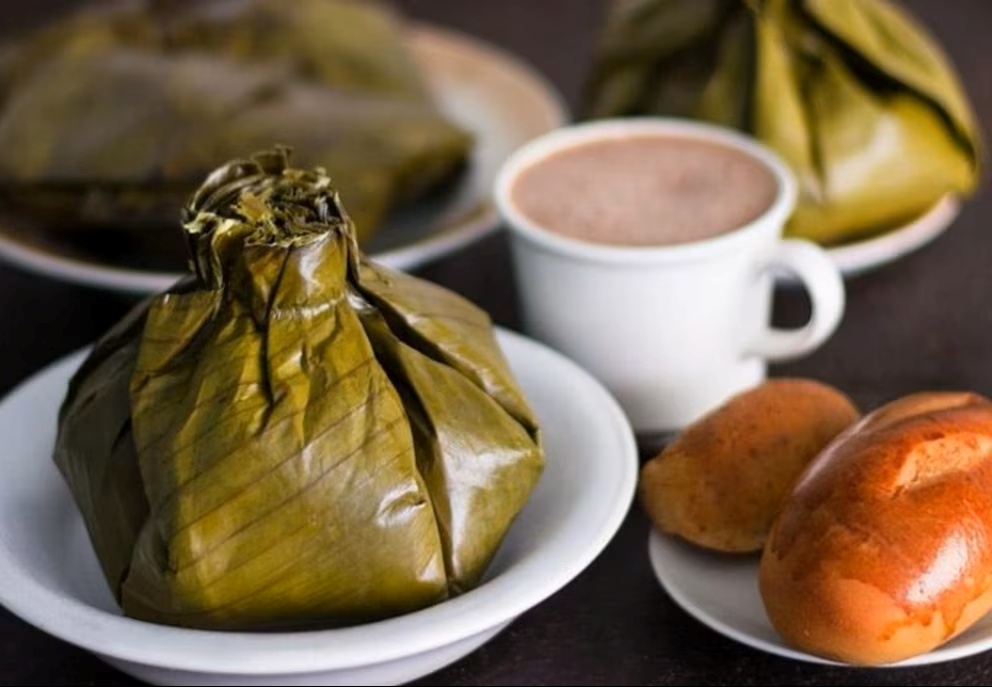
In Colombia, tamales vary greatly from one region to another. In Bogotá and its surroundings, the tamal santafereño is easily recognizable. Its base, prepared with yellow corn and broth, mainly serves as a wrapper for a generous filling.
It usually includes chicken, pork, potatoes, carrots, chickpeas, and sometimes sausage. Everything is placed on a banana leaf and topped with hogao, the onion-and-tomato mixture that ties the flavors together.
The tamal santafereño is not eaten in a hurry. It is often associated with weekends and holidays, served alongside hot chocolate and bread.
Nicaragua: the nacatamal
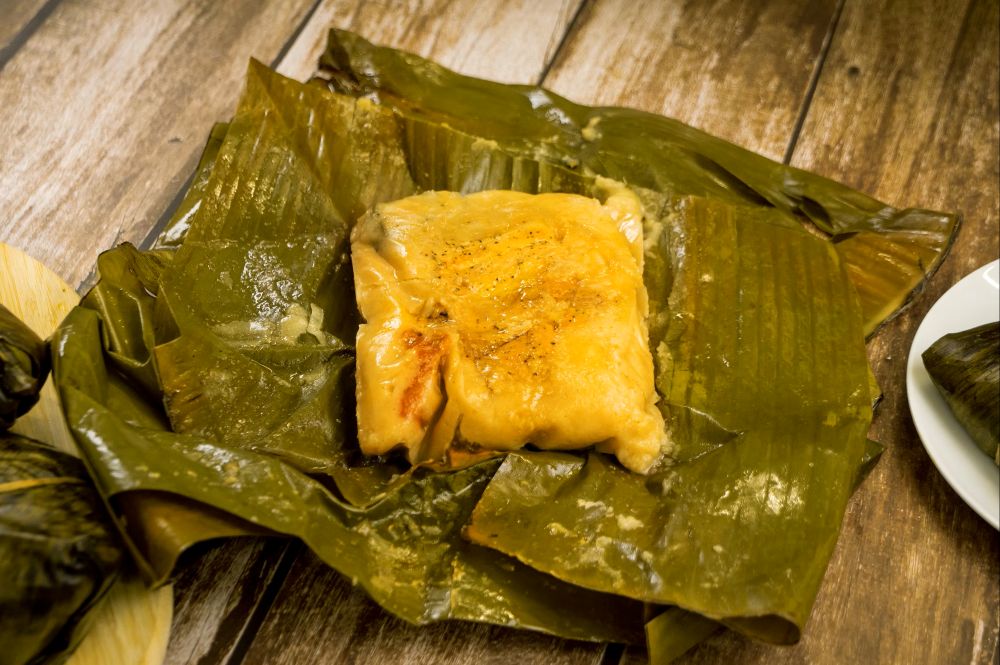
In Nicaragua, the nacatamal stands out for its size and consistency. Made with nixtamalized corn dough, it wraps a hearty filling of pork, rice, potatoes, tomato slices, bell pepper, onion, and mint. Combinations vary depending on families and regions.
Its place in everyday life is so important that it has also entered the language itself. People use the word nacatambuche as a colloquial term for it, nacatamalearse to refer to gathering around this dish, and nacatamalero for those who prepare it, sell it, or never miss a chance to eat one.
Guatemala: the black tamal
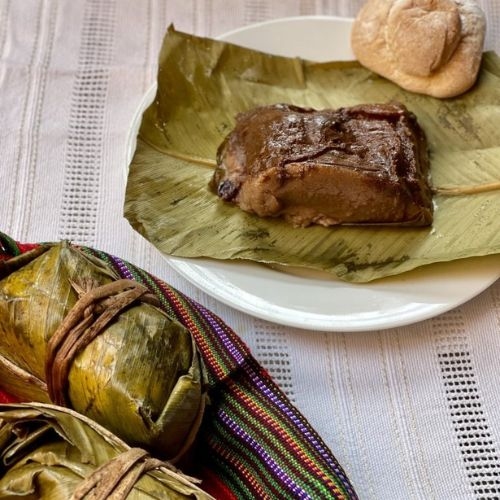
In Guatemala, the black tamal is especially associated with year-end celebrations. It is one of the most complex variations in local tradition. The dough is enriched with sugar, but what truly defines it is the recado, a thick sauce combining chocolate, chilies, spices, seeds, and dried fruits such as prunes and almonds.
The result is neither strictly sweet nor savory. The flavors arrive in layers: first chocolate and spices, then the meat—usually pork or turkey—followed by the contrast of dried fruits. Everything is wrapped in maxán leaves, which perfume the preparation during cooking.
Peru: tamalitos verdes
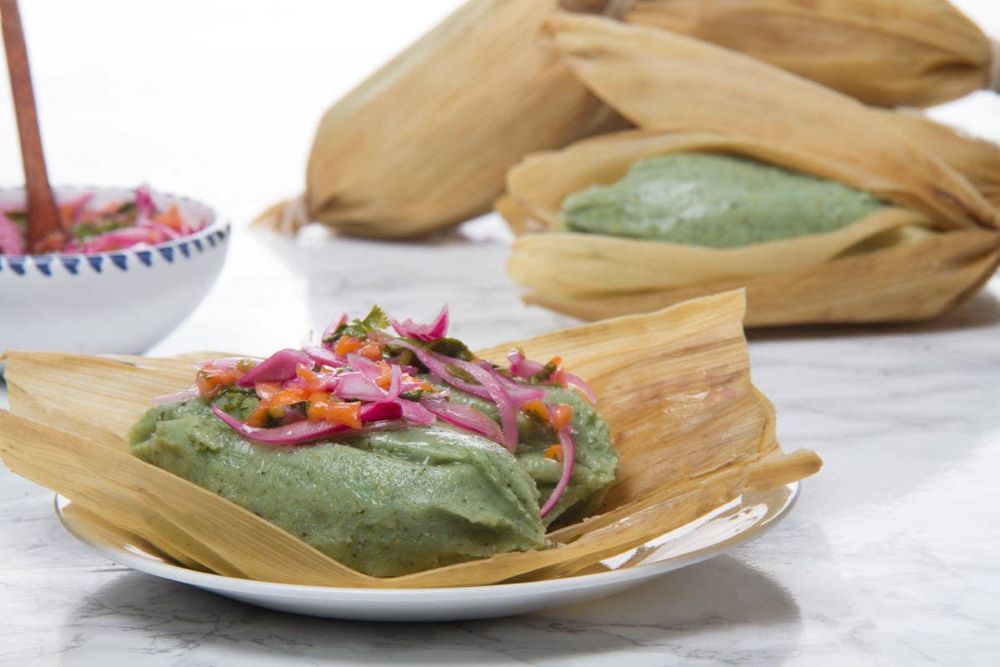
In Peru, tamalitos verdes stand out for their color and aroma. More delicate in texture, they are prepared from a corn base mixed with spinach and coriander, which give them their green color and pronounced herbal flavor.
The dough is worked until smooth and homogeneous. It is generally filled with seasoned chicken, sometimes accompanied by peanuts or chili peppers that add depth to the flavor. The result is a tender preparation closely tied to family cooking.
Beyond breakfast, tamalitos also appear during celebrations in which corn holds a central place, such as Candlemas, when different culinary traditions are shared around family and community tables.
The tamal has a rare quality: it is instantly recognizable while escaping any definitive version. Each country—and often each region—imprints its own way of cooking, transmitting, and sharing onto it. Perhaps that is where its true interest lies: in this ability to remain familiar while constantly changing. Opening a tamal in Latin America rarely means discovering only a dish. More often, it means understanding, in just a few bites, a local way of working with corn, bringing people together, and keeping a tradition alive.
Photos: Gobierno de Mexico | Luis Echeverri Urrea | Colprensa | Recetas Nestle | Guatemala.com | Eat Peru