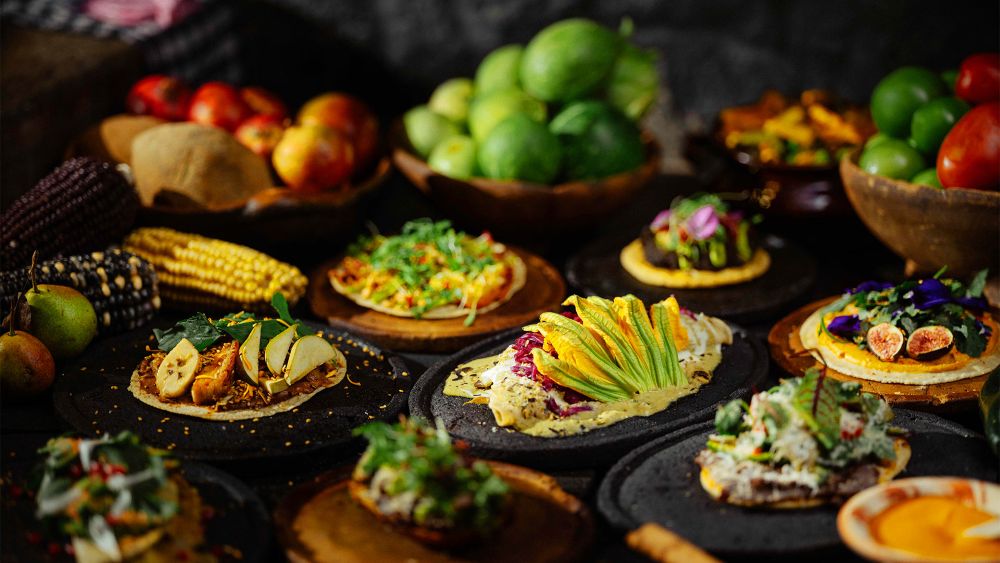

The Michelin Guide continues its expansion in Mexico. For the 2026 edition, three new states — Jalisco, Puebla, and Yucatán — will now be included in the inspectors’ selection. This extension broadens the guide’s geographical coverage, launched in the country in 2024, and confirms the growing attention given to Mexican regional cuisines.
With this new step, the guide will expand from six to nine evaluated territories, joining Mexico City, Oaxaca, Baja California, Baja California Sur, Quintana Roo, and Nuevo León, which were already part of the selection.
A Broader Snapshot of Mexican Gastronomy
In its most recent selection, more than 180 restaurants were recognized. Among them, 21 establishments received a Michelin star, along with two two-star restaurants: Pujol and Quintonil, both located in Mexico City.
The guide also highlights other categories, including the Bib Gourmand, which rewards restaurants offering excellent value for money, as well as a list of recommended establishments. This diversity of distinctions highlights both haute cuisine and venues that reflect the richness and variety of Mexican cuisine.
Deeply Rooted Regional Culinary Traditions
The integration of Jalisco, Puebla, and Yucatán reflects both the strength of their culinary traditions and the recent evolution of their gastronomic scenes.
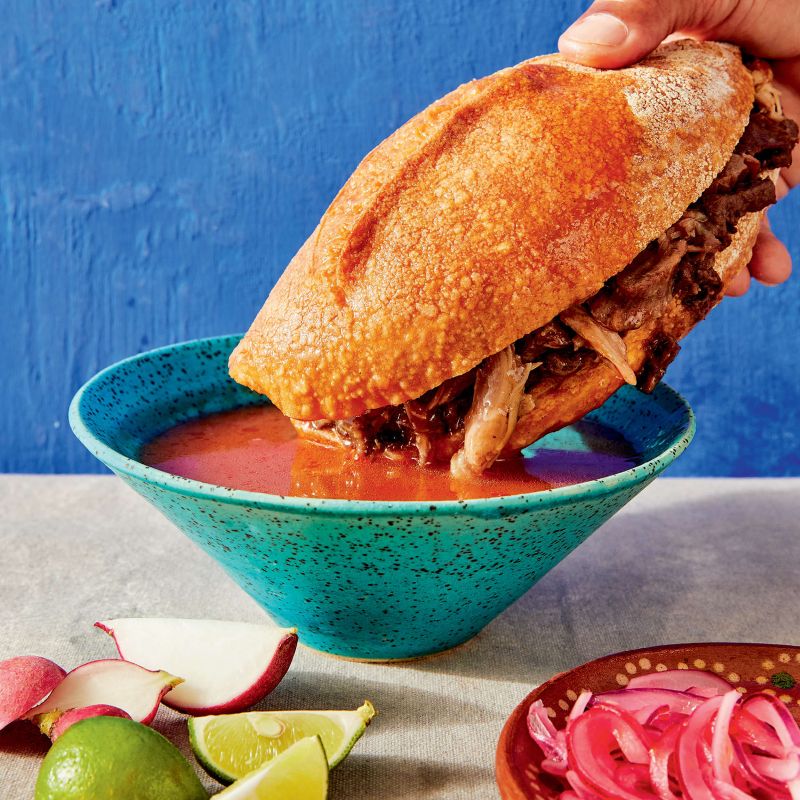
In Jalisco, regional cuisine coexists with an increasingly visible contemporary scene, especially in Guadalajara. Iconic dishes such as birria, carne en su jugo, and torta ahogada form part of the local culinary identity, while new restaurants reinterpret traditional ingredients and techniques.
In central Mexico, Puebla boasts one of the country’s most renowned culinary traditions. Its cuisine reflects centuries of influences combining indigenous heritage, colonial contributions, and convent traditions, with emblematic dishes like mole poblano and chiles en nogada.
Further southeast, Yucatán’s gastronomy stands out for its use of characteristic ingredients such as achiote and citrus, as well as traditional cooking techniques like pib, an underground method used, for example, to prepare cochinita pibil. This culinary heritage has also received international recognition: in 2025, the state was named the Ibero-American Capital of Pre-Columbian Gastronomy at the Fitur fair in Madrid, highlighting the Mayan culinary legacy.
When Gastronomy Becomes a Tourism Driver
This expansion of the Michelin Guide comes at a time when gastronomy occupies an increasingly important place in Mexico’s tourism offer. According to the Ministry of Tourism of Mexico, nearly 30% of international visitors’ spending in the country is devoted to food and beverages.
The timing is not coincidental. In 2026, Mexico will host several FIFA World Cup matches, notably in Mexico City, Guadalajara, and Monterrey. The integration of new regions into the Michelin Guide helps showcase the country’s gastronomic diversity ahead of this global event, expected to attract millions of visitors and enhance the international visibility of Mexican destinations.
Beyond stars and distinctions, the arrival of new regions in the Michelin Guide highlights a broader trend: the growing recognition of regional cuisines as a lever for tourism, capable of enhancing destinations and strengthening the cultural identity of each territory.
Photos: Michelin Guide | D.R