Bolivia is seeking to take a new step in the development of its tourism sector. Despite widely recognized natural and cultural assets, the country has not yet fully transformed this potential into tourism performance.
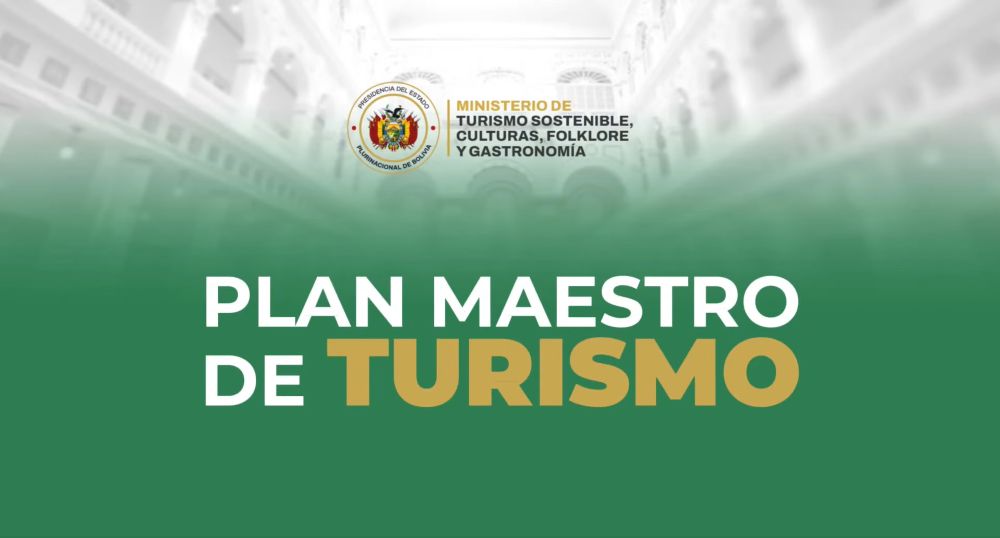
To address this, the Ministry of Sustainable Tourism, Cultures, Folklore and Gastronomy, in collaboration with the Vice Ministry for the Promotion of Sustainable Tourism, has launched the development of the Sustainable Tourism Master Plan 2026–2035. The objective is clear: to structure sector growth, attract investment, and generate up to 3 billion dollars in tourism revenue by 2030, while strengthening the country’s international positioning.
A plan built with local stakeholders
The approach is based on a participatory methodology. Between May 12 and June 24, 18 innovation and co-creation workshops are being held across the country’s nine departments, bringing together businesses, local communities, public authorities, universities, and sector organizations.
The aim is to identify the specific needs of each destination, whether in terms of infrastructure, connectivity, regulatory frameworks, or promotion.
The process is supported technically by the United Nations Development Programme (UNDP) and the Inter-American Development Bank, which provide methodologies and expertise to align the strategy with international standards. Their involvement also aims to strengthen private sector confidence and ensure the initiative is sustainable over time.
New tools to structure the sector
Beyond the plan itself, several tools are expected to support this structuring process. A new Sustainable Tourism Promotion Law is being prepared to replace the framework in force since 2012, with the goal of facilitating investment and formalizing the sector.
Five sectoral strategies will also be developed, covering community-based, cultural, religious, and nature tourism, among others. In parallel, a new country brand is expected to emerge, built from identities and perceptions gathered across the territory.
A strategy focused on high-potential destinations
One of the plan’s key objectives is to better position destinations capable of extending stays and increasing tourist spending.
Among them, Madidi National Park stands out as a major asset. With more than 18,000 km², it is one of the most biodiverse areas in the world. Experiences offered there are based on Amazon immersion, combining river navigation, trekking, and wildlife observation, with the possibility of seeing macaws, monkeys, caimans, giant otters, and, more rarely, jaguars.
Other already identified destinations, such as Lake Titicaca, can be integrated into itineraries combining stays in Copacabana, exploration of Sun Island, and hikes along ancient Inca trails.
In the south of the country, Sucre and Potosí bring a strong heritage dimension, combining colonial architecture, museums, and mining heritage, particularly around Cerro Rico, which helps place Bolivia within global economic history.
You may also like: Salar d’Uyuni: the mirror of the heavens
Beyond economic objectives, the plan aims to provide a clearer direction for tourism development in the country and strengthen institutional stability by laying the foundations for concrete and sustainable actions.
For professionals, this initiative reflects a desire to structure a still fragmented offer, relying on high-potential destinations and improved coordination between public and private stakeholders.
If the objectives are achieved, this plan could reposition Bolivia as a more legible and competitive destination at the international level, capitalizing on unique experiences in the continent.
Photo: Ministère du Tourisme durable, des Cultures, du Folklore et de la Gastronomie