Bolivian President Rodrigo Paz has announced the transformation of the Ministry of Sustainable Tourism, Cultures, Folklore and Gastronomy into a National Agency for Tourism, Folklore and Gastronomy. This change in the organization of the country’s tourism policy comes alongside a broader government reorganization, with the number of ministries reduced from 14 to 12.
For the tourism sector, the main point is not only administrative. Tourism remains within the scope of the executive branch, but it will now be handled by a different structure, presented by the government as more flexible and more direct. According to official statements, this agency is intended to facilitate dialogue between the public and private sectors, reduce procedures and give greater speed to promotion and development actions.
An agency to give more continuity to promotion
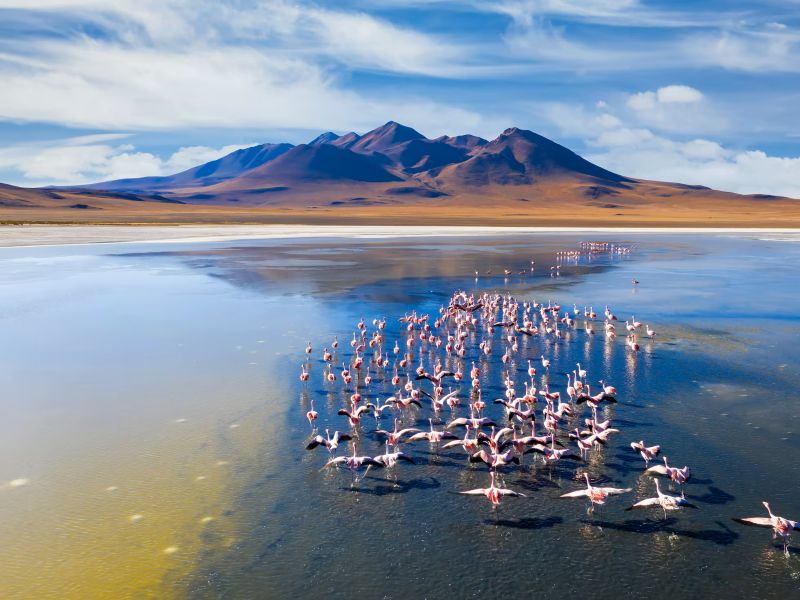
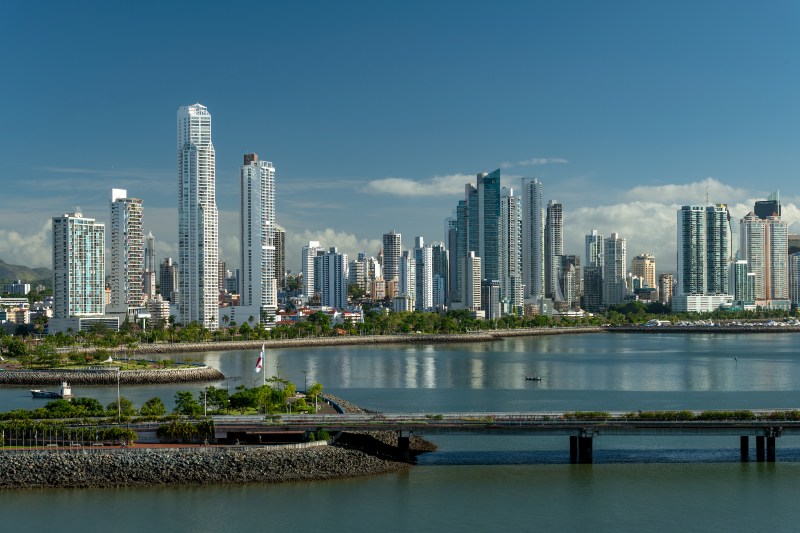
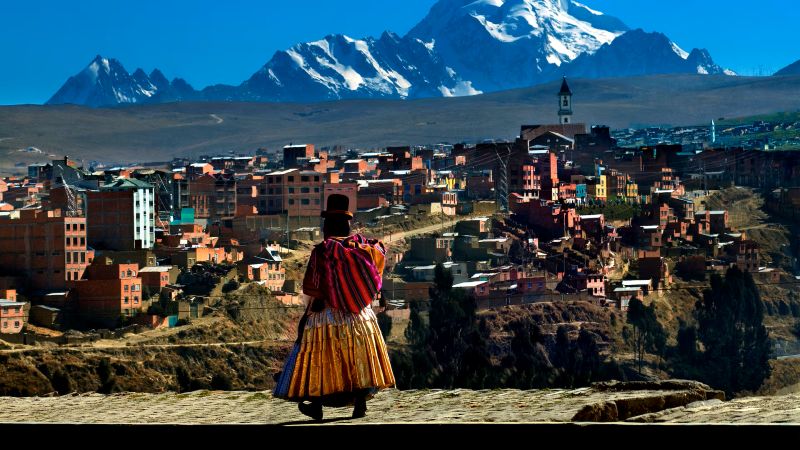
The creation of this entity comes at a time when Bolivia is seeking to better organize its image internationally. The country has very strong reference points, from the Salar de Uyuni to Lake Titicaca, from La Paz to Sucre or Potosí, but its offer can sometimes be more difficult to read than that of other South American destinations. This new dedicated structure may help present it more consistently, with campaigns, trade show presence, better-identified products and more direct links with the regions.
This reorganization also comes a few months after the launch of the Sustainable Tourism Master Plan, built with the support of the UNDP and the participation of public, private, community and academic actors in the country’s nine departments. The future agency is therefore not starting from a blank page: it will need to fit into the work already underway around the country brand, quality, promotion and the structuring of destinations.
Our article: Bolivia launches a master plan to structure tourism development by 2035
Tourism, folklore and gastronomy in the same narrative
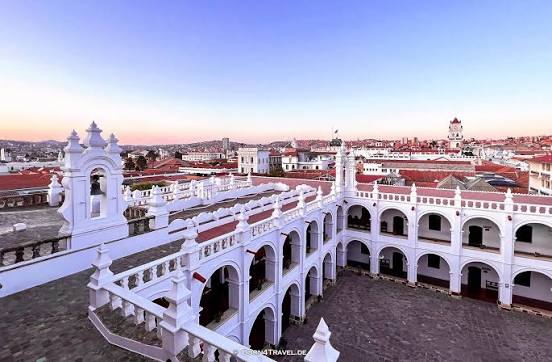
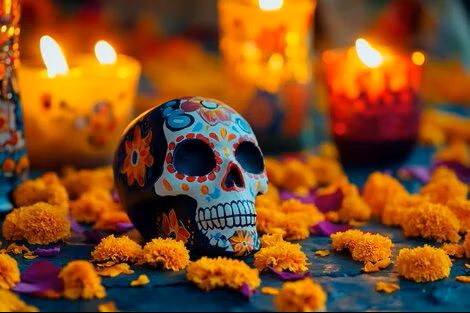
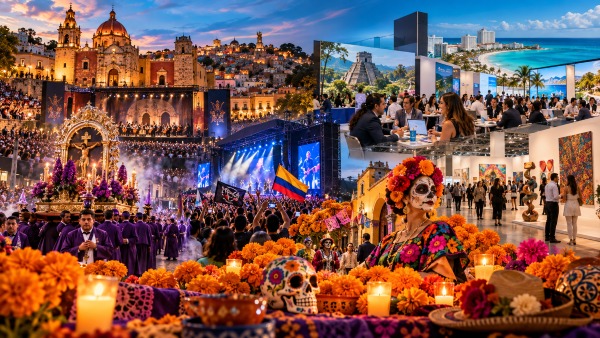
The name of the agency gives a clear indication of the chosen angle. By bringing together tourism, folklore and gastronomy, Bolivia is connecting elements that, on the ground, are already often inseparable. A trip through the country is not limited to spectacular landscapes or historic sites. It also passes through markets, festivals, regional cuisines, artisanal know-how, music, dances and ways of life specific to each region.
You may also like: Discover Bolivia through its cuisine: 5 dishes to try
A new step toward telling Bolivia better
For international tourism, the interest of this change will be to see how the agency turns this richness into proposals that are easier to understand: cultural circuits, nature trips, itineraries linked to festivals, gastronomy experiences, historical routes or stays combining several regions.
Bolivia does not need to change what it is to strengthen its place in tourism. It already has powerful landscapes, heritage cities, highly present cultures and regional cuisines that are still too little promoted. This new organization can above all help it present these assets with greater continuity, within a clearer narrative for travelers as well as for those who build the trips.
Photos: DR