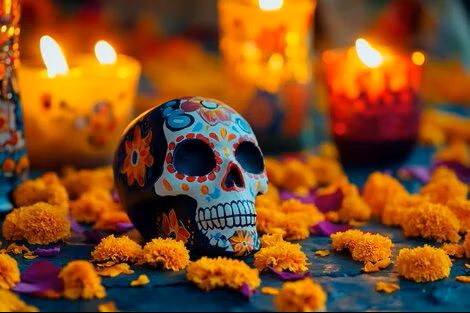

In Mexico, Día de Muertos does not begin with the large parades, but in homes and cemeteries. As 1 November approaches, families prepare altars, bring out photographs, clean graves and gather flowers, candles, pan de muerto and dishes associated with the deceased. Catrinas, sugar skulls and the colours of the celebration have circulated widely abroad, but they tell only part of the story. For many Mexicans, Día de Muertos is first and foremost a family occasion, dedicated to the symbolic return of the dead and to honouring loved ones who have passed away.
A celebration born from several traditions
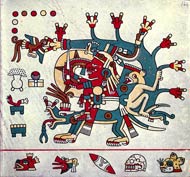
Long before the arrival of the Spanish, several Mesoamerican peoples gave a central place to the dead and to ancestors. Among the Mexica, a deceased person’s destination did not depend on how they had lived, but on the circumstances of their death. Those who drowned or were struck by lightning went to Tlalocan, associated with the rain god. Warriors who died in battle and women who died in childbirth accompanied the sun. Those who died naturally undertook a long journey to Mictlán, the world of the dead.
This vision explains part of the meaning of the offerings. In pre-Hispanic burials, objects, food or items useful to the deceased were sometimes placed in the grave to help them continue their journey. Death was therefore not only a separation. It opened another stage, one that the living could accompany through gestures, objects and rituals.
With the arrival of the Spanish, these practices became intertwined with the Catholic calendar. 1 November, All Saints’ Day, is associated in many regions with deceased children, often called muertos chiquitos. 2 November, All Souls’ Day in the Catholic tradition, is dedicated to adults.
Día de Muertos took shape through this overlapping of traditions. It is neither an intact pre-Hispanic tradition nor simply a Christian celebration. It combines ancient beliefs, Catholic rites, family memory and ways of celebrating that change from one village to another, and sometimes from one household to another.
Altars, flowers and music: the rituals of Día de Muertos
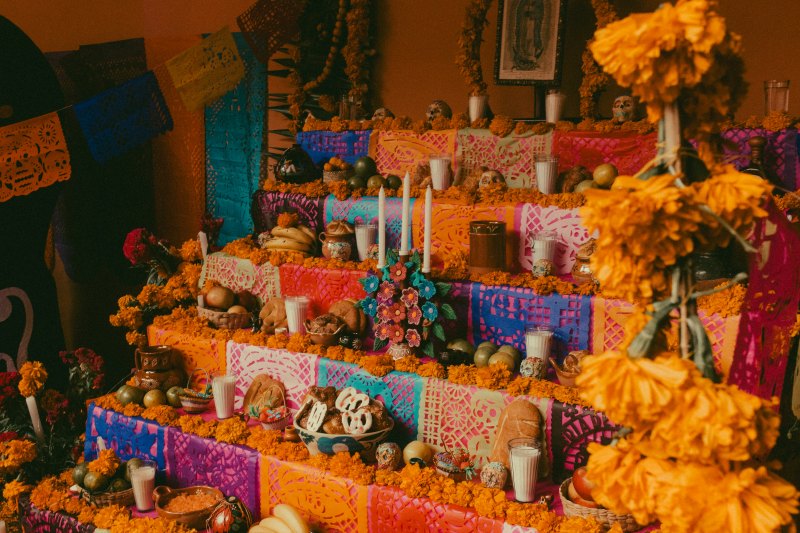
The ofrenda, which can be translated as an offering or altar, remains one of the most recognizable elements. It may be set up in a home, school, shop, museum or beside a grave. Candles, water, salt, flowers, photographs, personal belongings and foods that the person enjoyed during their lifetime are placed on it. Copal, a resin burned as incense, often perfumes the space.
Cempasúchil, the large orange flower of the season, is used to symbolically guide the souls. Its petals sometimes form a path leading to the altar or cover the graves. Each family arranges the display in its own way, according to its memories, means and the people it wishes to honour.
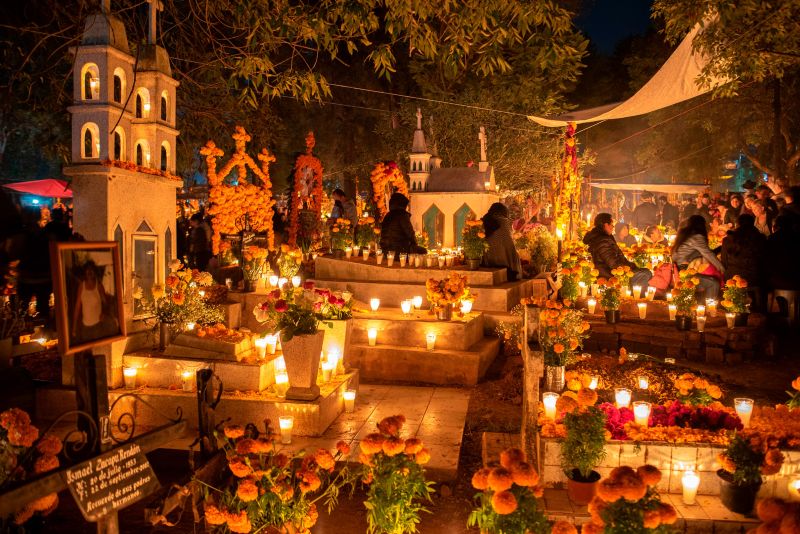
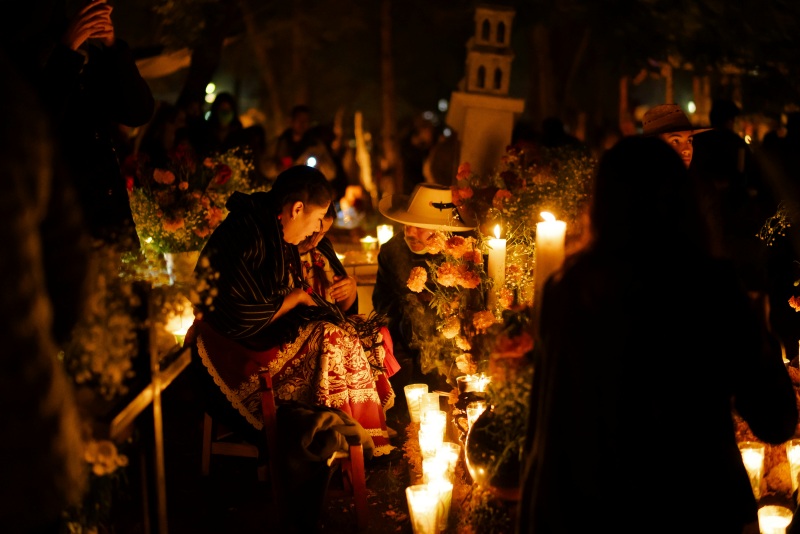
In cemeteries, graves are cleaned, decorated and illuminated. Families sometimes spend several hours there, or even the entire night. There is no single type of music associated with the whole celebration, but some families bring in mariachis or other musicians to play a song loved by the deceased.
Where Día de Muertos is experienced most intensely
Día de Muertos is celebrated throughout Mexico, but certain places are particularly associated with this period. In Michoacán, Pátzcuaro and the island of Janitzio remain among the strongest references. Around the lake, vigils, candles, boats and the cemeteries of Purépecha communities attract many visitors every year. The night of 1 to 2 November is in very high demand, but it remains first and foremost a moment of remembrance for families.
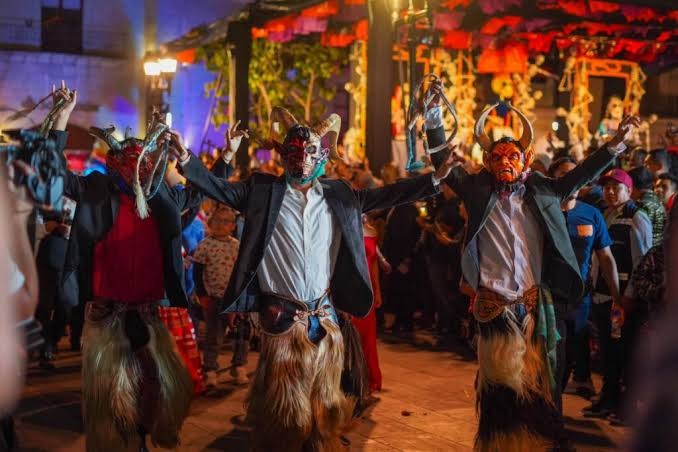
Oaxaca also holds an important place, both in the city and in the surrounding villages. The celebration unfolds through altars prepared in homes, markets filled with flowers, candles and pan de muerto, street decorations and visits to the panteones, the term used for cemeteries in Mexico. It also takes the form of comparsas, processions combining music, costumes and masks, according to traditions that vary from one locality to another.
In the southeast of Mexico City, San Andrés Mixquic remains one of the best-known places to experience Día de Muertos. This former village retains a strong local identity, with its church, cemetery and its own traditions. Its vigil on 2 November attracts many visitors, but it remains above all connected to the families who come to decorate graves with flowers, light candles and accompany their dead.
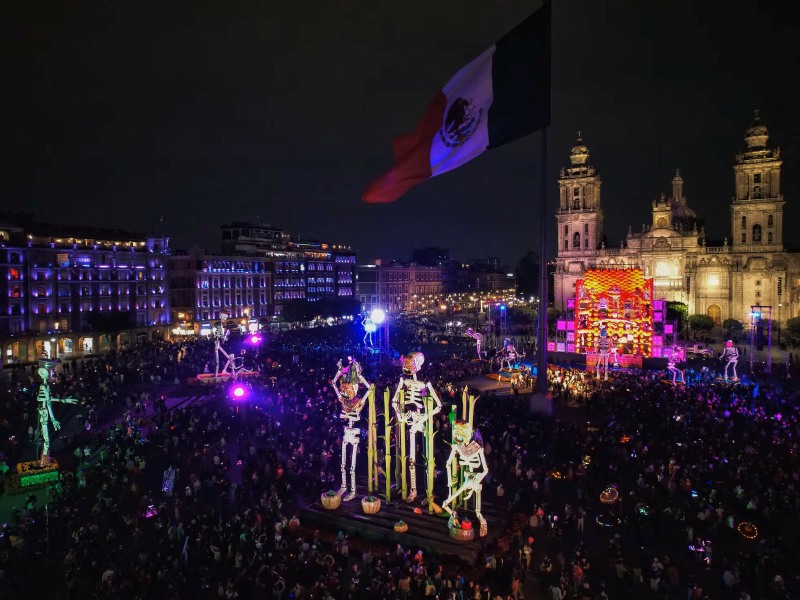
The capital has also developed a more recent and spectacular version of the celebration, with the grand parade along Paseo de la Reforma, altars in the Zócalo, catrinas, alebrijes and decorated floats. This part is contemporary. It gained particular visibility after the opening scene of Spectre, the James Bond film released in 2015, which imagined a large Día de Muertos parade in Mexico City. The city subsequently created its own parade, which has now become a widely followed event.
Other places reveal still other faces of the celebration. In Pomuch, in the state of Campeche, some families clean the bones of their loved ones before All Saints’ Day, following an ancient practice that requires great respect. In Huaquechula, in the state of Puebla, homes open their doors to display large white altars, often dedicated to people who died during the year.
The film that made the celebration easier to understand around the world
The animated film Coco, released in 2017, gave Día de Muertos new visibility among international audiences. It was also well received in Mexico, particularly because it accurately reflects several fundamental elements: the family altar, photographs, the role of music, cempasúchil petals and the idea that naming the dead allows them to retain a place among the living.
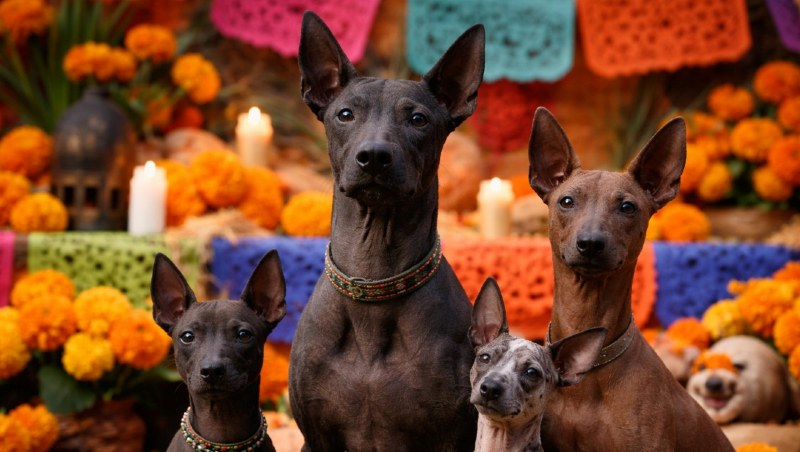
The film also brought renewed attention to a symbol less familiar abroad. Dante, the dog who accompanies Miguel, is a xoloitzcuintle, often called a xolo, an ancient Mexican breed with an almost hairless body. In Nahua tradition, this dog was associated with the passage to Mictlán and could accompany souls on their journey to the world of the dead.
A period that needs to be booked well in advance
Travelling to Mexico during this period requires real anticipation. In the most sought-after places, such as Oaxaca, Michoacán, Morelia or Puebla, accommodation, guides and certain experiences are often arranged nearly a year in advance. In Mexico City, Campeche or Mérida, six months may already be necessary, especially when hotels impose minimum stays during this period.
This influx also makes it important to distinguish between places open to visitors and more family-oriented spaces. Some cemeteries naturally welcome the public, while others remain primarily places of remembrance for relatives. The distinction matters. Día de Muertos can be highly visible, widely photographed and sometimes even spectacular, but it remains above all an intimate celebration.
The relationship with the dead also extends beyond Mexico’s borders. In Central America, All Saints’ Day and the Day of the Dead involve cemetery visits, shared meals and traditions specific to each country. In Guatemala, the giant kites of Santiago Sacatepéquez and Sumpango, huge paper and bamboo kites that rise into the sky on 1 November, are among the strongest traditions of this period.
Our article: All Saints’ Day in Guatemala: the flight of the giant kites
At the centre of the celebration, there is always a simple gesture: preparing a table, lighting a candle, placing a flower, saying a name. In Mexico, as in parts of Central America, remembering is not only about thinking of the dead. It is about keeping a place for them among the living.
Photos: Caleb Hernandez | Chris Luengas | Gobierno del Estado de Oaxaca | Visit Michoacan | Gobierno de la Ciudad de Mexico | Disney Pixar