
The world’s largest pyramid is not in Egypt, the smallest bird on the planet lives in Cuba, and the summit farthest from the centre of the Earth is not Everest. Latin America holds a few surprises when it comes to world records. Some are famous, others much less so. Here are eight curiosities worth discovering, spanning heritage, landscapes and nature.
1. Cholula, Mexico: a pyramid larger by volume than the Great Pyramid of Giza
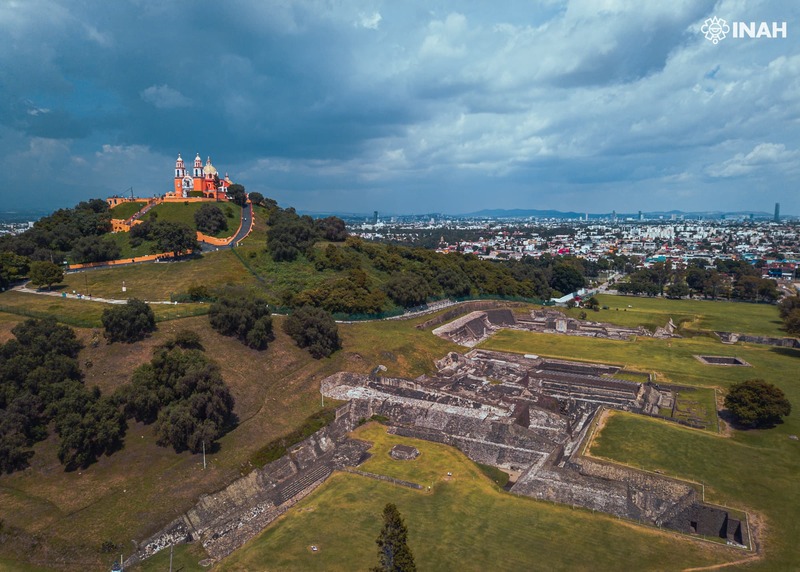
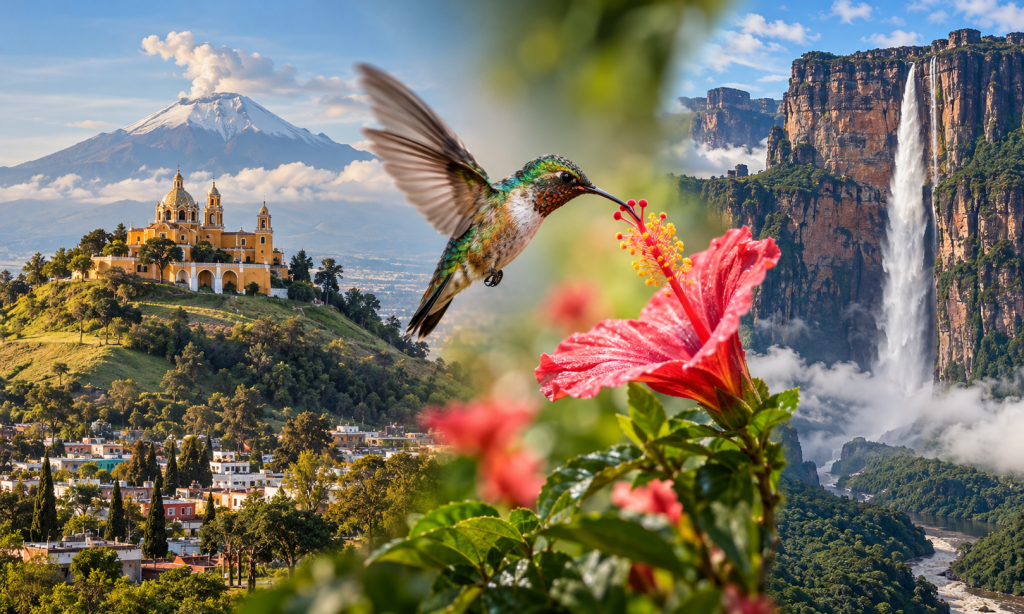
At first glance, what stands out is mainly a hill topped by a church. Yet beneath the vegetation lies the world’s largest pyramid by volume. Located around thirty minutes from Puebla, the Great Pyramid of Cholula, or Tlachihualtépetl, has an estimated volume of around 4.45 million cubic metres, almost twice that of the Great Pyramid of Giza in Egypt.
Its Nahuatl name means “man-made hill”, a particularly fitting description for a structure built and enlarged by different civilizations over more than a thousand years, between the 3rd century BCE and the 9th century CE. Today, the sanctuary of Nuestra Señora de los Remedios stands above this immense pre-Hispanic construction, with views that include the Popocatépetl volcano.
2. The bee hummingbird, Cuba: barely 1.6 grams!
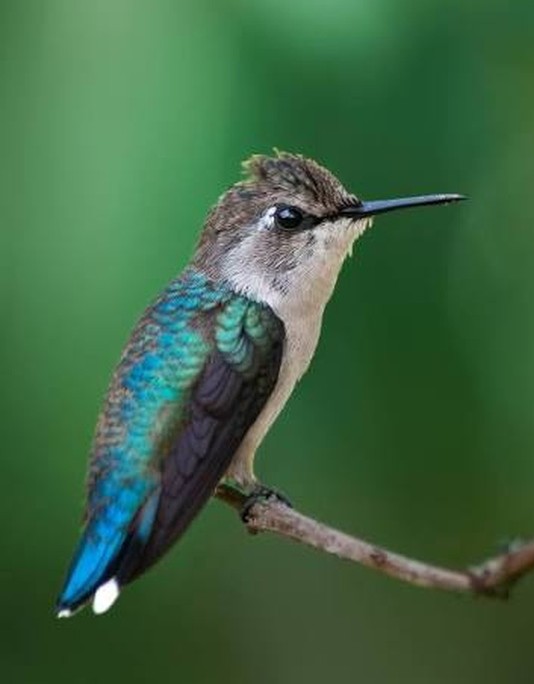
It measures an average of 5.7 centimetres and weighs around 1.6 grams. The bee hummingbird (Mellisuga helenae), known in Cuba as the zunzuncito, holds the record as the smallest bird in the world. Endemic to the island, this tiny hummingbird can be so difficult to distinguish when it flies around flowers that it may be mistaken for a large insect.
Its small size does not prevent it from hovering while feeding on nectar. For birdwatchers, spotting one is a great opportunity to discover Cuba’s biodiversity, particularly in natural areas around the Zapata Peninsula.
3. Wax palms, Colombia: almost 60 metres tall
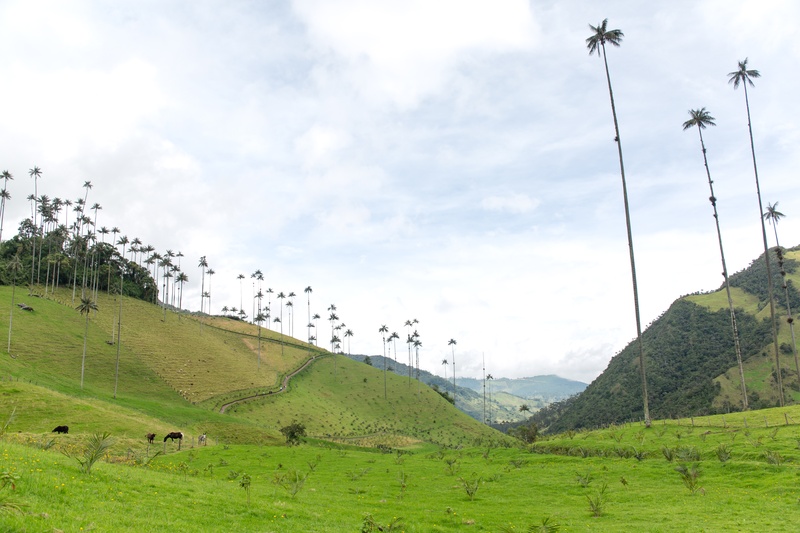
In Colombia’s coffee-growing region, particularly in Quindío, wax palms rise above the mountains and grasslands. The species, Ceroxylon quindiuense, holds the record for the world’s tallest palm tree, with specimens measured at 59.2 metres in the Carbonera area, in the neighbouring department of Tolima.
Cocora Valley, near Salento, remains the best-known place to admire these slender silhouettes. But the landscapes of Tochecito also offer excellent hiking opportunities among these emblematic trees, which have become a national symbol of Colombia.
4. Lake Titicaca, between Peru and Bolivia: navigating at 3,810 metres
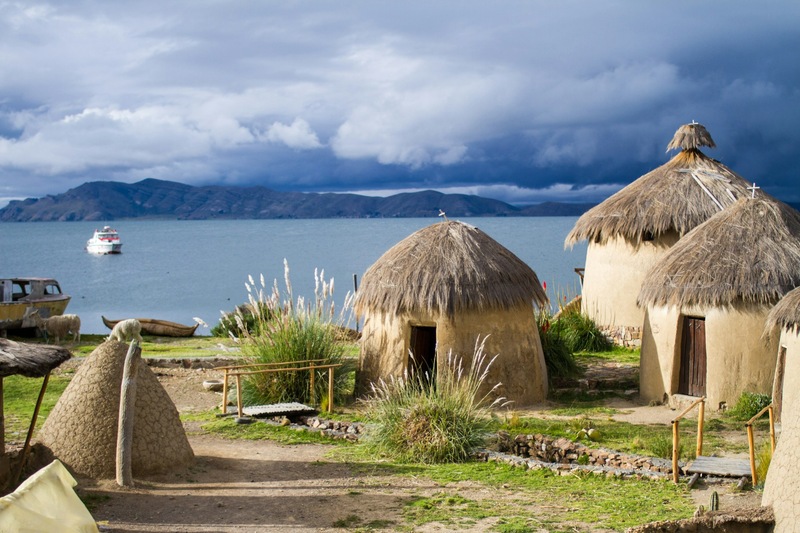
On the Altiplano, between Peru and Bolivia, Lake Titicaca is the world’s highest lake navigated by commercial vessels, at around 3,810 metres above sea level. Its dimensions are equally impressive: nearly 8,300 km² in surface area, with a maximum length of 190 km and a width of 80 km.
Off the coast of Puno, the floating Uros islands are among its curiosities. Built from layers of reeds known as totora, they are regularly maintained and renewed by their inhabitants. Further away, the islands of Taquile and Amantani on the Peruvian side, and Isla del Sol and Isla de la Luna on the Bolivian side, offer other landscapes and traditions around the lake.
5. The Amazon: the river with the greatest discharge in the world
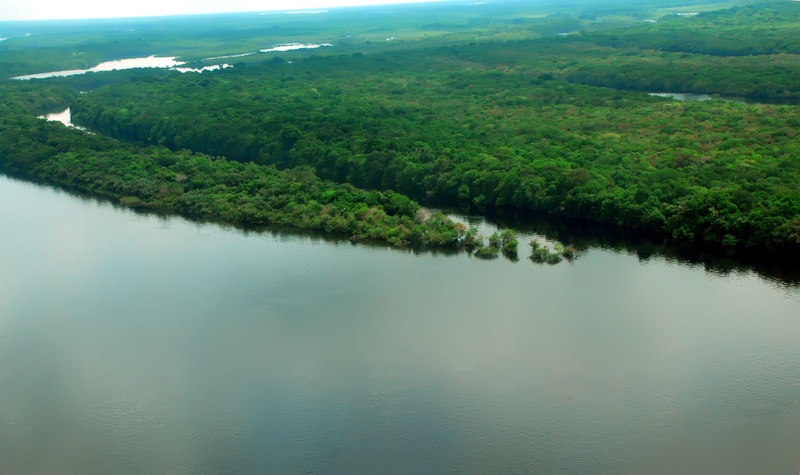
With an average discharge of around 200,000 cubic metres of water per second at its mouth, the Amazon surpasses every other river on the planet. To put that quantity into perspective, it is equivalent to roughly 80 Olympic-size swimming pools flowing into the Atlantic Ocean every second!
The river crosses an immense drainage basin shared by several South American countries. From Iquitos in Peru, Leticia in Colombia or Manaus in Brazil, river excursions provide opportunities to discover flooded forests, Amazonian wildlife and plant life, as well as riverside communities, including Indigenous communities.
You may also like: When the Amazon becomes a major destination for river cruises
6. Salar de Uyuni, Bolivia: a salt flat almost as large as the Île-de-France region
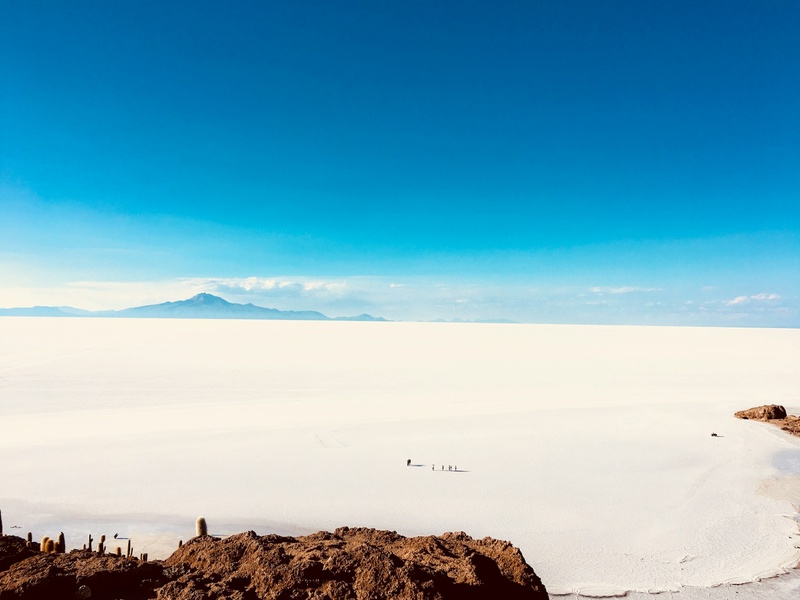
In southwestern Bolivia, Salar de Uyuni forms the world’s largest salt flat, covering around 10,582 km² at more than 3,600 metres above sea level. To give an idea of its size, its surface area is close to that of the entire Île-de-France region around Paris.
From May to October, during the dry season, the white surface of the salar reveals striking geometric patterns. Between December and March, rainfall can cover the salt with a thin layer of water. The sky and clouds are then reflected all the way to the horizon, sometimes turning the landscape into an immense natural mirror. Two very different experiences, generally discovered on excursions departing from Uyuni.
7. Angel Falls, Venezuela: a 979-metre waterfall
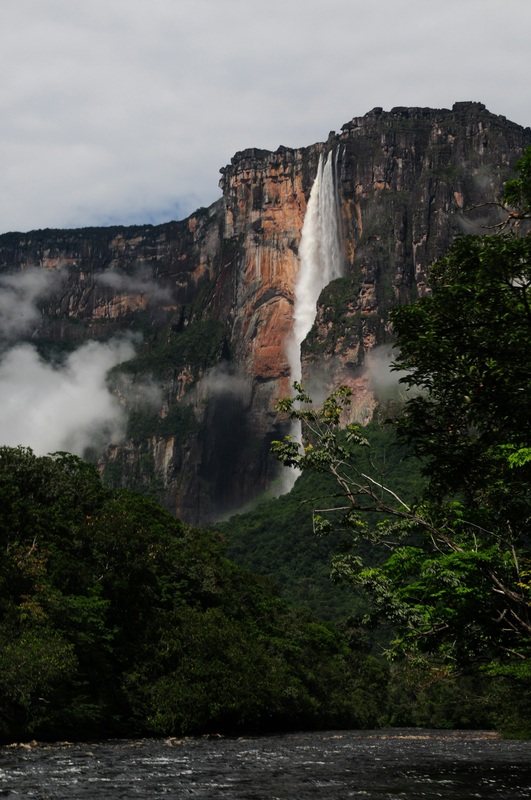
In the heart of Canaima National Park in Venezuela, Angel Falls holds, according to Guinness World Records, the title of the world’s highest waterfall, with a total height of 979 metres, including an uninterrupted drop of 807 metres.
Also known by its Indigenous name Kerepakupai Merú, meaning “waterfall of the deepest place” in the Pemón language, it descends from the cliffs of Auyán-tepui, one of the immense table-top mountains characteristic of the region.
To see it, excursions generally leave from Canaima and continue by boat along the rivers, when conditions allow, before joining trails leading to the foot of the waterfall.
8. Chimborazo, Ecuador: farther from the centre of the Earth than Everest
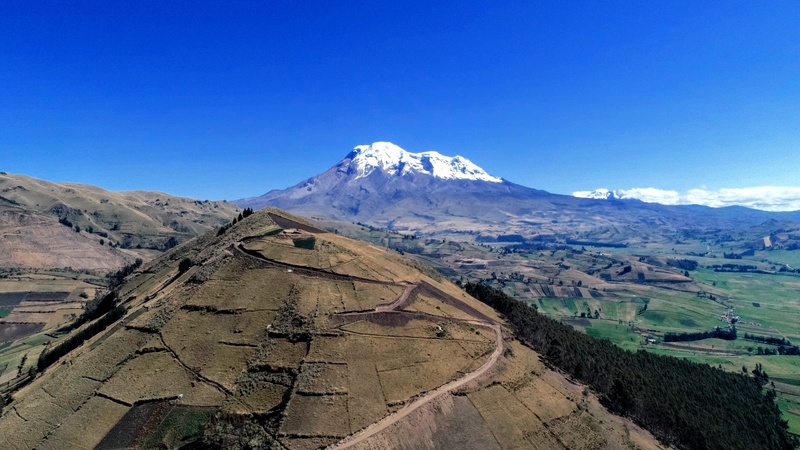
Everest remains the world’s highest mountain when elevation is measured from sea level. Yet the summit of Chimborazo volcano, in Ecuador, is the point on the Earth’s surface farthest from the centre of our planet.
Located in the Ecuadorian Andes, Ecuador’s highest mountain rises to around 6,263 metres above sea level. But its distance from the centre of the Earth reaches 6,384 kilometres, more than two kilometres farther than the summit of Everest.
How is this possible? The Earth is not a perfect sphere: it is slightly flattened at the poles and bulges at the equator. Located almost directly on this line, Chimborazo benefits from this geographical characteristic.
So, when measured from sea level, Everest remains the world’s highest mountain. But measured from the centre of the Earth, Chimborazo holds the record. A particularity that has earned it the description of the point on our planet closest to the stars.
Photos: INAH | Marcos Verdecia | Sébastien Walkowiak | Andrea Huls | Mario Oliveira | Fritz Chavez | Alfonso Sanzone | Turismo Riobamba