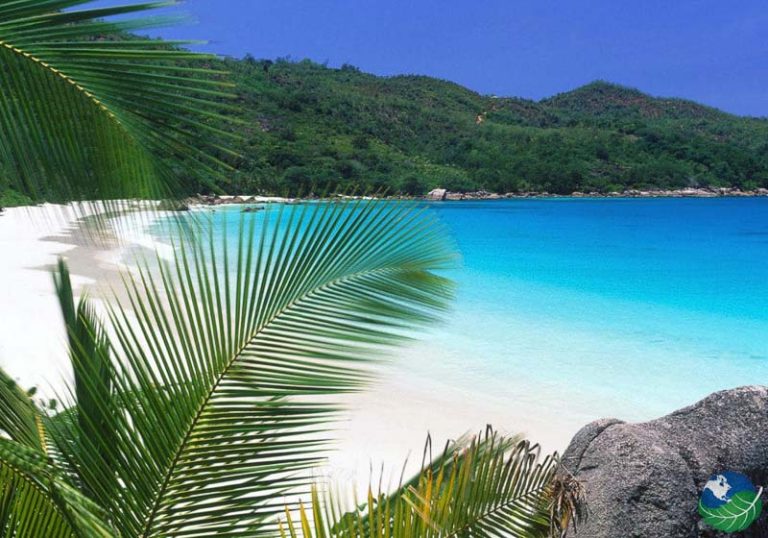
In western Costa Rica, the Nicoya Peninsula stretches between the Pacific and the gulf that bears its name. Travelers first come for its beaches and waves, but just a few kilometers are enough to change the scenery completely. Dry forests, mangroves, villages, fishing communities and protected areas quickly show that Nicoya goes well beyond surf. In some places, the peninsula even takes on the feel of a true Eden, right down to the lifestyles associated with its famous Blue Zone.
A paradise for travelers

On the Pacific side, the setting changes quickly. In the south, Montezuma retains its small beach-facing center, while Santa Teresa and Malpaís have become reference points for surf. Further north, Sámara is organized around a protected bay, while Nosara and Playa Guiones have long combined board sports, yoga and wellness-focused stays.
Between these different points, nature offers some of the peninsula’s most memorable moments. Barra Honda National Park protects a limestone relief crossed by caves, with stalactites and stalagmites formed in ancient coral reefs lifted by tectonic movements. Closer to the coast, coves, protected beaches and mangroves invite visitors to continue exploring away from the busiest areas.
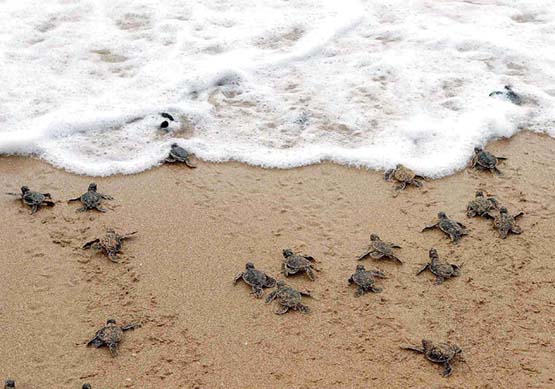
The Ostional National Wildlife Refuge is known for the arribadas, the massive arrivals of olive ridley turtles that come to lay their eggs on the beach. The phenomenon can occur throughout the year, but the largest gatherings generally take place during the rainy season, between June and November, with a particularly favorable period from August onward. It is hard not to be moved by the sight of thousands of turtles reaching the beach in just a few hours. Marino Las Baulas National Park protects several beaches and beautiful mangroves frequented by leatherback turtles.
You may also like: Montezuma: a tropical Eden on the Nicoya Peninsula
The Blue Zone, beyond a label
Nicoya is also known for the quality of life and longevity of its inhabitants. The recognized Blue Zone on the peninsula covers five cantons of Guanacaste: Nicoya, Santa Cruz, Carrillo, Nandayure and Hojancha. It has a particularly high presence of older people who remain active late into their lives.
The explanations put forward point to several habits rather than a single “secret”: a traditional diet based on simple, fresh products, physical activity integrated into daily life, but also family relationships, community ties and the feeling of continuing to have a role. These are all elements that now occupy a growing place in the way Costa Rica approaches wellness tourism.
In Nosara and Santa Teresa in particular, yoga retreats and stays focused on disconnecting have existed for a long time. But wellness there is increasingly presented less through spas or workshops alone, and more in connection with daily rhythm, food and contact with nature.
Our article: Costa Rica places nature at the heart of its wellness tourism strategy
The Gulf of Nicoya, on the community side
On the other side of the peninsula, the atmosphere changes again. The islands, mangroves and villages of the gulf still live largely to the rhythm of fishing. Local initiatives now offer boat excursions, mangrove visits, wildlife watching, meals based on seafood products and rural accommodation.
On Isla Venado, Isla Chira and in coastal communities, several projects are notably led by associations of women and fishers committed to protecting mangroves and promoting responsible fishing. On the water, the gulf can also be explored through snorkeling, diving or wildlife observation around its many islands. It is also an opportunity to discover more discreet coves and sometimes spectacular mangroves, in a part of Nicoya where the pace seems to slow down naturally.
Nicoya is above all discovered through these changes in landscape and rhythm. From the beaches of the Pacific to the caves of Barra Honda, then to the waters of the gulf and the villages of the Blue Zone, a few hours on the road are enough to move from one environment to another. This diversity naturally lends itself to a form of slow tourism, where travelers take more time to stay, cover fewer kilometers and get to know places better.
Surf and wellness remain very present, but they tell only part of this Costa Rican jewel. Nicoya above all offers the freedom to write one’s own adventure in the heart of a fascinating region, between sea, nature and local life.