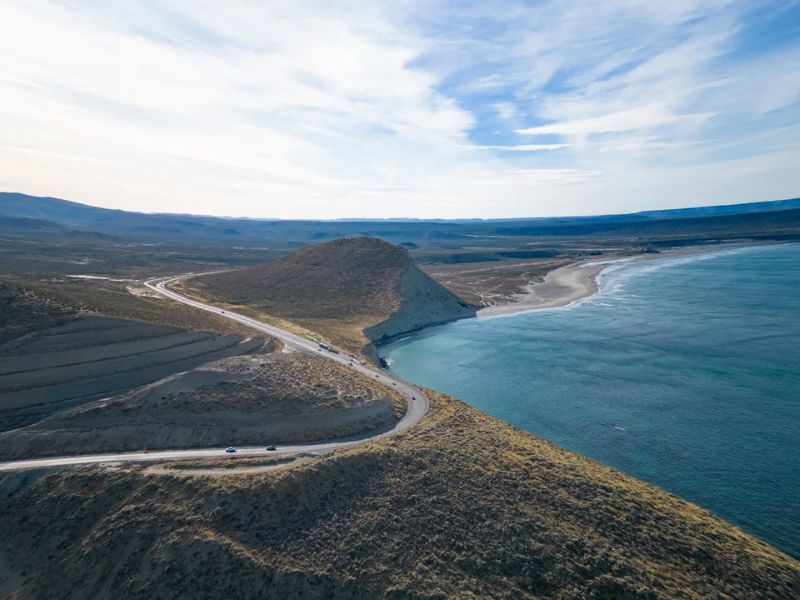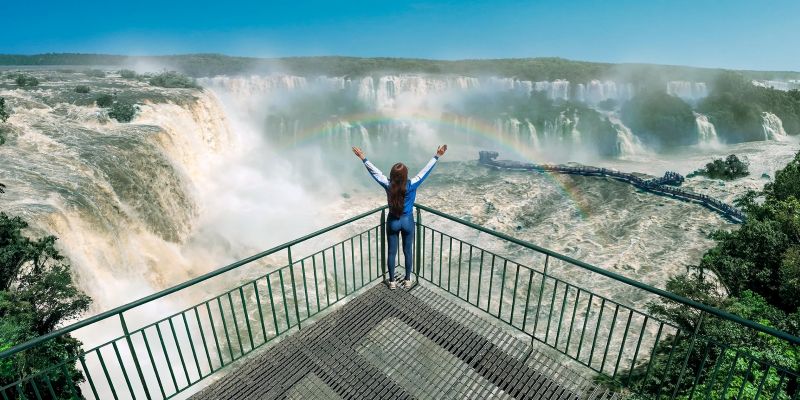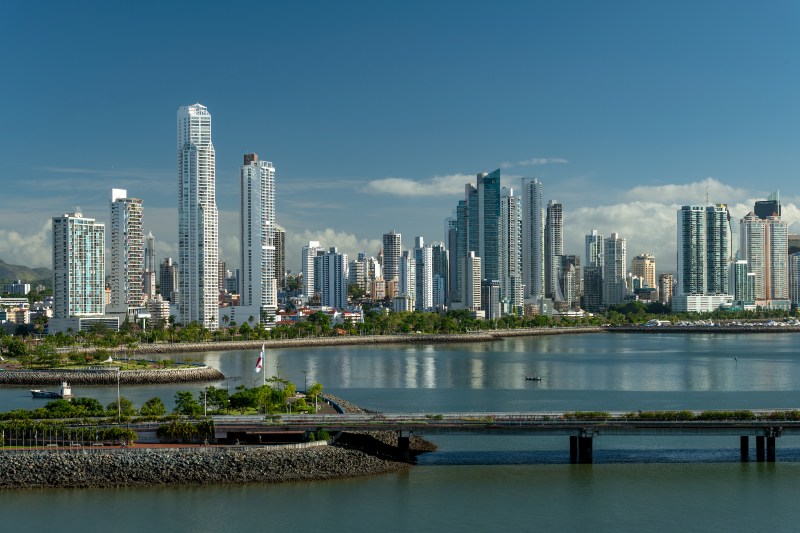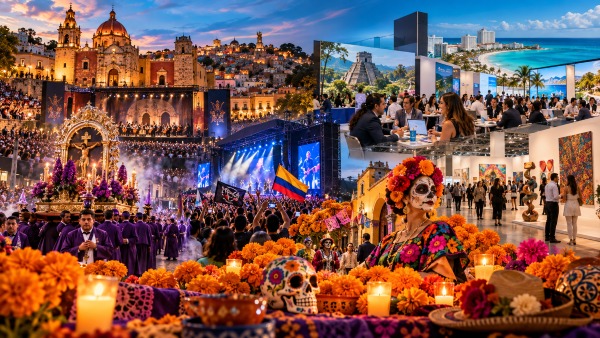


A lagoon that shifts from deep blue to turquoise depending on its depth, a glacier that cracks and breaks away before visitors’ eyes, a high plateau where lakes change from green to red, and Inca ruins accessible only after several days of hiking. This is the image of Latin America drawn by the 2026 edition of “The 51 most beautiful places in the world” published by Time Out.
In this selection, the region stands out not through an accumulation of iconic sites, but through the strength of landscapes where beauty is neither immediately revealed nor static, but unfolds לאורך the journey. Four destinations that move away from the most frequented routes and broaden the perspective toward other territories.
Choquequirao: between trekking and archaeology in the southern Andes
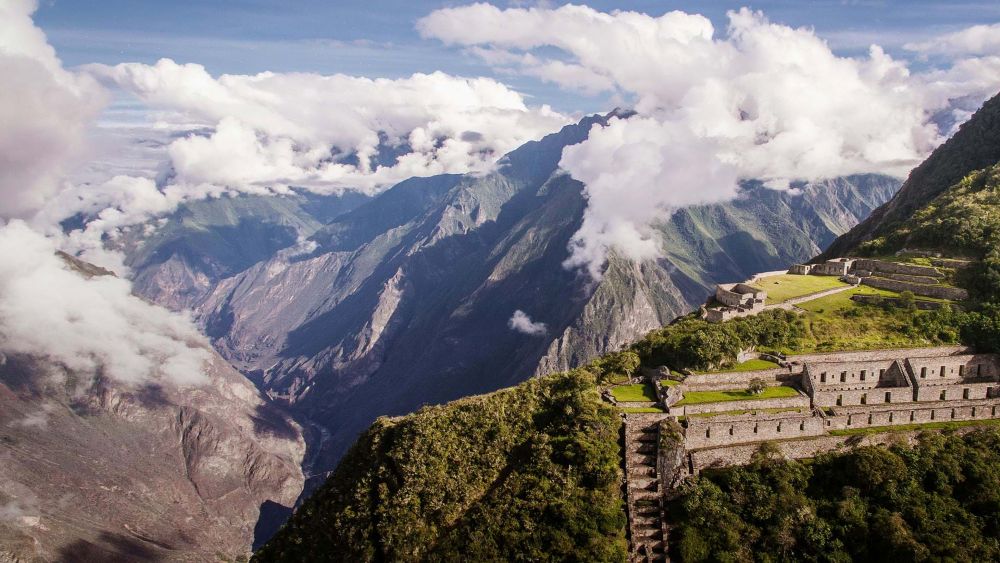
Ranked 15th, Choquequirao (“Cradle of Gold” in Quechua) is often presented as the “sister” of Machu Picchu. Located in a transition zone between the Andes and the Peruvian Amazon, it is surrounded by dense vegetation. Built in the 16th century under the Inca Empire, it unfolds across terraces and structures distributed at different levels of the mountain. Its exact function is not fully established, although it likely played a ceremonial role and served as a link between several key territories in the southern Andes.
A large part of its appeal lies in the fact that only a fraction of the site has been restored, while around 80% remains covered by cloud forest, meaning archaeological research is still ongoing.
For visitors, the experience is inseparable from hiking. The most common route starts in Cachora and requires four to five days round trip, crossing the Apurímac canyon, with steep descents and sustained climbs. Once there, the visit is relatively free, with far fewer visitors compared to other sites in the country.
Some itineraries even extend the experience to Machu Picchu, with treks lasting up to nine days, incorporating other lesser-visited Inca sites.
Bolivian Altiplano: color-shifting lakes in a boundless landscape
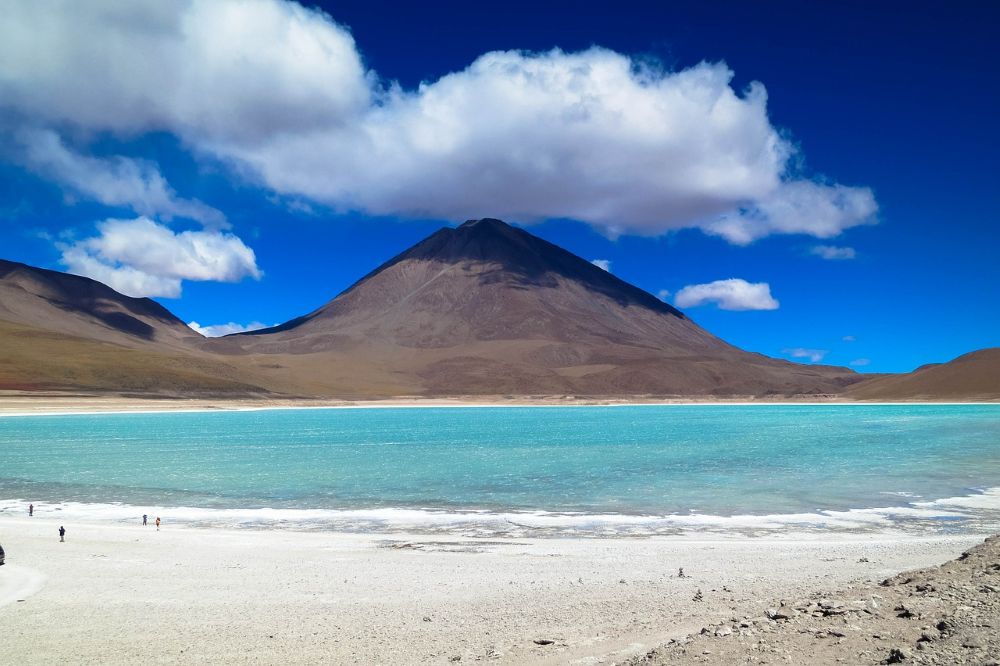
Bolivia appears in the ranking through one of the continent’s most vast and evolving landscapes. Located at over 3,700 meters above sea level and ranked 21st, the Altiplano cannot be understood from a fixed point, but rather through a territory shaped by volcanoes, salt deserts, and mineral-colored lagoons.
Among the most emblematic landscapes are Laguna Verde and Laguna Colorada, whose colors vary with the light, set within a high-altitude desert environment populated by colonies of flamingos. The Salar de Uyuni is its most iconic image: a white surface with hexagonal patterns in the dry season, or a mirror reflecting the sky during the rainy season.
Our article: South Lipez: wonder of the Altiplano
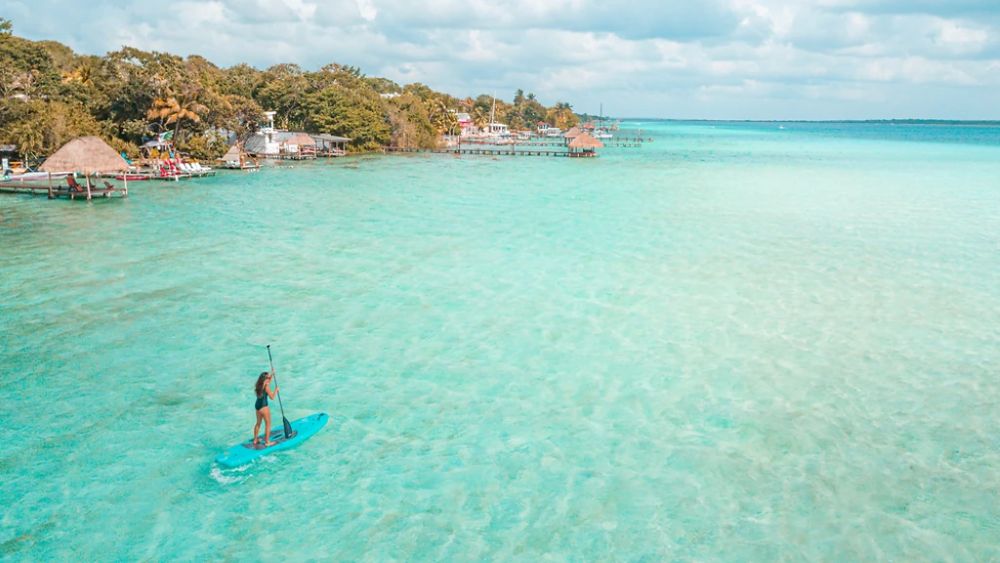
Bacalar: a lagoon with seven moving shades
Located in southern Quintana Roo, Mexico, near the border with Belize, the Bacalar lagoon stretches for nearly 60 kilometers and ranks 31st. Its Mayan name, bakhalal, refers to the reeds surrounding it. Its uniqueness lies in its constant color variations, ranging from blues and greens to turquoises, depending on depth and light.
Exploration is mainly done by boat, with stops at the Pirates’ Channel and Cenote Negro. Visitors can also observe stromatolites—formations created by microorganisms that are among the oldest evidence of life on Earth—whose fragility requires that they not be touched.
The visit can be complemented by Cenote Azul, Los Rápidos—where the current allows visitors to float along—and the San Felipe Fort, which reflects the defensive history of the region.
Perito Moreno Glacier: between ice and steppe in Patagonia
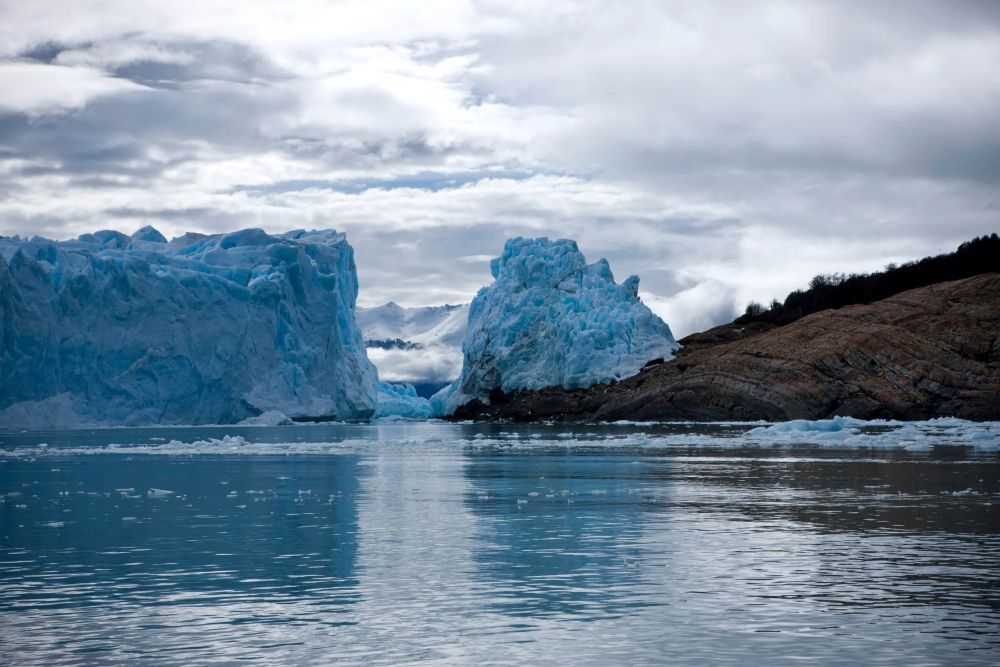
In Los Glaciares National Park, in Argentine Patagonia, the Perito Moreno Glacier appears as a mass of ice constantly advancing over Lake Argentino, one of the few glaciers in the world that is not retreating. The landscape combines ice walls reaching up to 70 meters in height with intensely blue crevasses, contrasting with milky waters and the surrounding mountains.
The experience goes beyond mere observation. Guided excursions allow visitors to walk on the glacier and explore its crevasses and small lagoons. Boat tours also offer a close-up view of the glacier’s face, allowing visitors to appreciate its scale and observe the breaking-off process.
The site ranks 45th in the selection and is also among the nominees for the World Travel Awards 2026 in the category “South America’s Leading Tourist Attraction.”
This selection by Time Out, closer to an experiential reading than a technical ranking, illustrates an evolution in travelers’ expectations. Beyond the most visited destinations, interest is increasingly focused on less obvious places capable of offering, through a landscape or a journey, a more complete understanding of a territory.
Photos: Jose Luis | PROMPERU | D.R | Visit Argentina