For some travelers, choosing a destination remains an open decision; for others, it depends from the outset on a simpler factor: the ability to access it, move around, and enjoy it under suitable conditions. This reality, long considered secondary, is now beginning to have a more direct impact on how destinations position themselves.
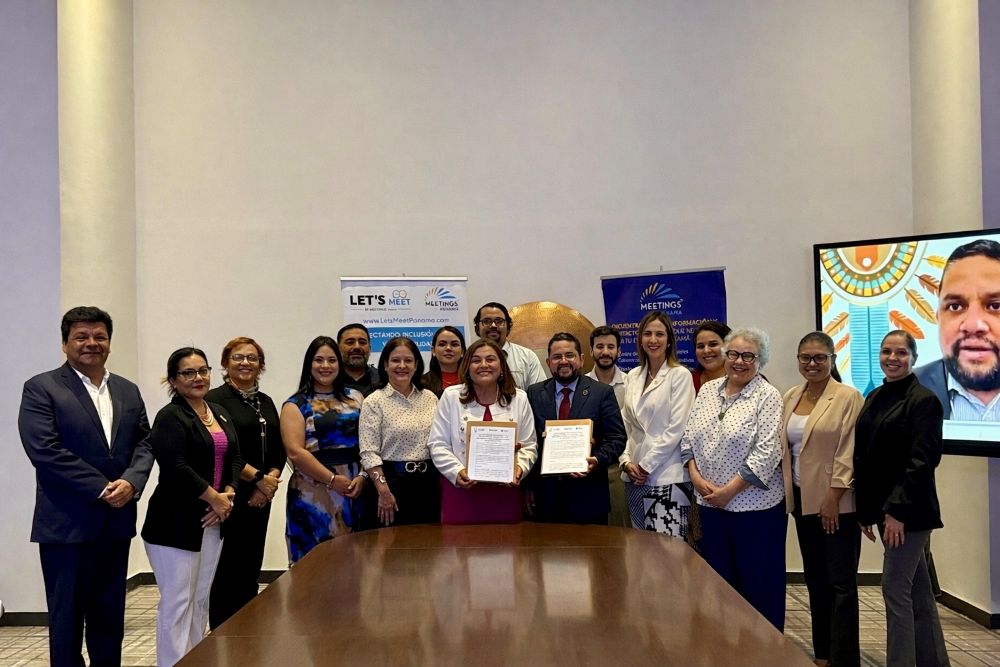
It is in this context that the Central American Tourism Promotion Agency (CATA) and Let’s Meet Panama have signed an agreement aimed at integrating accessibility into regional tourism development, in line with the growing importance of the MICE segment in the country’s strategy.
An agreement aligned with market evolution
Let’s Meet Panama is an initiative linked to the meetings and events sector, working to bring together MICE stakeholders and strengthen Panama’s positioning in this segment. Within this dynamic, the organization has gradually incorporated accessibility into its priorities.
The memorandum of understanding, signed by Boris Iraheta, Secretary General of CATA, and Patricia Puentes, founder and director of the initiative, establishes a working framework to integrate these criteria into the tourism offer in Central America. The objective goes beyond physical adaptations, extending to the design of services and experiences.
The actions include training for professionals, awareness programs, and the development of tools aimed at improving service quality. This is complemented by the exchange of best practices between countries, with the goal of strengthening the consistency of the regional offer.
Panama as an anchor point
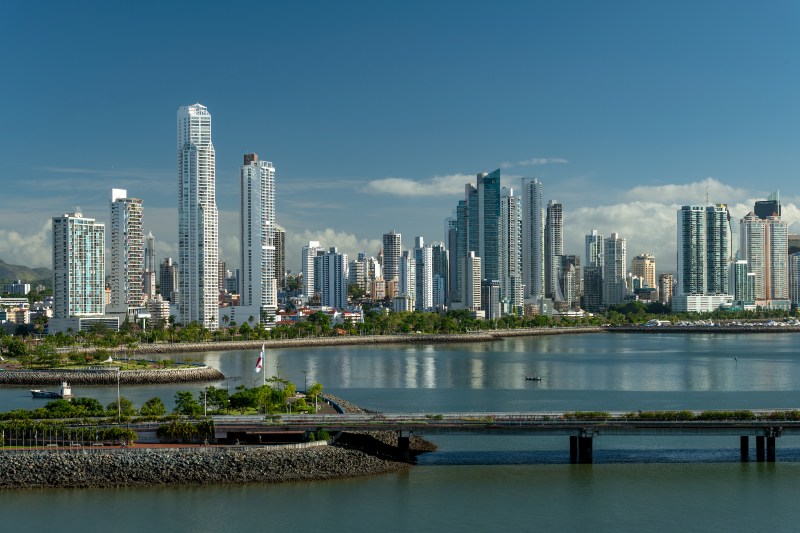
The agreement comes as Panama refines its positioning toward higher-value tourism. By 2026, the country expects to welcome between 3.1 and 3.2 million international visitors, after surpassing 3 million in 2025, with the goal of increasing average spending and length of stay.
In this context, MICE tourism is emerging as one of the main drivers of sector growth, supported by the country’s air connectivity and infrastructure. The integration of accessibility criteria fits into this strategy by broadening visitor profiles and strengthening the destination’s appeal.
The approach is also based on a simple idea: these standards should not remain limited to a single country, but be replicable across the region—and even beyond—by aligning with international standards and expectations.
What accessible tourism entails
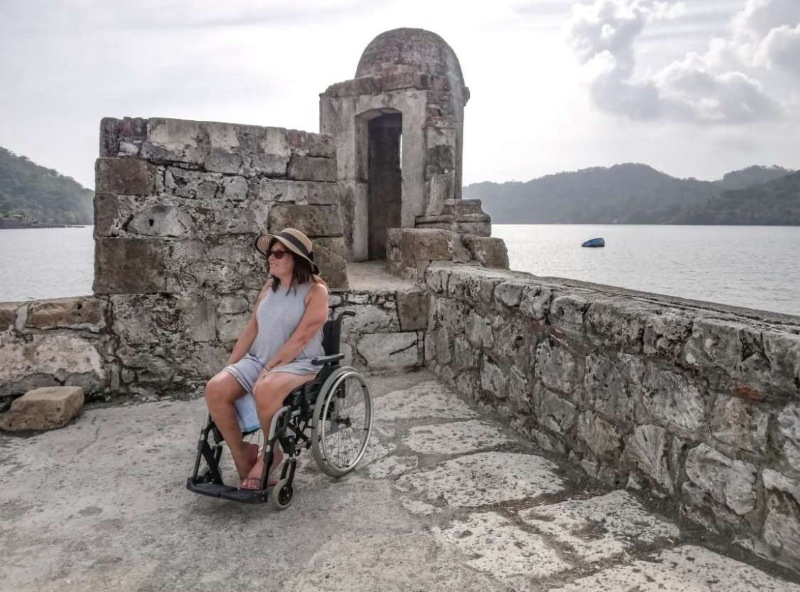
Accessible tourism goes beyond removing physical barriers. It also involves adapting communication, services, and hospitality to enable a wider range of people to access the experiences offered.
The scale of the market explains the growing attention to this topic. According to the World Health Organization, around 1.3 billion people (nearly 16% of the global population) live with a significant level of disability. In addition, population aging is expanding this segment further: according to the United Nations Department of Economic and Social Affairs, nearly half of people over 60 are affected.
Beyond the social dimension, the economic impact is also significant. These travelers often travel accompanied—between two and three people on average—and in many markets have strong purchasing power.
The regional scope of the agreement reinforces the goal of positioning Central America as a combined destination. Integrating these criteria aims to ensure continuity not only in connectivity between countries, but also in the quality of hospitality and overall experience. In a context where sustainability and responsibility are gaining importance, these issues are increasingly becoming an integral part of the tourism offer.
Photos: CATA | Visit Panama