After Mexico City and Guadalajara, the final stop in this series dedicated to the Latin American host cities of the 2026 World Cup takes us to Monterrey. Travelers coming to attend one of the four matches at BBVA Stadium, nicknamed the Steel Giant, will discover a city that offers a different perspective on Mexico: shaped by imposing mountains, industry, and a culinary culture where meat takes center stage.
Beyond football, Monterrey is a modern and dynamic city that combines former steel complexes transformed into urban parks, historic neighborhoods that have become trendy, and natural areas accessible just minutes from downtown.
Between downtown and the former steelworks
For an effective introduction to Monterrey’s history and identity, the route begins at Macroplaza, one of the largest urban squares in the world, home to the Metropolitan Cathedral, the Government Palace, and the Faro del Comercio, designed by Mexican architect Luis Barragán.
From there begins the Paseo Santa Lucía, a 2.5-kilometer artificial canal that can be explored on foot or by boat. Bridges, gardens, fountains, and sculptures accompany the walk to Fundidora Park, one of the most representative examples of Monterrey’s urban transformation.
The park occupies the grounds of the former Compañía Fundidora de Fierro y Acero de Monterrey, which for much of the 20th century was one of the most important steel complexes in Latin America. Today, its metallic structures and former industrial buildings are integrated into a vast recreational space with cycling paths, museums, green areas, and cultural venues. Inside the park, the Horno 3 Steel Museum allows visitors to climb an old blast furnace and admire the city skyline.
Barrio Antiguo and Monterrey’s nightlife
One of the most representative sectors of the historic center, Barrio Antiguo preserves its original façades, inner courtyards visible from the street, and several 18th- and 19th-century mansions now occupied by galleries, cafés, bars, and cultural spaces.
Among the interesting stops is the antique market on Raymundo Jardón Street, where objects from different eras are displayed on sidewalks and inside small shops. Just a few steps away are the Casa de los Títeres, dedicated to puppet theater, and the State Museum of Popular Cultures, featuring handicrafts, textiles, and traditional objects.
At the end of the day, Barrio Antiguo changes rhythm. Terraces fill up, music takes over, and the streets attract a wider crowd. Mariachi is present, but the sound that best defines the evenings remains banda sinaloense, deeply rooted in the region’s cultural identity.
Our article: Ranchera Music: Symphony of the Mexican Soul
The taste of the North: cabrito, machaca, and carne asada
Monterrey’s gastronomy is inseparable from its dry climate, livestock tradition, and a culinary culture where meat plays a central role. Cabrito, roasted young goat, remains the city’s signature dish. Slowly cooked until tender and aromatic, it is often served whole in restaurants that have made it their specialty, such as the iconic El Rey del Cabrito.
At breakfast, machaca con huevo stands out as a classic of northern Mexico. Prepared with dried and shredded beef mixed with eggs, it can be found both in popular eateries and on family tables.
Then comes carne asada, especially present on weekends and during celebrations. Around the grill, people share cuts of beef, tortillas, and a few simple side dishes. In Monterrey, this cuisine is straightforward: generous, convivial, and without unnecessary staging.
Nature just minutes away: Chipinque and Cerro de la Silla
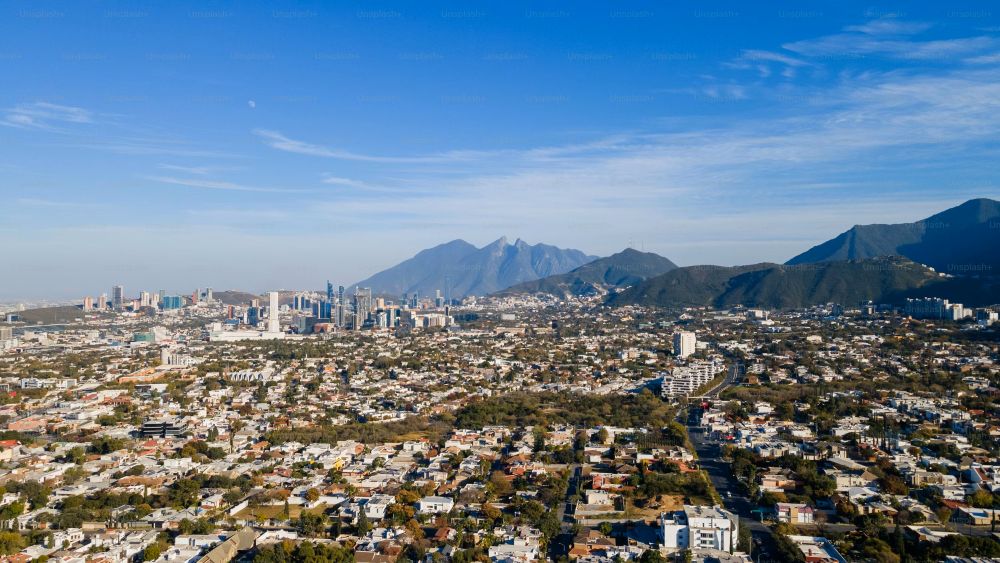
As soon as the urban axis is left behind, the landscape changes quickly. The mountains of the Sierra Madre Oriental appear and lead to one of Monterrey’s main natural gateways: Chipinque Ecological Park.
The road climbs through forested areas to this protected space of more than 1,600 hectares, only part of which is open to the public, while the rest is dedicated to ecosystem conservation. The trails are marked with interpretive signs and viewpoints that help explain how the landscape evolves with altitude, between approximately 800 and 2,200 meters above sea level.
This variation explains the park’s biodiversity, where migratory species can be observed, including monarch butterflies during their annual migration, as well as coatis, gray foxes, squirrels, and numerous species linked to the mountain ecosystems of northeastern Mexico.
Throughout the ascent, openings in the vegetation reveal views over the Monterrey valley. Cerro de la Silla, the city’s most recognizable silhouette, remains almost constantly in sight.
Monterrey, the capital of Nuevo León, closes this series and reminds us that Mexico is a vast country that cannot be reduced to a single identity. Here, the experience feels more direct, less expected. Match days will provide the momentum, and then the rest will follow: the feeling of discovering a country far from the usual images, yet capable of leaving a lasting impression on those who take the time to explore it.
Discover the other articles in our series dedicated to the Mexican cities hosting the 2026 World Cup:
Mexico City during the 2026 World Cup: what to see between matches
Guadalajara during the 2026 World Cup: what to see between matches
Photos: Daniel G Valdivia | Peter Potrowl